
Quick Answer: How to Report Price Gouging
⚖️ Facing Damages or Unreturned Funds Under $25,000?
Check your state small claims court dollar ceiling, statutes of limitations, and attorney representation rules.
How Do I Report Price Gouging?
You can report price gouging directly to your state attorney general’s office, as state laws regulate pricing during declared emergencies. Submit a consumer complaint detailing the inflated prices of essential goods like water, fuel, or medical supplies. The Federal Trade Commission (FTC) also tracks national trends regarding deceptive pricing.
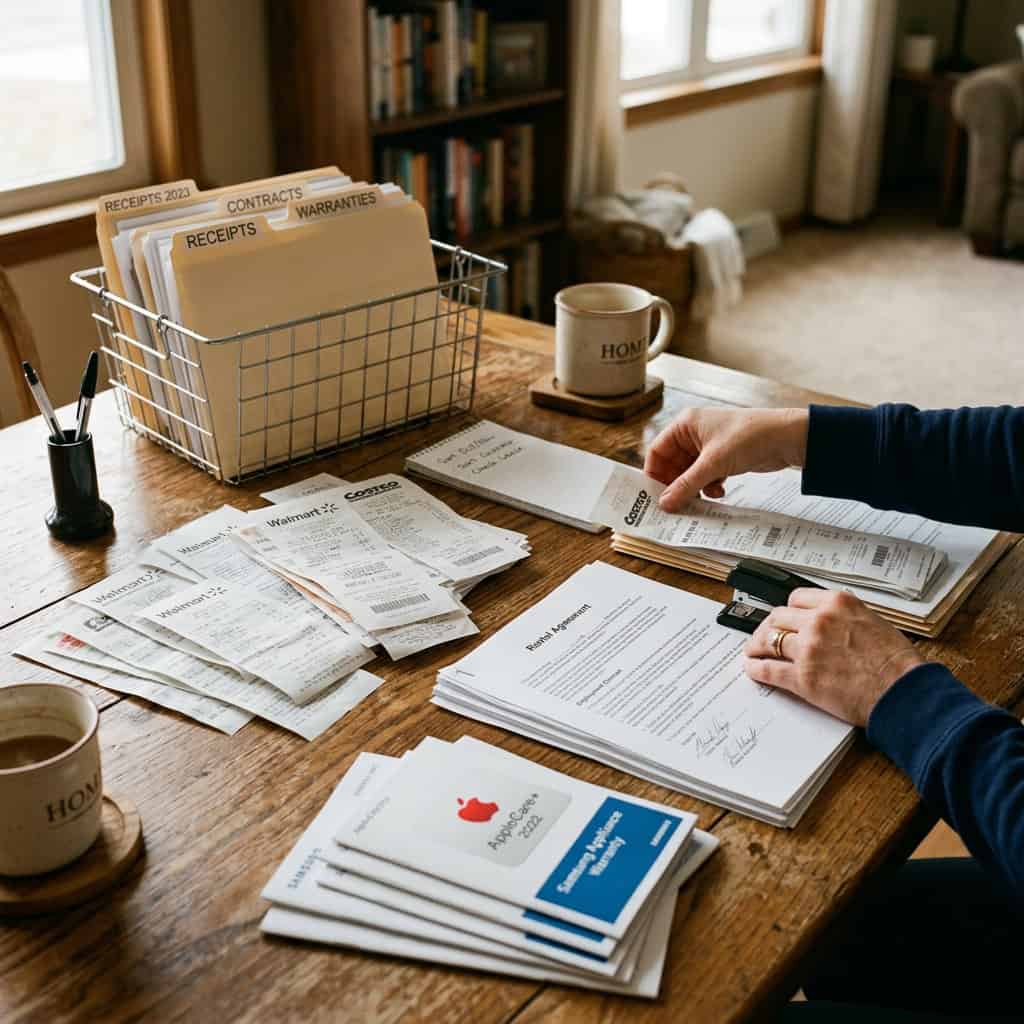
- Gather Evidence: Take photos of the price tags, keep your receipts, and record the store’s exact name and location.
- File Your Report: Submit a complaint through your state attorney general’s website or call their consumer protection hotline.
- Follow Up: Keep your records safe, as state investigators may contact you if they launch a formal legal action.
If a merchant or online seller aggressively hiked prices on gasoline, groceries, bottled water, hotel rooms, or building supplies during a state of emergency: immediately save your receipt and take a photo of the price display. In most states, price gouging statutes prohibit price increases exceeding 10% to 25% above baseline pre-emergency prices.
File an official complaint with your State Attorney General Consumer Protection Division, which holds statutory subpoena authority and can impose civil penalties up to $10,000 per violation. Simultaneously report online platform gouging to the marketplace operator (Amazon, eBay) and the National Center for Disaster Fraud (NCDF) at 1-866-720-5721.
During a natural disaster, a pandemic, or a severe supply chain disruption, panicked consumers rush to buy essential goods like water, gasoline, and medicine. Unscrupulous businesses exploit this desperation by artificially inflating prices—sometimes doubling or tripling them overnight.
While capitalism allows businesses to set their own prices, exploiting a disaster crosses the line into illegal price gouging. Most states have strict statutes that mathematically cap price increases during a declared emergency (usually at 10% above the pre-emergency price). State Attorneys General aggressively prosecute these cases, but they rely entirely on consumer reports to identify the offending businesses.
If a gas station raises its price by 30%, it is not automatically price gouging. If the station’s wholesale distributor raised their prices by 30%, the station is legally allowed to pass that cost onto you. Gouging only occurs when the business arbitrarily inflates their profit margin during an emergency.
Understanding Price Gouging: What Violates the Law
To successfully report a business, you need to understand exactly what qualifies as illegal gouging in the eyes of the law.
The Price Gouging Typology
1. Essential Goods Exploitation
A hardware store normally sells generators for $500. After a hurricane knocks out the power grid, they put a sharpie over the price tag and charge $1,500.
2. Lodging Gouging
During a mandatory wildfire evacuation, a local motel raises its nightly rate from $89 to $350, exploiting families fleeing the danger zone.
3. Service Gouging (Contractors)
An unlicensed “storm chaser” knocks on your door after a flood and demands $10,000 to pump the water out of your basement—a job that normally costs $1,500.
4. Online Marketplace Hoarding
A third-party seller buys all the hand sanitizer at local stores and resells it on Amazon for a 500% markup during a pandemic.
Where to Report: The Enforcement Jurisdiction Breakdown
Because price gouging is a state-level crime, the federal government generally does not get involved unless it crosses state lines.
Price Gouging Enforcement Matrix
4-Stage Price Gouging Evidence & Restitution Workflow
Photograph price tag, pump meter, shelf tag, or checkout screen showing date, time, and store location.
Verify that a state or federal emergency declaration was active in your county on the date of purchase.
Submit online complaint with receipts to State Attorney General to trigger state subpoena of merchant invoices.
Send formal pre-litigation demand letter for restitution of excess charges plus statutory DTPA damages.
Step-by-Step Guide to Filing Your Complaint
Do not rely on verbal complaints. The Attorney General cannot prosecute a business without hard evidence.
Step 1: Secure the Evidence
Take a photograph of the price tag on the shelf. If you bought the item, keep the physical receipt. The receipt must show the date, the store’s name, the item purchased, and the final price paid. If the store refuses to give you a receipt, write down the address and the name of the cashier.
Step 2: Send a Formal Demand for Refund
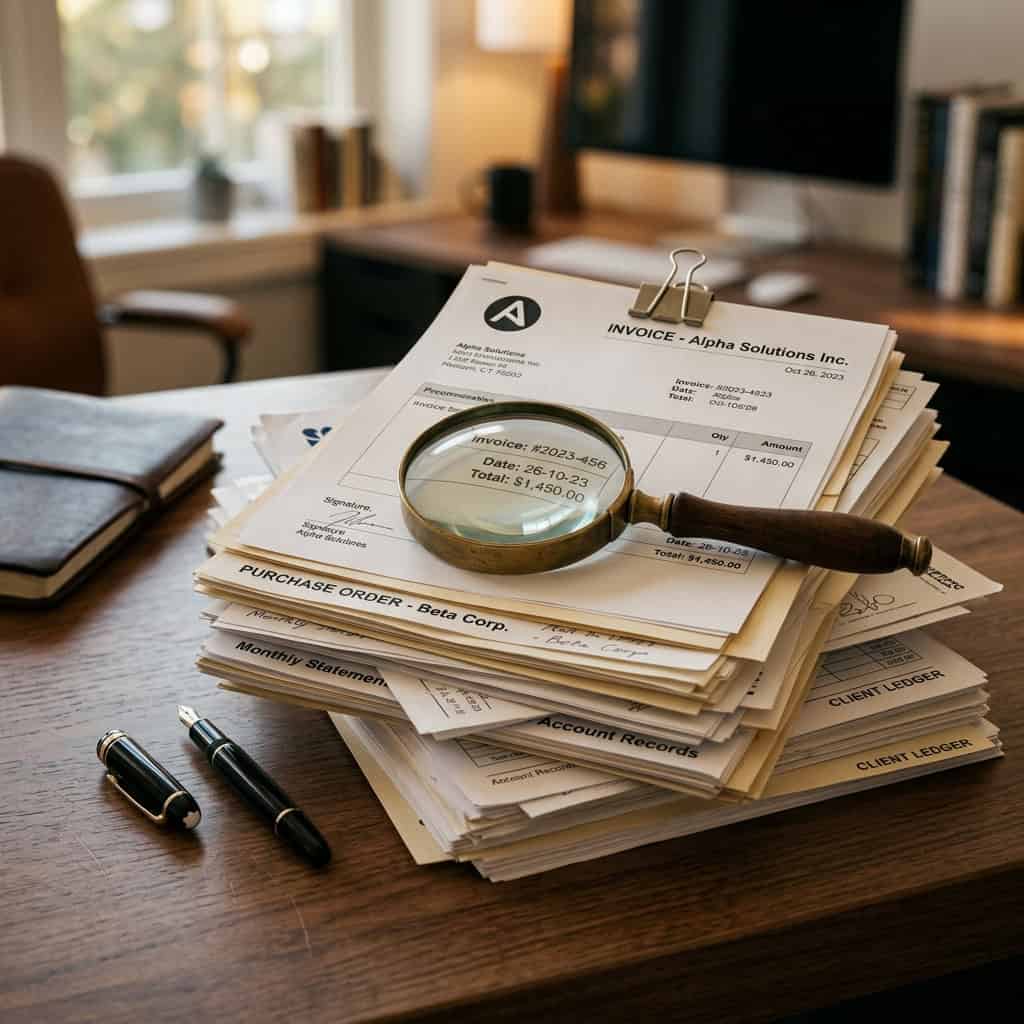
Send a written demand to the business owner demanding a refund for the illegal upcharge. This creates a paper trail proving the business was aware of the violation and refused to correct it, which the Attorney General will use against them. Use the template provided below.

Step 3: File with the Attorney General
Go to your State Attorney General’s website. During a disaster, they almost always set up a dedicated “Price Gouging Hotline” or a specific online complaint form. Upload your receipt, the photos, and a copy of your demand letter.

Step 4: Report Online Gouging
If you see a $50 bottle of water on Amazon, do not buy it. Click the “Report incorrect product information” or “Report abuse” button on the listing. Amazon uses automated bots to flag extreme price deviations, but user reports prioritize the review.
To establish a legal paper trail, you must send this letter to the business owner via Certified Mail. If they ignore it, hand it over to the Attorney General.
[Date]
VIA CERTIFIED MAIL RETURN RECEIPT REQUESTED
To: Management / Owner, [Business Name]
Address: [Business Address]
RE: Demand for Refund Regarding Illegal Price Gouging / Receipt #[Insert Number]
Dear Management,
I am writing to formally demand a refund for an illegal upcharge related to a purchase made at your establishment on [Date].
During an active, declared State of Emergency, I purchased [Item, e.g., 2 cases of bottled water] from your store. I was charged [$ Amount]. This price represents a markup of more than [X]% over the average price charged for this item during the 30 days prior to the emergency declaration.
Under [Your State’s name] Consumer Protection statutes, it is unlawful for a business to exploit a declared emergency by charging excessive and unconscionable prices for essential goods. This constitutes illegal price gouging.
I am demanding a refund of the overcharge amount of [$ Amount] within ten (10) days.
If this matter is not resolved, I will forward my receipt, photographic evidence, and this demand letter directly to the Consumer Protection Division of the State Attorney General for formal prosecution and civil penalties.
Sincerely,
[Your Printed Name]
[Your Signature]
[Your Phone Number]
Common Myths vs. Legal Realities About Price Gouging
Many consumers misunderstand how pricing laws actually work during a crisis.
Myth vs. Fact
“The gas station raised their prices by 50 cents overnight. They are illegally price gouging.”
If there is no declared State of Emergency, price gouging laws do not apply. Additionally, if the global price of crude oil spiked and the station’s supplier raised their wholesale costs, the station is legally allowed to raise the retail price.
“Price gouging applies to everything sold in the store during a disaster.”
Gouging laws strictly apply to “essential goods and services” needed to survive the emergency (water, food, medicine, gas, generators, lodging). If a store triples the price of luxury watches during a hurricane, it is not illegal.
SENT VIA USPS CERTIFIED MAIL & HAND DELIVERY
RETURN RECEIPT REQUESTED: [Tracking Number]
To: [Merchant / Retail Business Legal Name]
Attn: Store Manager / Corporate Compliance Division
[Store Address]
[City, State, ZIP]
RE: FORMAL STATUTORY NOTICE OF UNLAWFUL PRICE GOUGING & RESTITUTION DEMAND
Customer Name: [Your Full Legal Name]
Transaction Date & Time: [MM/DD/YYYY at HH:MM AM/PM]
Store Location / Register #: [Store # / Location]
Receipt / Transaction Number: [Receipt #]
Official State of Emergency Declaration: [Name of Declared Emergency, e.g., Hurricane / Severe Storm / Pandemic]
Dear Store Manager / Corporate Officers:
Please accept this formal written notice pursuant to state price gouging statutes and the Deceptive Trade Practices Act regarding unlawful, excessive price increases charged to me for essential consumer goods during a legally declared state of emergency.
FACTUAL ITEMIZATION OF PRICE GOUGING VIOLATION:
1. COMMODITY PURCHASED: On [Date], I purchased [Item description, e.g., 24-pack Bottled Water / Generator / Gallon of Unleaded Fuel / Plywood] at your retail location.
2. DISPROPORTIONATE PRICE SPIKE: Your store billed $[Price Charged] per unit. Prior to the declared state of emergency, the standard baseline market price for this identical commodity was approximately $[Baseline Pre-Emergency Price], representing an unconscionable price increase of [Percentage, e.g., 140]%.
3. STATUTORY THRESHOLD EXCEEDED: Under state emergency statutes, price increases exceeding [Statutory Cap, e.g., 10%] during a declared emergency are strictly unlawful unless justified by verified increased wholesale costs.
FORMAL SETTLEMENT & RESTITUTION DEMAND:
I hereby demand full restitution of the unlawful overcharge in the amount of $[Overcharge Amount], payable via business check or refund to my original payment card within ten (10) business days.
REGULATORY ESCALATION NOTICE:
Please be advised that state price gouging statutes authorize the State Attorney General to seek civil penalties up to $[Penalty Amount, e.g., $10,000 to $25,000] per violation, as well as permanent injunctions. If full restitution is not received within ten (10) business days, I will transmit a full evidentiary dossier—including original receipt copies and date-stamped photographs—to the Consumer Protection Division of the State Attorney General and initiate action in Small Claims Court.
Sincerely,
_________________________________________
[Your Signature]
[Your Printed Legal Name]
[Your Address]
Telephone: [Your Phone Number]
Email: [Your Email Address]
Frequently Asked Questions
Does my state have a price gouging law?
The vast majority of states (39 out of 50) have dedicated price gouging statutes. States that do not have specific gouging laws (like Washington or Nevada) will often prosecute the behavior under broader “Deceptive Trade Practices” acts.
Can I sue the store myself?
In a few states (like Florida), the law allows for a “Private Right of Action,” meaning you can personally sue the business in civil court. However, in most states, only the Attorney General has the authority to prosecute price gouging.
What if I report them but they just blame their supplier?
Report them anyway. When the Attorney General receives the complaint, they will subpoena the store’s wholesale invoices. If the store proves the supplier raised the price, the AG will simply trace it up the supply chain and prosecute the wholesale supplier instead.
- National Association of Attorneys General: Directory to find your state’s Attorney General website to access the specific Price Gouging complaint portal. — Find My AG
- National Conference of State Legislatures: A complete database of price gouging statutes and mathematical caps for all 50 states. — NCSL Price Gouging Laws
Before You Go: Citizen Protection Protocol
Protecting yourself against unlawful practices requires swift action, methodical documentation, and strict adherence to statutory deadlines. Preserve all original agreements, maintain contemporaneous call notes, and send formal correspondence via certified mail with return receipt requested.
HowToReport.org is an independent educational site — not a government agency. We link to official .gov and .org sources, but we cannot file a complaint for you or give legal advice. Read our full Legal Disclaimer & Safe Harbor →
Damages Under ,000? Check Your State Small Claims Limit
If administrative complaints fail to recover your financial losses, you can sue in local small claims court without expensive attorney fees. Select your state below for instant dollar limits and statutory deadlines:
Related Statutory Reporting Guides & Citizen Protections
Official step-by-step reporting protocols in this regulatory category.


What happens next
- Most agencies send an acknowledgment or reference number — save it with your copies.
- Investigations vary by agency; complex cases can take weeks or months.
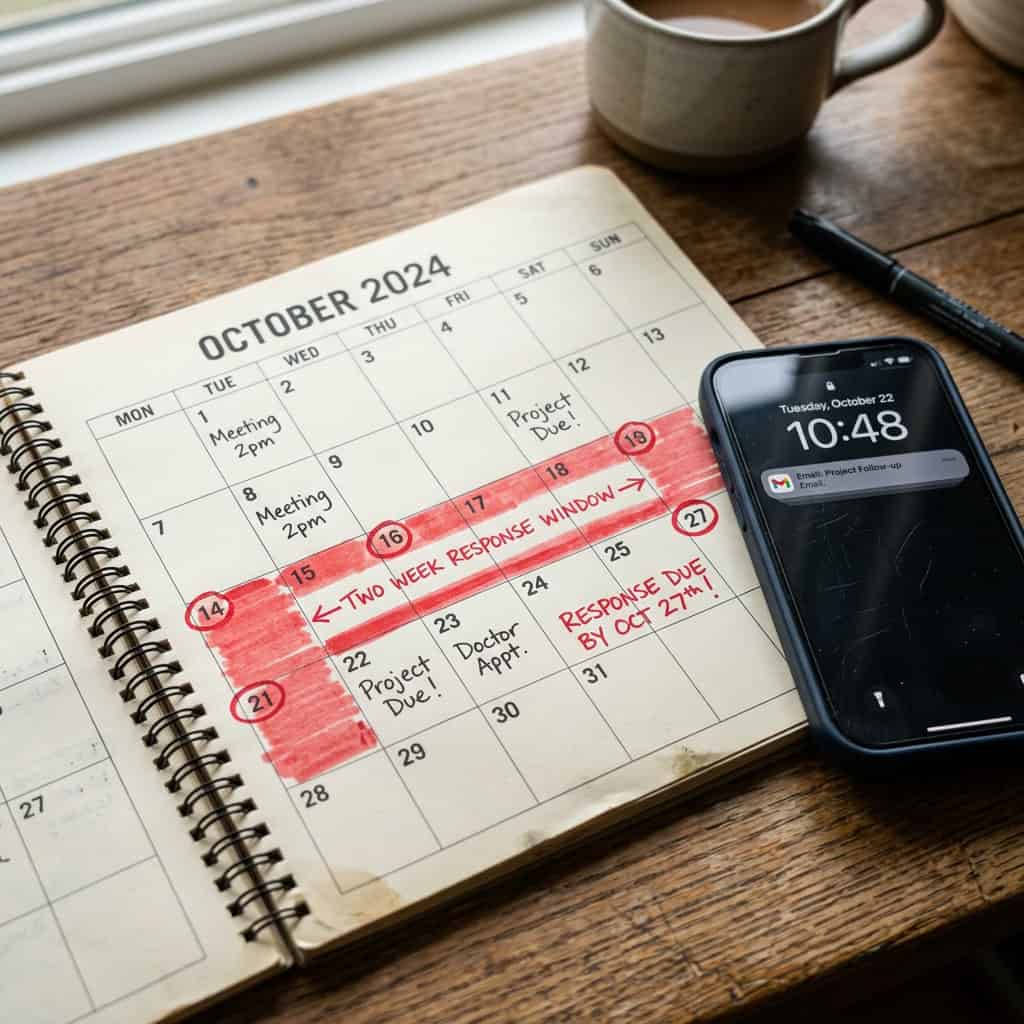
- If you do not hear back within the timeframe listed on the agency site, follow up in writing.
- Keep reporting to additional agencies if your issue crosses categories (for example, fraud plus billing).
1 thought on “How to Report Price Gouging: Stop Illegal Price Hikes & AG Guide”