
⚡ Quick Answer: How to Complain About a Car Repair Shop
- Immediate Action / Statutory Deadline: Demand return of replaced parts, pay disputed charges “under protest” to secure vehicle release, and file FCBA credit card disputes within 60 days.
- Primary Regulatory Agency: State Bureau of Automotive Repair (BAR), State Consumer Protection Division, and State Attorney General.
- Statutory / Legal Remedy: Invalidation of unauthorized charges, civil penalties under state Automotive Repair Acts, and Small Claims Court restitution up to $25,000.
⚖️ Facing Damages or Unreturned Funds Under $25,000?
Check your state small claims court dollar ceiling, statutes of limitations, and attorney representation rules.
How Do I Complain About a Car Repair Shop?
File a complaint against an auto repair shop with your state attorney general’s consumer protection division or the local department of motor vehicles. Report unauthorized repairs, severe overcharging, or failure to honor warranties. State regulators can investigate deceptive practices, issue citations, and sometimes help mediate financial restitution for affected vehicle owners.
- Gather Evidence: Keep copies of the original written estimate, final invoice, diagnostic reports, and photographs of the disputed repair work.
- File Your Report: Submit a formal consumer complaint through your state attorney general’s website or contact the bureau of automotive repair directly.
- Follow Up: Consider filing a claim in small claims court if the state mediation process fails to recover your financial losses.
When an auto mechanic performs unauthorized repairs, inflates estimates, installs substandard parts, or fails to fix a critical mechanical defect, vehicle owners often feel trapped. Knowing how to complain about a car repair shop methodically allows you to reclaim your vehicle without surrendering your legal rights, dispute unlawful charges, and hold dishonest garages accountable before state regulatory licensing boards. Auto shops frequently intimidate customers by threatening mechanic’s liens, claiming they have the legal right to seize vehicles if inflated bills remain unpaid.
Every state enforces strict consumer protection statutes governing automotive repair dealers. Under state Automotive Repair Acts (such as California Business and Professions Code § 9884.9 or Florida Statutes § 559.905), auto repair facilities are legally prohibited from commencing diagnostic teardown or repairs without providing a written itemized estimate and obtaining prior customer authorization. Repairs conducted without express authorization are legally unenforceable, and the shop cannot demand payment. This guide provides the complete playbook: mechanic’s lien avoidance, parts preservation protocols, state licensing complaints, credit card chargeback disputes, and a formal pre-suit demand letter.
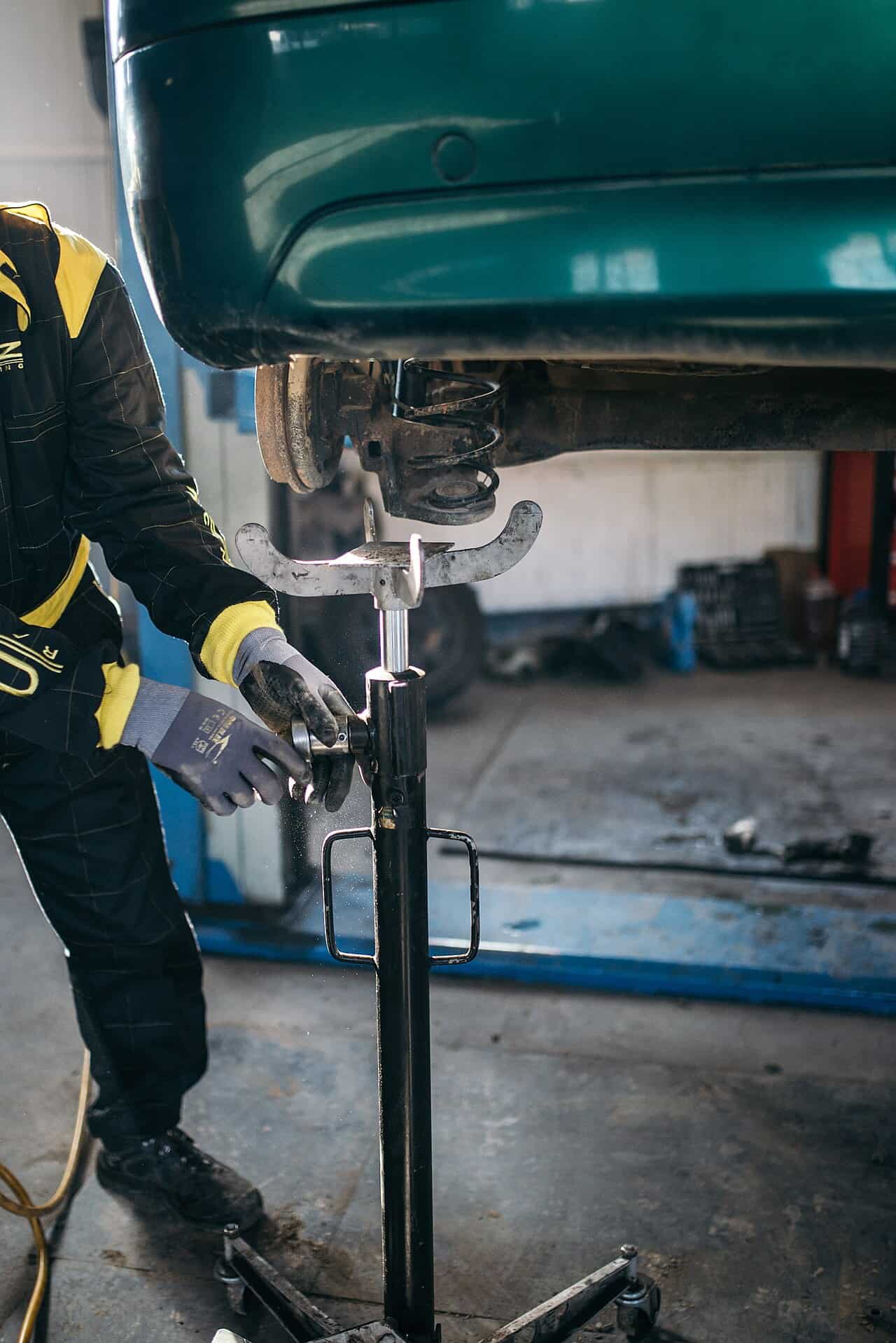
Common Automotive Repair Violations and Illegal Practices
State motor vehicle repair regulations require automotive repair dealers (ARDs) to operate with strict transparency. Recognizing statutory violations provides immediate legal leverage.
Hallmark Automotive Repair Violations
- Exceeding the Written Estimate Without Consent: State laws mandate that a shop cannot charge more than the written estimate without obtaining verbal or written consent first. If an estimate was $500 and the shop hands you a bill for $1,200 without documented authorization, the additional $700 is legally uncollectible.
- Refusing to Return Replaced Parts: Under state consumer codes, vehicle owners have the legal right to demand the return of all replaced parts (e.g., water pumps, alternators, brake pads, suspension components). If a shop refuses or claims parts were “discarded,” it often indicates the work was never performed.
- Bait-and-Switch Diagnostic Teardown: Garages quote a low “$89 diagnostic fee,” disassemble the transmission or engine, and then demand $2,500 to reassemble the vehicle, holding the car hostage.
- Charging for Work Not Performed or Replaced: Billing for new Original Equipment Manufacturer (OEM) parts while installing used salvage components, or billing for labor hours never executed.
- Operating Without a Valid State License: In many jurisdictions, automotive repair shops must be registered with a state regulatory licensing board. Operating without a valid license strips the business of the right to assert a mechanic’s lien.

Step 1: Securing Vehicle Release and Avoiding Mechanic’s Liens
The most pressing challenge consumers face is retrieving their vehicle. Repair shops hold a statutory “possessory lien” allowing them to retain physical possession of a car until repair bills are satisfied. Leaving your vehicle at the shop leads to compounding daily storage fees ($50 to $150 per day) and the risk of a lien sale.
How to Safely Retrieve Your Vehicle
- Pay Under Protest: Never pay with cash or a debit card. Pay the disputed total using a major credit card. Write clearly on the face of the repair invoice, credit card receipt, and electronic signature pad: “PAID UNDER PROTEST – DISPUTED REPAIR CHARGES.”
- Secure Immediate Physical Release: Once payment is accepted, demand the vehicle keys and immediate possession of the automobile. Ensure you receive the final signed itemized work order and invoice.
- Demand Replaced Parts on the Work Order: State before paying that you require all old, replaced parts placed in boxes in your trunk. Photograph the parts immediately.
- File an FCBA Credit Card Billing Dispute: Under the Fair Credit Billing Act (FCBA, 15 U.S.C. § 1666) and the special rules for claims and defenses (12 CFR § 1026.12(c)), you have the right to withhold payment to your credit card issuer for property or services purchased that are defective or not delivered as agreed. Submit your written dispute within 60 calendar days.
Auto Repair Dispute and Recovery Roadmap
Stage 1: Vehicle Release
Demand replaced parts, endorse invoice “Paid Under Protest”, and pay via credit card to eliminate storage liens.
Stage 2: Independent Inspection
Transport car to an ASE-certified mechanic or dealership to perform forensic diagnostic evaluation of parts and labor.
Stage 3: Regulatory Filing
Submit formal complaint to the state Bureau of Automotive Repair (BAR) or State Attorney General Consumer Division.
Stage 4: Small Claims Action
Issue formal pre-suit certified demand letter; file in Small Claims Court for refund, statutory damages, and costs.
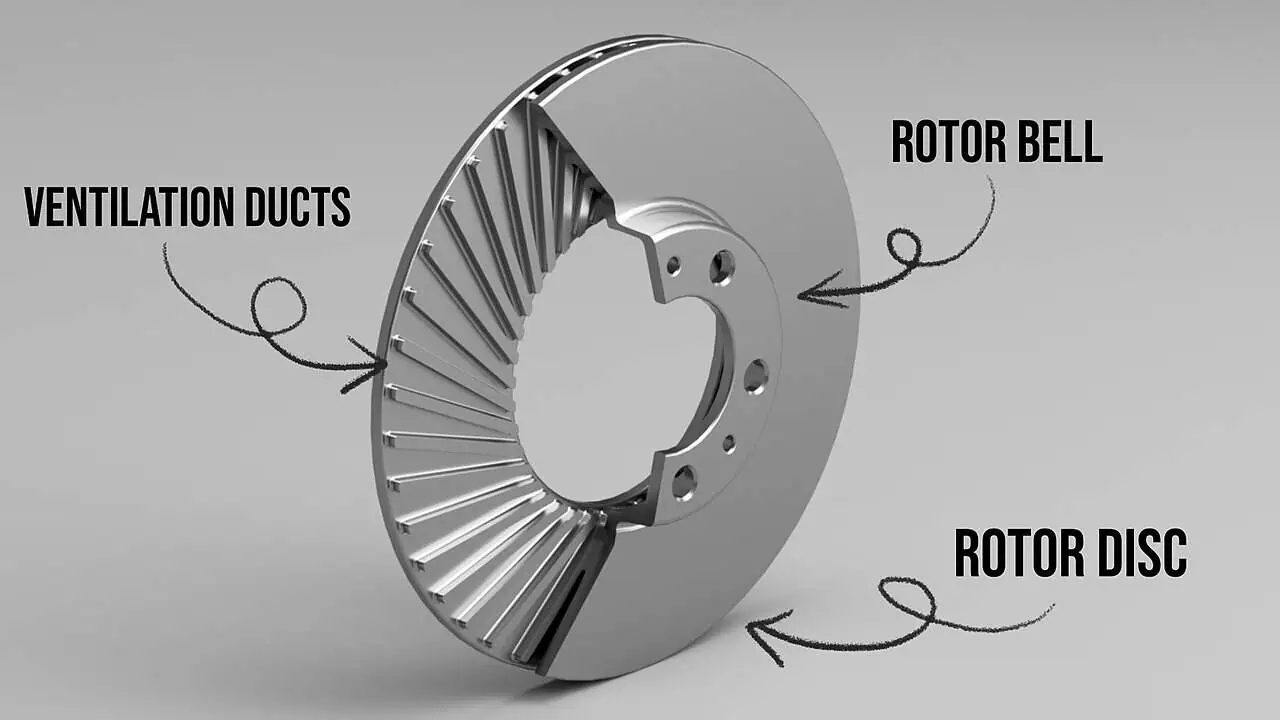
Building the Forensic Evidence File
To prevail before a state licensing investigator or a Small Claims judge, you need objective mechanical proof that the work was unauthorized, defective, or fraudulent:
- The Written Estimate vs. Final Invoice: Place the initial signed estimate side-by-side with the final bill. Highlight every unapproved line item, surprise surcharge, or unauthorized labor operation.
- Second Opinion Diagnostic Report: Take the vehicle immediately to a franchised dealership or independent ASE Master Certified facility. Have the technician inspect the vehicle, verify whether the billed components were actually installed, and write a detailed condition report.
- Preservation of Replaced Parts: Keep all old parts in sealed plastic containers. If the shop claims they installed a new catalytic converter or alternator but the second mechanic discovers the old part remains in place, you have conclusive criminal evidence of automotive fraud.
- Contemporaneous Telephone & SMS Records: If the service advisor called to request additional authorization, review your phone records. Record whether you explicitly approved or rejected the recommendation, noting dates and timestamps.
Filing Regulatory Complaints with State Automotive Licensing Boards
State regulatory bodies possess broad statutory authority to dispatch field investigators, audit garage records, issue citations, and mediate full consumer refunds:
Automotive Repair Regulatory Matrix
| State Regulatory Body | Filing Mechanism | Regulatory Powers |
|---|---|---|
| California Bureau of Automotive Repair (BAR) | bar.ca.gov/complaint | Dispatches on-site field investigators, audits shop work orders, and compels cash restitution. |
| State Consumer Protection Division | State Department of Consumer Affairs | Enforces state auto repair transparency laws, licensing rules, and consumer mediation. |
| State Attorney General Consumer Protection | State AG Consumer Portal | Prosecutes pattern-and-practice consumer fraud, deceptive advertising, and revokes corporate charters. |

Recovering Damages in Small Claims Court
If the repair shop refuses to negotiate in good faith, Small Claims Court offers an effective, rapid judicial remedy. You can sue for the full cost of unauthorized repairs, expenses incurred to fix botched workmanship, rental car fees, and statutory penalties under state consumer laws.
Review our comprehensive guide to state monetary thresholds: 50-State Small Claims Limits & Statute of Limitations Directory to confirm the maximum jurisdictional recovery available in your local court.
Myth vs. Legal Reality: Auto Repair Disputes
Myth: “The shop told me over the phone that repairs might cost more, so they can charge whatever they want.”
Legal Reality: False. State statutes strictly require that any verbal authorization must be contemporaneously documented on the work order with the exact date, time, telephone number called, and specific dollar figure approved. Without that exact documentation, the oral authorization is legally invalid.
Myth: “If I sign the work order at pickup, I waive my right to dispute the charges.”
Legal Reality: False. Signing a pickup receipt acknowledges physical return of the vehicle. It cannot waive non-waivable statutory rights under state Automotive Repair Acts, particularly when endorsed ‘Paid Under Protest.’
Formal Pre-Suit Demand Letter for Automotive Repair Refund
Before initiating formal litigation in Small Claims Court, send this pre-suit demand letter via USPS Certified Mail with Return Receipt Requested. This formal correspondence establishes an indisputable record of statutory notice.
Before You Go: Citizen Protection Protocol
Protecting your rights following an unlawful commercial dispute or accident requires immediate action, thorough documentation, and strict adherence to statutory deadlines. Preserve all original contracts, maintain contemporaneous call notes, and send formal legal demands via certified mail with return receipt requested.
HowToReport.org is an independent educational site — not a government agency. We link to official .gov and .org sources, but we cannot file a complaint for you or give legal advice. Read our full Legal Disclaimer & Safe Harbor →
Damages Under ,000? Check Your State Small Claims Limit
If administrative complaints fail to recover your financial losses, you can sue in local small claims court without expensive attorney fees. Select your state below for instant dollar limits and statutory deadlines:
Related Statutory Reporting Guides & Citizen Protections
Official step-by-step reporting protocols in this regulatory category.


Official sources
Use these official channels for your complaint — verify details on the agency site before you submit.
- FTC + State Attorney General — 1-877-382-4357 (Online 24/7)
- Official reporting portal
What happens next
- Most agencies send an acknowledgment or reference number — save it with your copies.
- Investigations vary by agency; complex cases can take weeks or months.
- If you do not hear back within the timeframe listed on the agency site, follow up in writing.
- Keep reporting to additional agencies if your issue crosses categories (for example, fraud plus billing).