

Quick Answer: How to Report an Unlicensed Contractor
⚖️ Facing Damages or Unreturned Funds Under $25,000?
Check your state small claims court dollar ceiling, statutes of limitations, and attorney representation rules.
How Do I Report an Unlicensed Contractor?
You can report an unlicensed contractor directly to your state’s contractor licensing board or department of consumer affairs. Operating without a required license violates state law and puts homeowners at risk. Contact local building code enforcement officials to stop unpermitted work occurring on a specific job site immediately.
- Gather Evidence: Collect business cards, advertisements, written estimates, contracts, and proof of payment made to the individual.
- File Your Report: Submit a complaint form to the state licensing board and alert local city code enforcement officers.
- Follow Up: Pursue a civil lawsuit in small claims court if you suffered financial losses due to their illegal work.
If a contractor performed home remodeling, electrical, roofing, or plumbing work without a valid state license: in most states, unlicensed contracting is a crime and they have zero legal right to enforce payment or file a mechanic’s lien. Under strict state statutes (such as California BPC § 7031), homeowners can sue to recover 100% of all money ever paid to an unlicensed contractor (complete disgorgement).
Immediately file an official regulatory complaint with your State Contractor Licensing Board (e.g. CSLB in CA, ROC in AZ, DBPR in FL). Simultaneously report unpermitted construction to your local City/County Building & Safety Department. Send a formal certified mail demand for full fee disgorgement and notice that any mechanics lien filed is illegal and fraudulent.
Hiring a contractor to remodel your home, repair a roof, or build an addition involves significant financial investment and deep trust. Unfortunately, the underground economy of unlicensed contractors costs homeowners millions of dollars annually in substandard work, abandoned projects, and massive liability exposure. If an unlicensed contractor has defrauded you, performed dangerous unpermitted work, or simply misrepresented their licensing status, you must act quickly to stop the physical damage and invoke your statutory rights for total financial recovery.
If you hire an unlicensed contractor and a worker is injured on your property, younot the contractorcan be held legally and financially liable for their medical bills and workers’ compensation claims. Your homeowner’s insurance policy may strictly exclude coverage for injuries resulting from unpermitted or unlicensed work. Terminate unauthorized construction immediately.
Understanding Unlicensed Contracting: Warning Signs & Legal Definitions
In most jurisdictions across the United States, any construction, alteration, or repair project exceeding a specific, minimal statutory threshold (e.g., $500 including labor and materials in California) legally requires a state-issued contractors license. Operating without this professional license is not merely a technical oversight or a bureaucratic paperwork error; it is a serious criminal misdemeanor that carries substantial fines, restitution orders, and potential jail time.
Unlicensed individuals often operate in the shadows, utilizing predatory tactics to secure lucrative jobs without carrying the required surety bonds, general liability insurance, or workers’ compensation coverage. Identifying these warning signs early is crucial for building a strong enforcement case against them.
The Unlicensed Contractor Red Flag Framework
1. The “Cash-Only” Demand
Refusing traceable checks or credit cards and demanding large upfront cash deposits before any raw materials arrive on the job site.
2. Permit Avoidance Tactics
Asking the homeowner to pull the building permits as an “owner-builder” to intentionally avoid local building department scrutiny.
3. Missing License Numbers
Failing to display a valid state license number on business cards, written contracts, estimates, or commercial vehicles (which is required by state law).
4. High-Pressure Scares
Claiming your roof, plumbing, or foundation is in “imminent danger of collapse” to pressure you into signing a legally void contract immediately.
Where to Report: Official Agencies & Jurisdiction Breakdown
Stopping an unlicensed contractor requires a highly coordinated, multi-jurisdictional approach. You must engage the correct state licensing authority to impose civil penalties, local code enforcement to halt the illegal structural work, and the civil court system for full financial recovery.
Contractor Enforcement Jurisdiction Matrix
Step-by-Step Guide to Filing Your Official Report
Filing a comprehensive and legally sound report against an illegal operator is critical to protect your finances, clear the title to your property, and prevent them from victimizing your neighbors. Follow these strictly structured steps to secure evidence and trigger official enforcement actions.
Step 1: Gathering and Preserving Crucial Evidence
State investigators and civil judges rely entirely on the documentary trail you provide. Do not rely on verbal promises or handshake agreements. Immediately secure the following forensic evidence:

- The Contract/Estimate: Any written bid, invoice, or scrap of paper where the individual offered to perform construction work for a specific price.
- Proof of Payment: Canceled checks (front and back), bank transfer receipts, Zelle transaction logs, or ATM withdrawal slips corresponding exactly to cash payments.
- Digital Communications: Export text messages, voicemails, and unredacted email threads containing their demands for payment, scheduling details, or refusal to finish the job.
- Site Photographs: Take clear, timestamped photos of the abandoned project, substandard workmanship, materials left on site, and the contractor’s vehicle (especially capturing the license plate).
Step 2: Submitting Your Complaint via Official Channels
Navigate to your states contractor licensing board portal immediately. For example, in California, you will use the Contractor State License Board (CSLB). File an Unlicensed Activity Complaint. Ensure you provide:

- The exact physical address of the active job site.
- The full legal name, business aliases, phone numbers, and vehicle descriptions of the unlicensed individual.
- A chronological narrative of how you met the individual, what they promised to build, and exactly how much money changed hands.
If the unlicensed contractor is currently on your property performing work, explicitly inform the intake agent. Many boards have dedicated rapid-response units (like the SWIFT team) that can conduct a surprise undercover sting operation directly on the active site.
Step 3: Immediate Protective Actions & Account Freezes
If you paid the unlicensed contractor via a credit card or a bank-issued debit card within the last 60 days, contact your financial institutions fraud department immediately. Initiate a chargeback dispute under the Fair Credit Billing Act (FCBA), citing that the merchant committed criminal fraud by misrepresenting their legal licensure status, thereby rendering the contract legally void and the services undelivered.

Step 4: Filing a Local Police / Incident Report
If the contractor stole raw materials from your property, refused to return large cash deposits without performing any work, or made physical threats of violence against your family for terminating them, contact your local police non-emergency line. Request that an officer visit your home to draft a formal Police Incident Report for grand theft by false pretenses or criminal threats. This report number is essential for insurance claims, restraining orders, and escalated state investigations.
Step 5: Post-Filing Follow-Up & Tracking Your Case
Once your formal complaint is filed with the state board, you will be assigned a lead investigator. Consolidate your evidence into a physical records binder. Do not destroy the unpermitted work immediately if you intend to sue, as it serves as the primary physical evidence of their substandard construction. Wait for the state investigator, code enforcement, or your private attorney to photograph and document the site before hiring a licensed professional to tear it down and rebuild.
Evidence Preparation Checklist & Filing Timeline
The success of your regulatory complaint or civil lawsuit relies heavily on strict adherence to reporting timelines and meticulous record-keeping. Follow this four-stage roadmap to organize your recovery and enforcement effort.
4-Stage Resolution Roadmap
Within 24 Hours: Halt Work & Secure Evidence
Terminate the unlicensed individual in writing. Lock the property, photograph the unfinished work, and organize all cancelled checks and text messages.
Within 3 Days: Dispatch State/Local Authorities
File the formal complaint with the State Licensing Board and notify the city building inspector to red-tag the unpermitted project.
Within 14 Days: Issue Disgorgement Demand
Send a formal, certified letter demanding a 100% refund of all funds paid under the legally void contract.
Within 30 Days: Small Claims or Civil Litigation
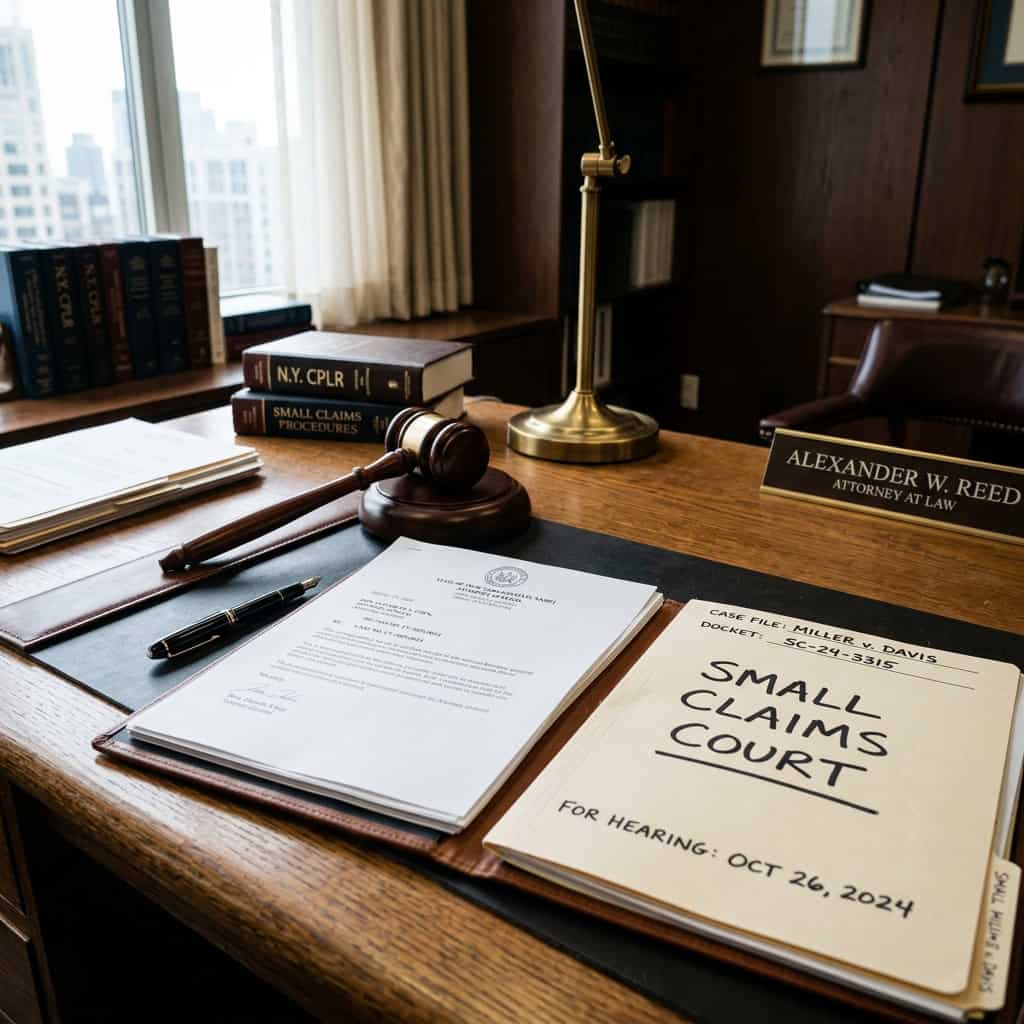
If the individual ignores the demand letter, file a lawsuit in Small Claims Court (or retain a construction attorney for superior court) for full statutory disgorgement.
To initiate the civil recovery process and create a paper trail for the judge, use the following formal template to notify the unlicensed operator that their contract is legally void and demand immediate, total restitution.
[Date]
VIA CERTIFIED MAIL RETURN RECEIPT REQUESTED (# [Tracking Number])
To: [Unlicensed Contractor Name]
Address: [Street Address, City, State, ZIP]
RE: Formal Notice of Illegal Contracting & Demand for Disgorgement regarding [Project Address]
Dear [Name],
This letter serves as formal notice that you have illegally performed contracting services at my property without holding a valid state contractor’s license, in direct violation of state law.
Under state law, any contract entered into by an unlicensed contractor is legally void and unenforceable. Additionally, I am statutorily entitled to bring an action in court to recover all compensation paid to you for performing these illegal acts (disgorgement).
To date, I have paid you a total of $[Amount Paid]. I demand the immediate refund of this total amount in the form of a cashier’s check within ten (10) days of receiving this letter.
If you fail to remit the full refund by [Deadline Date], I will file a formal complaint with the State Licensing Board, report your unlicensed activity to the local District Attorney, and initiate a civil lawsuit against you for full disgorgement, legal fees, and statutory damages.
Govern yourself accordingly.
Sincerely,
[Your Printed Name]
[Your Signature]
[Your Contact Information]
Common Myths vs. Legal Realities About Reporting Unlicensed Contractors
Victims of construction fraud often hesitate to take aggressive action due to widespread misinformation perpetuated by the scammers themselves. Understand your ironclad statutory rights before confronting the illegal operator.
Myth vs. Fact
“If they did half the work perfectly, I still owe them for their labor and materials.”
Unlicensed contractors have zero legal right to collect payment. Courts often order complete “disgorgement,” forcing them to refund 100% of the money you paid, regardless of work quality.
“They can put a mechanic’s lien on my house if I refuse to pay the final balance.”
Only legally licensed contractors, legitimate material suppliers, and W-2 laborers can record valid mechanic’s liens. An unlicensed lien is fraudulent and can be rapidly expunged by a judge.
SENT VIA USPS CERTIFIED MAIL & HAND DELIVERY
RETURN RECEIPT REQUESTED: [Tracking Number]
To: [Unlicensed Contractor / Business Name]
Attn: Owner / Principal
[Contractor Street Address]
[City, State, ZIP]
RE: FORMAL STATUTORY DEMAND FOR FULL DISGORGEMENT OF FUNDS PAID & NOTICE OF INVALID LIEN
Property Owner / Client: [Your Full Legal Name]
Job Site Address: [Your Property Address]
Contract Date: [Date Contract Signed] | Total Monies Paid to Date: $[Total Amount Paid]
Dear [Contractor Name]:
I am writing to provide formal legal notice that an audit of records maintained by the State Contractors Licensing Board reveals that you and your business entity were NOT duly licensed as a contractor in this state at the time of execution and performance of our home improvement agreement.
STATUTORY DISGORGEMENT MANDATE:
Under state business and professions statutes (including the doctrine codified in California Business & Professions Code § 7031(b) and equivalent state licensing legislation), a person who utilizes the services of an unlicensed contractor may bring an action in any court of competent jurisdiction to RECOVER ALL COMPENSATION PAID to the unlicensed contractor for performance of any act or contract.
Additionally, state law bars any person who is not duly licensed from maintaining ANY legal action to collect compensation or from recording a valid mechanic’s lien against real property.
DEMAND FOR COMPLETE REFUND:
Pursuant to the strict liability disgorgement statutory mandate, I hereby demand immediate reimbursement of all compensation paid to you for work performed at [Job Site Address], totaling:
$[Total Amount Paid]
Please remit payment via certified bank cashier’s check to my address below within ten (10) business days.
WARNING REGARDING FRAUDULENT MECHANIC’S LIENS:
Be expressly advised that recording a mechanic’s lien by an unlicensed entity constitutes the intentional filing of a fraudulent and slandered title document against real property, subjecting you to actual and punitive civil damages, as well as criminal prosecution for filing false instruments.
If full payment is not received within ten (10) business days, I will file an action in Small Claims Court for total disgorgement, plus court fees, and submit a formal criminal complaint to the Statewide Investigative Fraud Team (SWIFT) of the State Licensing Board.
Sincerely,
_________________________________________
[Your Signature]
[Your Printed Legal Name]
[Your Address]
Telephone: [Your Phone Number]
Email: [Your Email Address]
Frequently Asked Questions
Can I be fined by the city for the unpermitted work the contractor did?
Yes. Ultimately, you are the property owner, and you hold the responsibility for ensuring all structures comply with local building codes. While you are the victim of the contractor’s fraud, the city may still issue code violations against your property. You will likely need to hire a licensed contractor and a structural engineer to pull “as-built” permits, inspect the illegal work, and bring it up to code, which is why suing the original scammer for financial disgorgement is crucial to cover these heavy remediation costs.
What if they used a fake license number on the contract?
Using another legitimate contractors license number without their permission, or fabricating a fake number entirely, elevates the offense from simple unlicensed contracting to felony identity theft, criminal fraud, and forgery. You must report this immediately to both the State Licensing Board and local law enforcement, as it demonstrates clear criminal intent and malice to deceive the public.
How can I verify if a contractor is licensed before hiring them?
Never rely on a piece of paper handed to you by the contractor. Navigate directly to your states contractor licensing board website (e.g., CSLB in California, DBPR in Florida). Search their exact business name, personal name, or the license number they provided. Ensure the license is “Active,” the classifications match the work they are bidding on (e.g., you need a C-39 license for roofing, not a C-27 landscaping license), and verify that their required surety bonds and workers’ compensation insurance policies are current and unexpired.
Is it worth taking an unlicensed contractor to Small Claims Court?
Yes, absolutely. Because the law heavily favors the homeowner in these disputes, presenting a legally void contract to a small claims judge often results in a swift judgment for full disgorgement in your favor. Small claims courts have increased their financial limits in many states (up to $10,000 or $12,500), allowing victims to pursue rapid, inexpensive legal judgments without paying thousands in attorney fees. Even if collection takes time, securing the judgment creates a permanent financial encumbrance on the scammer’s public record.
- California Contractor State License Board (CSLB): File a formal Unlicensed Activity Complaint online or call 1-800-321-CSLB to trigger SWIFT unit deployment. cslb.ca.gov
- Florida Department of Business and Professional Regulation (DBPR): Report unlicensed construction activity in Florida under F.S. 489.13. myfloridalicense.com
- Better Business Bureau (BBB): File a public alert against fraudulent business names used by the unlicensed operator. bbb.org
- Disgorgement Statutes (Example: CA BPC 7031): Under California Business and Professions Code 7031(b), victims can sue to recover all compensation paid to an unlicensed contractor.
Damages Under ,000? Check Your State Small Claims Limit
If administrative complaints fail to recover your financial losses, you can sue in local small claims court without expensive attorney fees. Select your state below for instant dollar limits and statutory deadlines:
Related Statutory Reporting Guides & Citizen Protections
Official step-by-step reporting protocols in this regulatory category.



What happens next
- Most agencies send an acknowledgment or reference number — save it with your copies.
- Investigations vary by agency; complex cases can take weeks or months.
- If you do not hear back within the timeframe listed on the agency site, follow up in writing.
- Keep reporting to additional agencies if your issue crosses categories (for example, fraud plus billing).
2 thoughts on “How to Report an Unlicensed Contractor: Protect Homes & CSLB Guide”