
⚡ Quick Answer: How to Report Landlord Housing Violations
- Immediate Action / Statutory Deadline: Send a formal 14-day statutory notice to repair via USPS Certified Mail Return Receipt Requested citing your state Implied Warranty of Habitability; document toxic mold, sewage, or heating failures with timestamped photos.
- Primary Regulatory Agency: Municipal Code Enforcement / Housing Department (via 311 or health inspectors) and State Attorney General Tenant Protection Bureau.
- Statutory / Legal Remedy: Municipal repair citations, legal rent escrow / rent withholding, repair-and-deduct remedies, constructive eviction lease cancellation, and statutory damages up to 2x-3x security deposits.
How to Report a Landlord Housing Violation: File a Complaint & Protect Tenant Rights
You can report a landlord housing violation directly to your local city code enforcement or building inspection department. Landlords must maintain habitable living conditions under state law, including working plumbing, heat, and structural safety. Call the local health department to report severe issues like black mold or pest infestations.
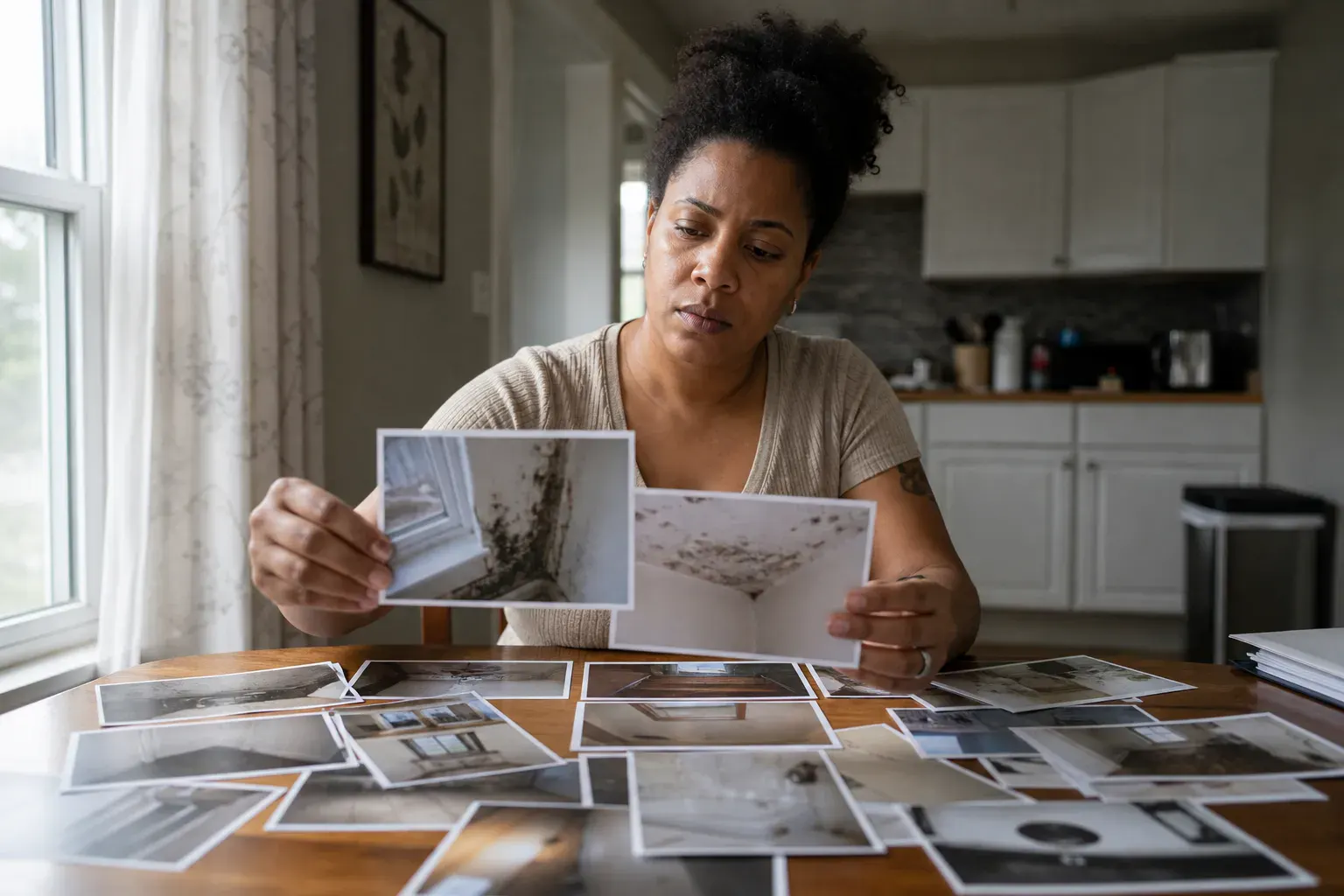
- Gather Evidence: Take date-stamped photos of the violations, keep copies of repair requests, and save landlord communications.
- File Your Report: Call your local code enforcement agency or submit an online complaint through the city portal.
- Follow Up: Escalate to a local tenants rights organization or consider legal options like withholding rent if permitted.
Every residential tenant in the United States—regardless of what lease terms or “as-is” clauses a landlord inserts into a rental contract—is protected by the legally non-waivable Implied Warranty of Habitability. Under common law and statutory tenant codes in 49 states (with Arkansas being the sole common-law exception), landlords are legally required to maintain rental units in safe, sanitary, and structurally sound condition.
When property managers ignore water intrusion, toxic black mold (*Stachybotrys chartarum*), broken heating in sub-zero winter temperatures, or pest infestations, tenants are not powerless. By establishing an airtight evidentiary paper trail and invoking state escrow and code enforcement mechanisms, you can compel immediate remediation or terminate your lease without penalty.
Habitability Enforcement & Rent Escrow Protocol
Step 1: Document Habitability Violations, Health and Safety Hazards & Repair Requests
The cardinal rule of tenant rights is that verbal complaints do not exist in the eyes of a judge. Landlords frequently stall repairs over text messages or casual phone calls while charging full rent. To establish an unassailable legal record:
- Photographic & Video Inventory: Capture high-resolution photos and video of all defects. Document moisture meter readings, thermostat readings (for heating failures), and structural cracks.
- Medical Documentation: If mold or sewage backups have caused respiratory issues, asthma attacks, or skin rashes, visit an urgent care or primary care physician immediately. Ensure the doctor records the symptoms and environmental mold exposure in your official medical chart.
- Expense Ledger: Track out-of-pocket mitigation costs—such as space heaters, dehumidifiers, HEPA air filters, or temporary hotel stays—with itemized receipts.

Step 2: Deliver the Formal Certified Repair Notice to the Property Owner
In virtually all jurisdictions governed by the Uniform Residential Landlord and Tenant Act (URLTA), you cannot withhold rent or break your lease until you have given the landlord a formal written opportunity to cure the defect (typically 14 to 30 calendar days).
Send this formal notice via USPS Certified Mail with Return Receipt Requested. This eliminates the landlord common legal defense that they “never received the maintenance request.”
Formal 14-Day Notice of Material Noncompliance & Rent Escrow Intent
Governing Legal Authority: URLTA § 4.101 & Implied Warranty of Habitability
Instructions: Send via USPS Certified Mail with Return Receipt Requested. Retain the stamped green card and postal receipt to establish an unassailable evidentiary record for administrative complaints or civil claims.
SENT VIA USPS CERTIFIED MAIL — RETURN RECEIPT REQUESTED
Certified Mail Tracking No.: [Insert 20-Digit USPS Tracking #]
AND TRANSMITTED VIA CERTIFIED TENANT PORTAL EMAIL
To:
[Landlord Legal Entity / Property Management Company]
[Property Manager / Building Super Name]
[Management Office Physical Address]
[City, State, ZIP Code]
RE: FORMAL STATUTORY NOTICE OF MATERIAL NONCOMPLIANCE WITH THE IMPLIED WARRANTY OF HABITABILITY (14-DAY NOTICE TO REPAIR OR FACE RENT ESCROW / CIVIL REMEDIES)
Premises: [Apartment / Unit Number, Street Address, City, State, ZIP]
Lease Term: [Lease Start Date] to [Lease End Date] | Tenant Name(s): [Your Full Name(s)]
To the Management of [Property Management Name]:
This letter serves as formal statutory notice under the [State Landlord-Tenant Act / URLTA § 4.101] that the rental premises referenced above contains severe, ongoing housing code violations and material breaches of the Implied Warranty of Habitability.
DETAILED SUMMARY OF UNINHABITABLE CONDITIONS:
1. Toxic Mold Infestation & Moisture Intrusion: Active, widespread fungal growth in the [bathroom / master bedroom / HVAC vents] resulting from persistent water intrusion / plumbing leak reported on [Initial Date Reported].
2. HVAC / Essential Utility Failure: Complete absence of functional [heating / hot water / electrical supply] violating municipal housing code standards (Municipal Code § [Code #]).
3. Structural / Pest Hazards: [Describe ceiling collapse risk, severe rodent infestation, broken deadbolts, etc.].
PRIOR NOTICE & FAILURE TO CURE:
These conditions were previously reported in writing on [Date 1] and [Date 2]. To date, your management has failed to complete necessary, licensed remediation.
MANDATORY STATUTORY DEMAND:
Under state law, a landlord must initiate and complete repairs of essential habitability defects within [14 calendar days / statutory period] of receiving written notice. Demand is hereby made that licensed, certified contractors be dispatched to inspect and remediate these conditions within fourteen (14) days of receipt of this notice.
RESERVATION OF TENANT STATUTORY RIGHTS:
Should you fail to cure these material defects within the fourteen-day statutory window, the undersigned tenants will exercise all statutory remedies available under state law, including:
1. Initiating a Rent Escrow Action with the Municipal Civil Court;
2. Exercising Statutory “Repair and Deduct” Rights pursuant to [State Statute];
3. Submitting a Formal Code Complaint to the Municipal Code Enforcement & Public Health Division for on-site inspection and issuance of administrative citations;
4. Constructive Eviction and termination of the lease agreement with immediate demand for full refund of prepaid rent and security deposits.
Sincerely,
____________________________________________
[Your Full Legal Name(s)]
[Your Apartment / Unit #]
[Your Telephone Number]
[Your Email Address]
⚖️ Facing Damages or Unreturned Funds Under $25,000?
Check your state small claims court dollar ceiling, statutes of limitations, and attorney representation rules.
Step 3: File a Housing Complaint with Code Enforcement, Public Health & HUD
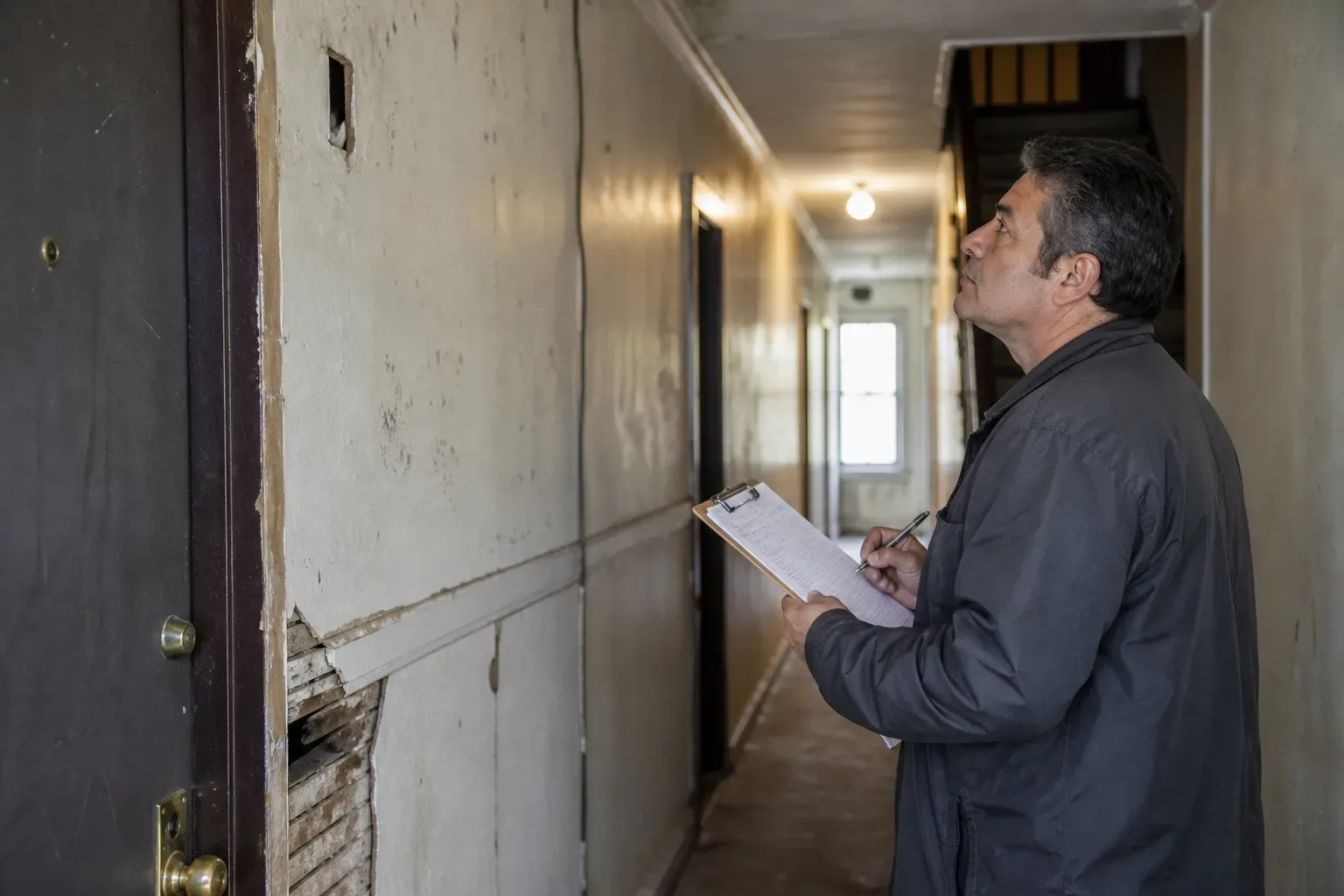
While the 14-day statutory clock runs, contact your local city government by dialing 311 or calling the Municipal Code Enforcement / Housing Inspection Bureau. Inform the clerk that your apartment contains active habitability hazards.
When the city housing inspector visits:
- Accompany the inspector through the unit and point out every defect.
- Request that the inspector test electrical outlets, water pressure, and temperature.
- Request a certified copy of the Notice of Housing Code Violation issued to the property owner. A municipal violation notice legally binds the landlord and prevents them from filing a retaliatory eviction in court.
Tenant Remedies & Statutory Enforcement Powers by State Class
Fair Housing Violations: Filing Housing Discrimination Complaints with HUD
In addition to physical habitability issues, landlords and property managers frequently violate the federal Fair Housing Act. Under regulations enforced by the U.S. Department of Housing and Urban Development (HUD), it is illegal for a housing provider to refuse maintenance, terminate a lease, or impose different rental terms based on race, color, national origin, religion, sex, familial status, or disability. If a property owner refuses a reasonable accommodation request for a renter with a disability or denies access to Housing Choice Voucher (Section 8) assistance, tenants can file a formal housing discrimination complaint directly with HUD’s Office of Fair Housing and Equal Opportunity (FHEO) or their state civil rights agency.
When you submit a fair housing complaint form, federal housing investigators will investigate the allegations. Federal housing rights protect every renter, ensuring equal treatment across all real estate transactions.
Step 4: Understand the Retaliatory Eviction Shield & Legal Remedies
Tenants often hesitate to report landlords out of fear of immediate eviction notices or sudden 50% rent hikes. Under state landlord-tenant laws (such as California Civil Code § 1942.5, Texas Property Code § 92.331, and New York Real Property Law § 223-b), landlord retaliation is strictly prohibited.
If a landlord serves an eviction notice, terminates a month-to-month lease, or raises your rent within 90 to 180 days of your filing a code complaint or delivering a habitability notice, state law establishes a rebuttable presumption of retaliation. In eviction court, the judge will dismiss the eviction and award you statutory damages and attorney fees.


Tenant Habitability Common Misconceptions
Tenant Legal Aid Resources: How to Consult an Attorney & Verify Housing Code
If your landlord refuses to resolve life-threatening violations or threatens eviction, seek immediate legal help. Every renter has the right to free or low-cost legal assistance through their regional legal aid society, local housing authority, or state attorney general’s office. Professional housing professionals and tenant rights attorneys can help you verify municipal code requirements, petition for rent escrow, or file an emergency civil injunction.
Frequently Asked Questions About Landlord Housing Code Violations
What constitutes a breach of the Implied Warranty of Habitability?
Defects that threaten health, safety, or basic sanitation: lack of drinkable hot and cold water, non-working heating in winter, broken exterior locks, exposed live electrical wiring, active roof leaks, sewage backups, and toxic mold infestations that exceed background outdoor spore levels.
Can I break my lease early because of toxic mold?
Yes, under the legal doctrine of Constructive Eviction. If the mold renders the unit unfit for residential occupancy, you provided written notice, and the landlord failed to remediate within a reasonable time, you may vacate the premises, terminate the lease without early termination penalties, and demand the full return of your security deposit.
Who pays for hotel accommodations during mold remediation?
If a rental unit requires extensive chemical remediation, gutting of drywall, or pesticide fogging that makes staying in the unit hazardous to health, the landlord is legally obligated to either provide comparable alternative housing (such as an extended stay hotel) or waive rent entirely for the duration of the displacement.
Can a landlord evict me if I call the health department?
No. Reporting code violations to public health or code enforcement is a protected legal right. Any eviction attempt initiated within 90 to 180 days is presumed retaliatory and subject to substantial statutory penalties in court.
Official Regulatory Authorities & Governing Statutes
- U.S. Department of Housing & Urban Development (HUD) Tenant Rights Directory
- U.S. Environmental Protection Agency (EPA) Mold & Moisture Guidelines
- Uniform Residential Landlord and Tenant Act (URLTA) § 2.104 & § 4.101
- Municipal Department of Building Inspection & Code Enforcement Portals
Before You Go: Citizen Protection Protocol
Protecting yourself against unlawful practices requires swift action, methodical documentation, and strict adherence to statutory deadlines. Preserve all original agreements, maintain contemporaneous call notes, and send formal correspondence via certified mail with return receipt requested.
HowToReport.org is an independent educational site — not a government agency. We link to official .gov and .org sources, but we cannot file a complaint for you or give legal advice. Read our full Legal Disclaimer & Safe Harbor →
Damages Under ,000? Check Your State Small Claims Limit
If administrative complaints fail to recover your financial losses, you can sue in local small claims court without expensive attorney fees. Select your state below for instant dollar limits and statutory deadlines:
Related Statutory Reporting Guides & Citizen Protections
Official step-by-step reporting protocols in this regulatory category.
What happens next
- Most agencies send an acknowledgment or reference number — save it with your copies.
- Investigations vary by agency; complex cases can take weeks or months.
- If you do not hear back within the timeframe listed on the agency site, follow up in writing.
- Keep reporting to additional agencies if your issue crosses categories (for example, fraud plus billing).
1 thought on “How to Report a Landlord Housing Violation: File a Complaint & Protect Rights”