
{
“@context”: “https://schema.org”,
“@graph”: [
{
“@type”: “HowTo”,
“name”: “How to Report to the Better Business Bureau (BBB): Complaint Guide”,
“description”: “Learn how to file an effective complaint with the BBB, escalate unresolved disputes to the Attorney General, and force businesses to respond.”,
“step”: [
{
“@type”: “HowToStep”,
“position”: 1,
“name”: “Send a Formal Demand Letter”,
“text”: “Send a certified demand letter to the business first, clearly stating your requested resolution before filing the BBB complaint.”
},
{
“@type”: “HowToStep”,
“position”: 2,
“name”: “File the BBB Complaint”,
“text”: “Submit a formal complaint through BBB.org, detailing the financial loss and your exact desired resolution (e.g., refund, repair).”
},
{
“@type”: “HowToStep”,
“position”: 3,
“name”: “Respond to the Business”,
“text”: “When the business replies via the BBB portal, you have the option to Accept or Reject their proposed resolution.”
},
{
“@type”: “HowToStep”,
“position”: 4,
“name”: “Escalate to the Attorney General”,
“text”: “If the business ignores the BBB or refuses to refund you, escalate the dispute by filing a formal complaint with your State Attorney General.”
}
]
},
{
“@type”: “FAQPage”,
“mainEntity”: [
{
“@type”: “Question”,
“name”: “Does a business have to be BBB Accredited for me to file a complaint?”,
“acceptedAnswer”: {
“@type”: “Answer”,
“text”: “No. You can file a complaint against any business in the United States, whether they are a paying member of the BBB or not. The BBB will still contact them and post the unacknowledged complaint on their public profile.”
}
},
{
“@type”: “Question”,
“name”: “Can I sue a company and file a BBB complaint at the same time?”,
“acceptedAnswer”: {
“@type”: “Answer”,
“text”: “No. The BBB will explicitly reject your complaint if you are currently involved in active litigation against the company. The BBB is designed as an alternative to court, not a supplement.”
}
},
{
“@type”: “Question”,
“name”: “What happens if the company offers me a partial refund?”,
“acceptedAnswer”: {
“@type”: “Answer”,
“text”: “If they reply via the BBB offering a partial refund, you can click u201cRejectu201d and state why it is unacceptable. However, if the business has made a good-faith effort to resolve the dispute, the BBB may close the case as u201cResolvedu201d even if you are not fully satisfied.”
}
}
]
}
]
}
⚡ Quick Answer: How to Report to the Better Business Bureau
- Immediate Action / Written Demand: Send a 10-day formal dispute letter directly to merchant executive customer care before filing online.
- Primary Regulatory Channel: File your official consumer dispute online at BBB.org; the BBB initiates an automatic 14-day merchant response clock.
- Enforceable Legal Remedy: Merchants failing to respond lose BBB accreditation and receive public F ratings; unresolved claims escalate to binding arbitration or State AG.
How Do I Report to the Better Business Bureau?
File a complaint against a business through the Better Business Bureau website by searching for the company profile. Submit detailed information regarding unsatisfactory services, billing disputes, or deceptive practices. The organization forwards your grievance to the business, requesting a formal response and attempting to facilitate a fair resolution.
- Gather Evidence: Organize receipts, contracts, email correspondence, and warranty documents demonstrating your transaction and the subsequent dispute.
- File Your Report: Navigate to the BBB complaint portal online, locate the specific business profile, and complete the detailed submission form.
- Follow Up: Respond promptly to any communications from the bureau or the business to maintain active status on your pending dispute.
For decades, the Better Business Bureau (BBB) has been the go-to destination for angry consumers. Because of its name, many people mistakenly believe the BBB is a federal agency akin to the FBI or the FTC. It is not. It is essentially the original version of Yelp—a private organization that grades businesses based on how well they resolve customer complaints.
However, despite its lack of legal teeth, filing a BBB complaint is still a highly effective step in resolving disputes. Many legitimate corporations pay thousands of dollars a year to maintain their “A+ BBB Accreditation.” If you file a formal complaint, it bypasses the low-level customer service reps and goes straight to a specialized compliance team tasked with protecting the company’s BBB rating.
On BBB.org, you have two options: “File a Complaint” or “Leave a Review.” If you just leave a review, the BBB will post it, but they will not mediate the dispute. To get your money back, you must select “File a Complaint.”
Understanding the BBB: When It Works and When It Fails
The BBB is highly effective against legitimate businesses that care about their reputation, but completely useless against outright scammers.
When to Use the BBB
✅ Effective: National Brands
Major airlines, cell phone carriers (AT&T, Verizon), and national retailers have dedicated teams solely for resolving BBB complaints to maintain their A+ status.
✅ Effective: Local Contractors
Plumbers, roofers, and mechanics rely heavily on local reputation. A pending BBB complaint can often pressure them into finishing a botched job.
❌ Useless: Overseas Scammers
If you were scammed by a fake website based in China or a tech support scammer in India, the BBB can do absolutely nothing. Report them to the FTC instead.
❌ Useless: Legal Malpractice
The BBB will not mediate disputes involving lawyers (report to the State Bar) or medical malpractice (report to the State Medical Board).
Where to Report: The Escalation Matrix
If the BBB fails, you must escalate to agencies that have actual statutory authority to punish the business.
BBB Escalation Paths
Step-by-Step Guide to Filing Your Complaint
To win a BBB dispute, you must strip away all emotion and state exactly what you want.
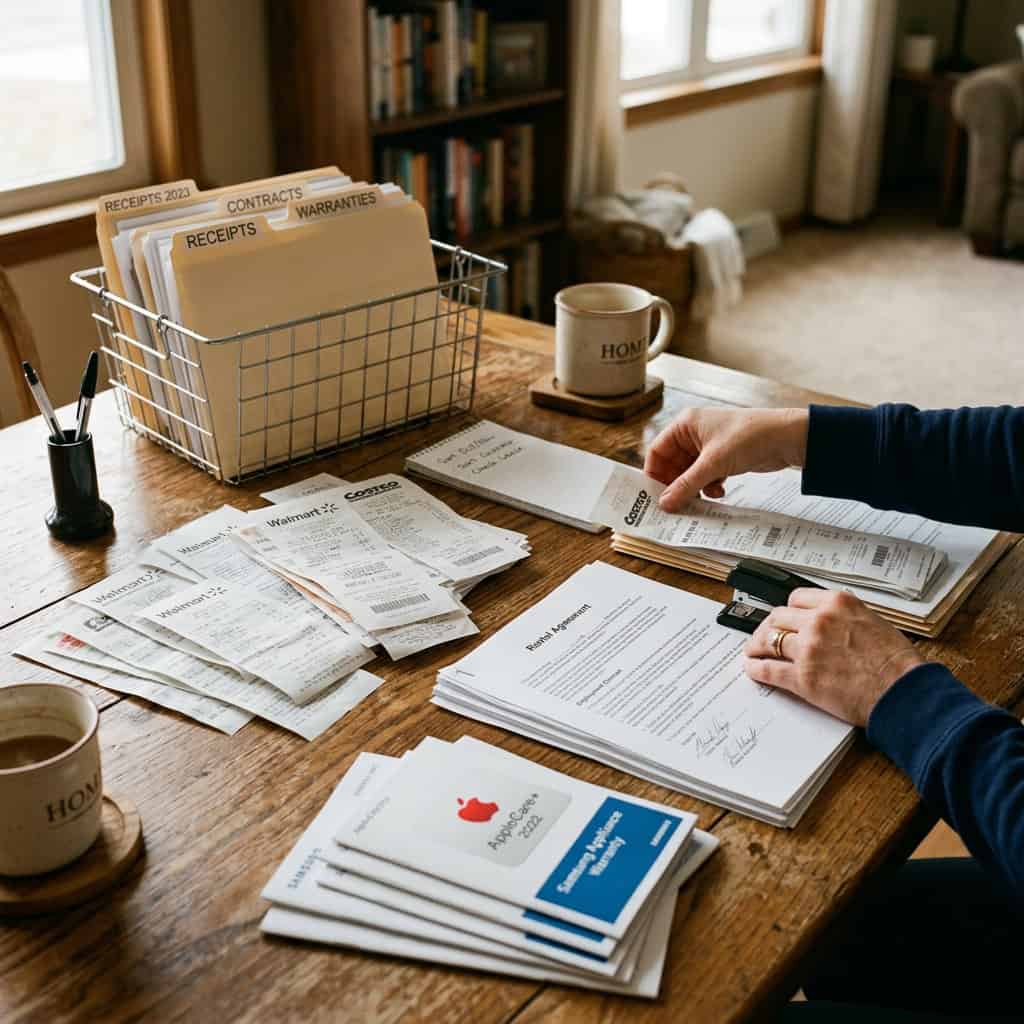
Step 1: Write a Formal Demand Letter First
Before filing the BBB complaint, send a formal written demand letter to the business giving them one last chance to fix the issue. Keep a copy. Uploading this letter to the BBB portal proves to the mediator that you attempted to resolve it in good faith before escalating. (Use the template below).

Step 2: File the Complaint at BBB.org
Go to BBB.org and search for the business. Click “File a Complaint.” The most critical section is the “Desired Resolution” box. Do not write “I want them to go out of business.” You must specify a tangible remedy: “I want a refund of $450 to my original Visa card.”
4-Stage BBB Conciliation & Dispute Resolution Timeline
The official 30-day lifecycle of an online consumer complaint filed through BBB.org:
10-Day Notice
Send formal written dispute letter to company corporate headquarters citing specific contract terms and desired resolution.
14-Day Clock
BBB reviews submission for commercial validity and forwards the dispute to the business with a strict 14 calendar-day response window.
Consumer Acceptance
Merchant response is sent to you; you have 10 days to accept settlement or file a rebuttal detailing why the remedy is unsatisfactory.
Arbitration / AG Filing
Unanswered or unresolved complaints lower merchant BBB rating from A+ to F; escalate to binding arbitration or State AG Consumer Division.
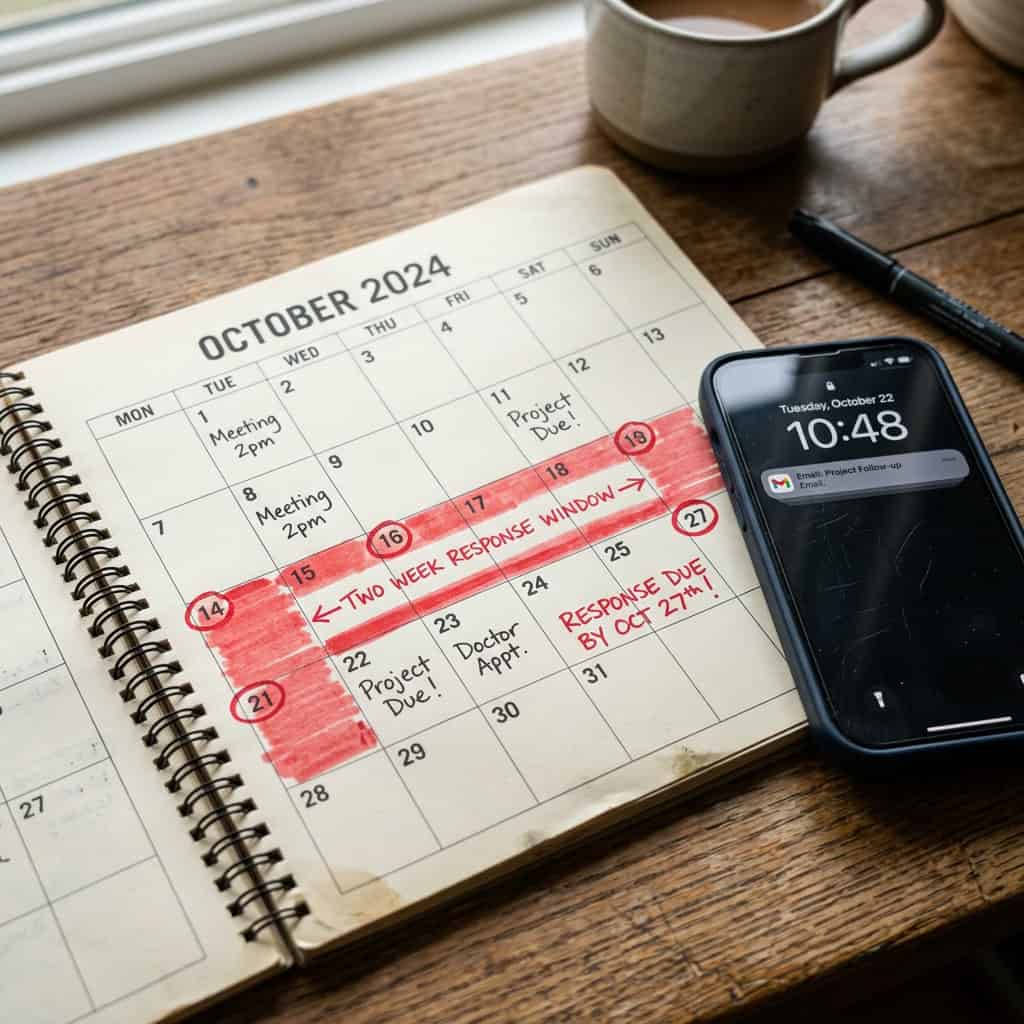
Step 3: Wait for the Business Response
The BBB will send the complaint to the business, giving them 14 days to respond. If they respond, the BBB will email you their answer. You then have 5 days to click “Accept” or “Reject.”
Step 4: Escalate if Ignored
If the business ignores the BBB, the BBB will close the case as “Unanswered” and drop their rating. At this point, the BBB process is over. You must now file a formal complaint with your State Attorney General’s Consumer Protection Division.
Send this letter to the business. If they ignore it, attach it as evidence when you file your BBB and Attorney General complaints.
[Date]
VIA CERTIFIED MAIL RETURN RECEIPT REQUESTED
To: Customer Service / Management, [Company Name]
Address: [Company Address]
RE: Final Attempt to Resolve Dispute / Account #[Insert]
To Whom It May Concern:
I am writing to formally request a resolution regarding a transaction that occurred on [Date].
[Briefly describe the issue, e.g., “I was charged $150 for a service that was never performed,” or “The contractor abandoned the job after taking a $5,000 deposit.”]
I have attempted to resolve this issue by phone on multiple occasions, but no action has been taken by your company. Therefore, I am formally demanding [state exact resolution, e.g., “a full refund of $150,” or “completion of the agreed-upon repairs at no additional cost”].
I expect this issue to be resolved within ten (10) business days. If I do not receive a satisfactory response, I will immediately escalate this matter by filing a formal complaint with the Better Business Bureau (BBB) and the State Attorney General’s Consumer Protection Division.
I look forward to your prompt response to avoid further escalation.
Sincerely,
[Your Printed Name]
[Your Signature]
[Your Contact Information]
Common Myths vs. Realities About the BBB
Understanding what the BBB can actually do will save you time and frustration.
Myth vs. Fact
“The company has an A+ rating on the BBB, so they must be completely trustworthy.”
The BBB rating is heavily weighted on whether a company responds to complaints, not how many they receive. A massive cable company can have 10,000 complaints and still maintain an A+ rating as long as their customer service reps reply to all of them.
“If the company doesn’t refund my money, the BBB will force them to pay me.”
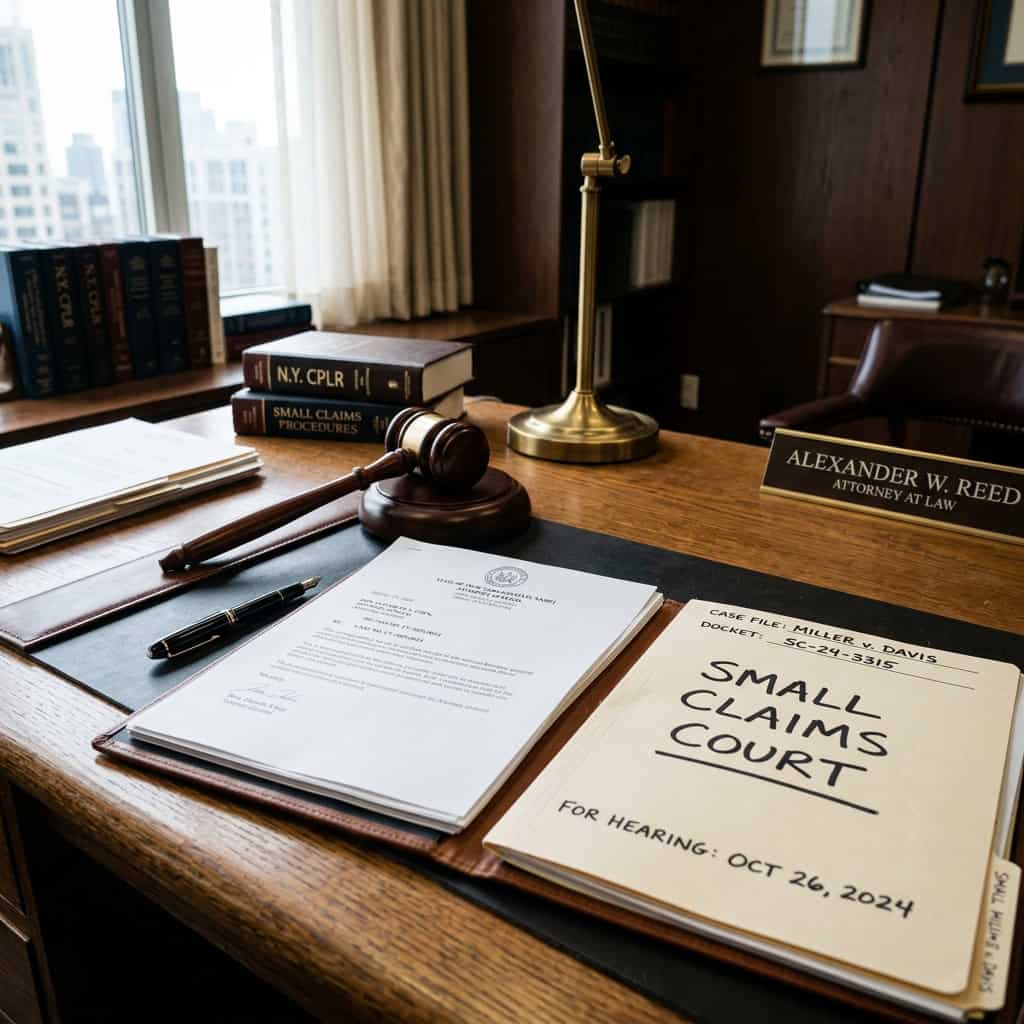
The BBB is just a mediator. If the company replies and says, “No, we refuse to refund this customer,” the BBB will simply mark the complaint as “Answered” and close the case. You must escalate to a government agency or sue in small claims court.
Frequently Asked Questions
Does a business have to be BBB Accredited for me to file a complaint?
No. You can file a complaint against any business in the United States, whether they are a paying member of the BBB or not. The BBB will still contact them and post the unacknowledged complaint on their public profile.
Can I sue a company and file a BBB complaint at the same time?
No. The BBB will explicitly reject your complaint if you are currently involved in active litigation against the company. The BBB is designed as an alternative to court, not a supplement.
What happens if the company offers me a partial refund?
If they reply via the BBB offering a partial refund, you can click “Reject” and state why it is unacceptable. However, if the business has made a good-faith effort to resolve the dispute, the BBB may close the case as “Resolved” even if you are not fully satisfied.
- Better Business Bureau (BBB): The official portal to file a complaint against a business or read past complaints from other consumers. — BBB Complaint Portal
- National Association of Attorneys General: Directory to find your state’s Attorney General website if the business ignores your BBB complaint. — Find My AG
Before You Go: Citizen Protection Protocol
Protecting yourself against unlawful practices requires swift action, methodical documentation, and strict adherence to statutory deadlines. Preserve all original agreements, maintain contemporaneous call notes, and send formal correspondence via certified mail with return receipt requested.
HowToReport.org is an independent educational site — not a government agency. We link to official .gov and .org sources, but we cannot file a complaint for you or give legal advice. Read our full Legal Disclaimer & Safe Harbor →
Damages Under ,000? Check Your State Small Claims Limit
If administrative complaints fail to recover your financial losses, you can sue in local small claims court without expensive attorney fees. Select your state below for instant dollar limits and statutory deadlines:
Related Statutory Reporting Guides & Citizen Protections
Official step-by-step reporting protocols in this regulatory category.

Official sources
Use these official channels for your complaint — verify details on the agency site before you submit.
- Better Business Bureau — 1-703-276-0100 (Online 24/7)
- Official reporting portal
What happens next
- Most agencies send an acknowledgment or reference number — save it with your copies.
- Investigations vary by agency; complex cases can take weeks or months.
- If you do not hear back within the timeframe listed on the agency site, follow up in writing.
- Keep reporting to additional agencies if your issue crosses categories (for example, fraud plus billing).