
⚡ Quick Answer: How to Report Employer Paying Under the Table
- Immediate Action / Evidence Gathering: Keep a personal, dated log of daily hours worked, cash payments received, and discrepancies with paystubs.
- Primary Regulatory Channel: File a joint wage theft complaint with the US Department of Labor Wage and Hour Division (WHD) and submit Form 3949-A to the IRS.
- Enforceable Legal Remedy: Recover 100% of unpaid overtime and minimum wages plus an equal amount in liquidated statutory damages under 29 U.S.C. § 216(b).
⚖️ Facing Damages or Unreturned Funds Under $25,000?
Check your state small claims court dollar ceiling, statutes of limitations, and attorney representation rules.
How Do I Report an Employer Paying Under the Table?
Report employers paying wages under the table to both the Internal Revenue Service and your state labor department. Submit Form 3949-A to the IRS to detail the unreported income and tax evasion. State agencies investigate cash-only payrolls to enforce workers’ compensation requirements, minimum wage laws, and unemployment insurance contributions.
- Gather Evidence: Maintain a personal log of hours worked and collect any cash envelopes, text messages, or unofficial pay stubs provided.
- File Your Report: Submit a complaint through your state labor board website and file an information referral form with the federal tax authority.
- Follow Up: Cooperate with state investigators and consult an employment attorney to recover any denied overtime pay or associated legal damages.
{
“@context”: “https://schema.org”,
“@graph”: [
{
“@type”: “HowTo”,
“name”: “How to Report Employer Paying Under the Table: Tax & Wage Fraud”,
“totalTime”: “PT10M”,
“estimatedCost”: {
“@type”: “MonetaryAmount”,
“currency”: “USD”,
“value”: “0”
},
“step”: [
{
“@type”: “HowToStep”,
“position”: 1,
“name”: “Step 1”,
“text”: “Download IRS Form 3949-A from irs.gov .”
},
{
“@type”: “HowToStep”,
“position”: 2,
“name”: “Step 2”,
“text”: “Under Section B (Type of Allegation), check ‘Wages Paid in Cash’ and ‘Failure to Withhold Tax’ .”
},
{
“@type”: “HowToStep”,
“position”: 3,
“name”: “Step 3”,
“text”: “Provide the business legal name, Employer Identification Number (EIN if known), physical address, and estimated total unreported cash payroll.”
},
{
“@type”: “HowToStep”,
“position”: 4,
“name”: “Mail the completed referral via USPS Certified Mail to”,
“text”: “Internal Revenue Service Fresno South Processing Center, Fresno, CA 93888 .”
}
],
“description”: “Learn how to report an employer paying under the table. File IRS Form 3949-A, lodge wage theft claims with the DOL, and protect your Social Security benefits.”
},
{
“@type”: “FAQPage”,
“mainEntity”: [
{
“@type”: “Question”,
“name”: “Will I get in trouble with the IRS if I report my cash wages?”,
“acceptedAnswer”: {
“@type”: “Answer”,
“text”: “Workers who proactively report cash wages by filing Form 8919 and reporting income on Form 1040 are viewed by the IRS as complying with the law. Penalties and interest target the employer who failed to withhold and remit payroll taxes.”
}
},
{
“@type”: “Question”,
“name”: “Can I report an employer anonymously?”,
“acceptedAnswer”: {
“@type”: “Answer”,
“text”: “Yes. You can complete IRS Form 3949-A without providing your name or Social Security Number. However, filing anonymously prevents you from receiving IRS Whistleblower awards under Form 211.”
}
},
{
“@type”: “Question”,
“name”: “How does the IRS determine if I am an employee or an independent contractor?”,
“acceptedAnswer”: {
“@type”: “Answer”,
“text”: “The IRS uses the Common Law Rules , analyzing Behavioral Control (does the boss direct when, where, and how you work?), Financial Control (who provides tools and supplies?), and Relationship Type (is the work permanent and integral to the business?).”
}
}
]
}
]
}
To report an employer paying off-the-books cash wages or misclassifying employees as 1099 independent contractors, submit IRS Form 3949-A (Information Referral) to the IRS Fresno Center or file a wage theft complaint with the US Department of Labor Wage and Hour Division (WHD) at 1-866-487-9243 . To recover your unpaid Social Security and Medicare credits without paying employer tax penalties, file IRS Form 8919 with your tax return.
Learning how to report an employer paying under the table protects your fundamental labor rights, retirement safety net, and healthcare benefits. When an employer pays cash off the books or illegally misclassifies full-time staff as 1099 contractors, they evade Federal Insurance Contributions Act (FICA) taxes, federal income tax withholding, unemployment insurance premiums, and workers’ compensation coverage. While cash wages may seem convenient upfront, victims of under-the-table payrolls are left with zero disability protection, reduced Social Security retirement credits, and denied unemployment benefits if laid off.
Federal law strictly prohibits employers from firing, demoting, cutting hours, or threatening the immigration status of any worker who reports wage violations or cooperates with a tax investigation. If an employer retaliates, you can file a complaint with OSHA Whistleblower Protection within 30 to 180 days to secure mandatory reinstatement and double back-pay damages.
The Hidden Costs of Being Paid Under the Table
Working off the books strips employees of statutory social safety nets established under federal law.
Because the employer pays no state unemployment tax (SUTA), state agencies have zero wage records to approve weekly jobless benefits.
Unreported wages yield zero Social Security quarters of coverage, permanently reducing your lifetime monthly retirement and disability payments.
Employers operating off the books rarely carry workers’ compensation insurance, leaving injured workers with massive medical bills.
Where to Report: Agency Escalation Matrix
Different agencies investigate payroll tax fraud, wage theft, and worker misclassification.
- Focus: Unpaid FICA, Medicare, federal income tax evasion.
- Forms: Form 3949-A (Referral), Form SS-8 (Status), Form 8919 (Taxes).
- Remedy: Audits employer, collects back payroll taxes and penalties.
- Focus: Fair Labor Standards Act (FLSA) minimum wage and overtime.
- Hotline: 1-866-487-9243 / dol.gov/whd.
- Remedy: Recovers unpaid overtime and liquidated back-wages.
- Focus: State payroll tax evasion and uninsured workplace violations.
- Portal: State Department of Labor / Industrial Relations Board.
- Remedy: Issues Stop-Work Orders and assesses state civil fines.
Step-by-Step Guide to Reporting an Employer Paying Under the Table
Follow these 5 steps to establish evidence, protect your personal tax status, and trigger official regulatory audits.

Step 1: Documenting Working Hours & Cash Wage Payments
Before leaving the job or reporting the employer, compile an independent audit trail:
- Personal Work Log: Record exact start/end times, lunch breaks, and total weekly hours worked in a personal notebook or digital spreadsheet.
- Proof of Cash / Check Payments: Photograph pay envelopes, cash withdrawal slips, Venmo/Zelle transfers, or personal checks from the employer’s personal account.
- Proof of Employment: Text messages directing daily tasks, work schedules, uniform badges, client invoices, or delivery logs showing you performed labor.
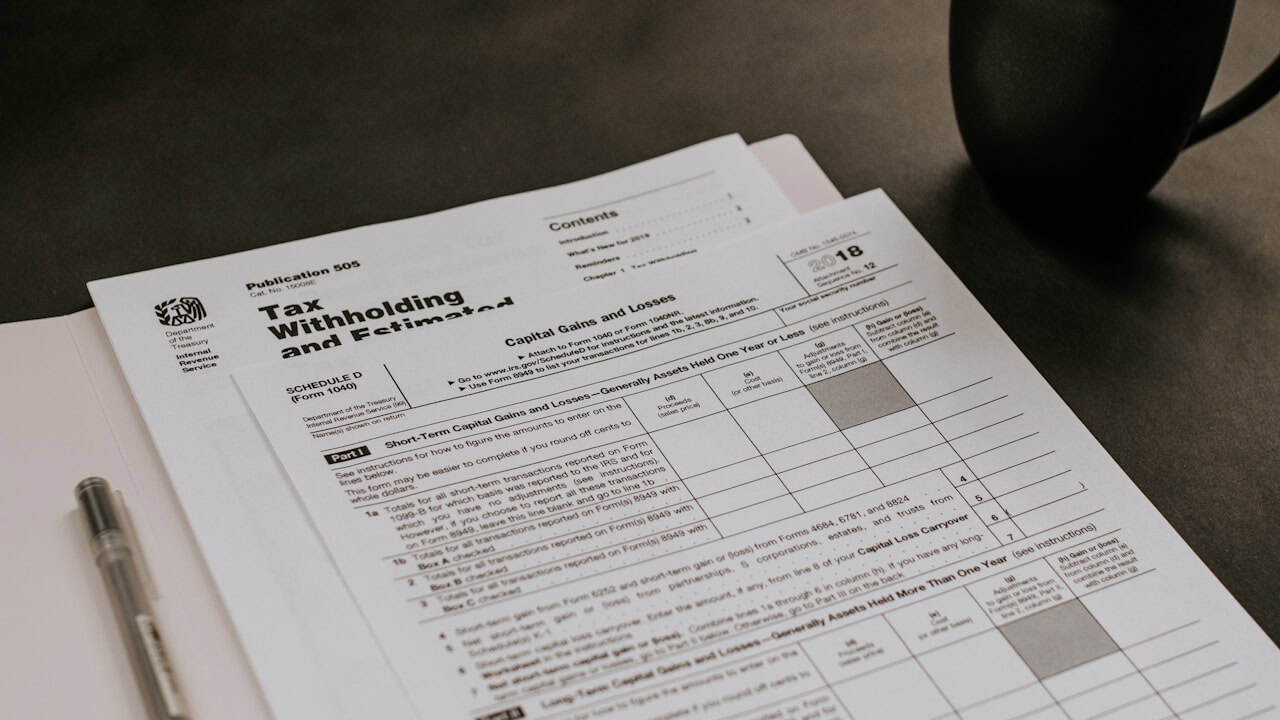
Step 2: Submitting IRS Form 3949-A (Information Referral)
To report the employer’s failure to withhold federal employment taxes:
- Download IRS Form 3949-A from
irs.gov. - Under Section B (Type of Allegation), check “Wages Paid in Cash” and “Failure to Withhold Tax”.
- Provide the business legal name, Employer Identification Number (EIN if known), physical address, and estimated total unreported cash payroll.
- Mail the completed referral via USPS Certified Mail to: Internal Revenue Service Fresno South Processing Center, Fresno, CA 93888.
Step 3: Filing IRS Form SS-8 & Form 8919 to Protect Your Benefits
If your employer treated you as an independent contractor or paid cash without issuing a W-2:
- File Form SS-8: Submit Determination of Worker Status for Purposes of Federal Employment Taxes to request an official IRS ruling that you were a common-law employee.
- File Form 8919: File Uncollected Social Security and Medicare Tax on Wages with your Form 1040 tax return. This allows you to pay only your employee share of FICA taxes (7.65%) while holding the employer liable for their matching 7.65% share, ensuring your Social Security earnings credits are properly logged.

Step 4: Filing a Wage Theft Complaint with the US Department of Labor
If your employer failed to pay minimum wage or 1.5x overtime for hours worked over 40 per week:
- Call the DOL Wage and Hour Division at 1-866-487-9243 or submit a complaint online at dol.gov/whd.
- The WHD conducts investigations without disclosing the complainant’s name to the employer.
- If violations are found, the DOL will order the employer to pay 100% of back wages plus an equal amount in liquidated damages.
Step 5: Claiming Whistleblower Bounties for High-Value Payroll Fraud
If you have insider evidence of systematic, company-wide payroll tax evasion exceeding $2 Million in dispute, submit IRS Form 211 (Application for Award for Original Information) to the IRS Whistleblower Office under 26 U.S. Code § 7623. Whistleblowers can receive 15% to 30% of all taxes, penalties, and interest collected.
Evidence Preparation Checklist & Submission Roadmap
Follow this 4-stage action roadmap to report off-the-books employers safely.
Preserve work logs, text messages, cash envelopes, and digital transfer receipts.
Mail Form 3949-A to report employer tax evasion to the IRS Fresno Center.
Lodge wage theft and overtime complaints with the US DOL and State Labor Board.
File Form SS-8 and Form 8919 to restore your Social Security earnings credits.
Formal IRS Form 3949-A Transmittal Cover Letter Template
When mailing your evidence package to the IRS, attach this formal transmittal letter:
TO: Internal Revenue Service, Fresno South Processing Center, Fresno, CA 93888
DATE: [Enter Date]
RE: Confidential Tax Fraud Referral under IRC § 7623 (Form 3949-A Enclosed)
Target Business: [Company Name & DBA]
Target EIN / SSN: [Employer Tax ID if known]
Target Business Address: [Full Physical Address of Employer]
Dear IRS Referral Committee,
Enclosed please find Form 3949-A detailing substantial, deliberate payroll tax fraud and employee misclassification committed by [Employer Name].
1. Summary of Violations:
The target entity routinely pays employees off the books in cash to evade Federal Income Tax withholding, FICA taxes, and FUTA unemployment contributions.
2. Attached Substantiating Evidence:
– Itemized work hours logs and schedule printouts.
– Photographs of weekly cash pay envelopes and digital payment receipts.
– Text messages directing daily work assignments and compensation agreements.
3. Confidentiality Invocation:
I request strict confidentiality regarding my identity pursuant to 26 U.S. Code § 6103.
Respectfully submitted,
[Your Name or ‘Confidential Informant’]
[Contact Phone & Address]

Common Myths vs. Legal Realities About Cash Wages
Fact: Employers can pay in cash legally provided taxes are withheld and paystubs/W-2s are issued. It is only illegal when taxes are evaded.
Filing Form 8919 allows you to pay only your employee share of FICA (7.65%) while forcing the employer to pay the unpaid balance.
Fact: The US Department of Labor enforces FLSA wage rights regardless of immigration status and works with DHS to provide Deferred Action.
Under 26 U.S.C. § 7623, individuals providing original evidence of major tax fraud are entitled to statutory bounties.
Frequently Asked Questions
Will I get in trouble with the IRS if I report my cash wages?
Workers who proactively report cash wages by filing Form 8919 and reporting income on Form 1040 are viewed by the IRS as complying with the law. Penalties and interest target the employer who failed to withhold and remit payroll taxes.
Can I report an employer anonymously?
Yes. You can complete IRS Form 3949-A without providing your name or Social Security Number. However, filing anonymously prevents you from receiving IRS Whistleblower awards under Form 211.
How does the IRS determine if I am an employee or an independent contractor?
The IRS uses the Common Law Rules, analyzing Behavioral Control (does the boss direct when, where, and how you work?), Financial Control (who provides tools and supplies?), and Relationship Type (is the work permanent and integral to the business?).
- IRS Tax Fraud Referral: Form 3949-A Information Referral — IRS Tax Fraud Activity
- US Department of Labor: Wage and Hour Division Complaint Portal — DOL Wage Complaints
- OSHA Whistleblower Protection Program: Anti-Retaliation Rights — whistleblowers.gov
- IRS Worker Classification: Form SS-8 Guidelines — IRS Form SS-8
Before You Go: Citizen Protection Protocol
Protecting yourself against unlawful practices requires swift action, methodical documentation, and strict adherence to statutory deadlines. Preserve all original agreements, maintain contemporaneous call notes, and send formal correspondence via certified mail with return receipt requested.
HowToReport.org is an independent educational site — not a government agency. We link to official .gov and .org sources, but we cannot file a complaint for you or give legal advice. Read our full Legal Disclaimer & Safe Harbor →
Damages Under ,000? Check Your State Small Claims Limit
If administrative complaints fail to recover your financial losses, you can sue in local small claims court without expensive attorney fees. Select your state below for instant dollar limits and statutory deadlines:
Related Statutory Reporting Guides & Citizen Protections
Official step-by-step reporting protocols in this regulatory category.



Official sources
Use these official channels for your complaint — verify details on the agency site before you submit.
- IRS + U.S. Department of Labor — 1-800-829-0433 (Mon–Fri 7am–7pm local time)
- Official reporting portal
What happens next
- Most agencies send an acknowledgment or reference number — save it with your copies.
- Investigations vary by agency; complex cases can take weeks or months.
- If you do not hear back within the timeframe listed on the agency site, follow up in writing.
- Keep reporting to additional agencies if your issue crosses categories (for example, fraud plus billing).
1 thought on “How to Report Employer Paying Under the Table: Tax & Wage Fraud”