⚡ Quick Answer: How to Report Solar Panel Fraud
- Immediate Action / Rescission Window: Exercise your statutory 3-day FTC cooling-off cancellation right (or state-specific 5-to-7 day solar rescission period) via USPS Certified Mail before installation commences.
- Primary Regulatory Agencies: State Attorney General Consumer Protection Division, State Contractor Licensing Board (e.g., CSLB in CA, ROC in AZ), and the Consumer Financial Protection Bureau (CFPB) for predatory lending.
- Statutory / Legal Remedy: Contractual cancellation, removal of mechanic’s liens, restitution for property damage, and treble damages under state Deceptive Trade Practices Acts (DTPA).
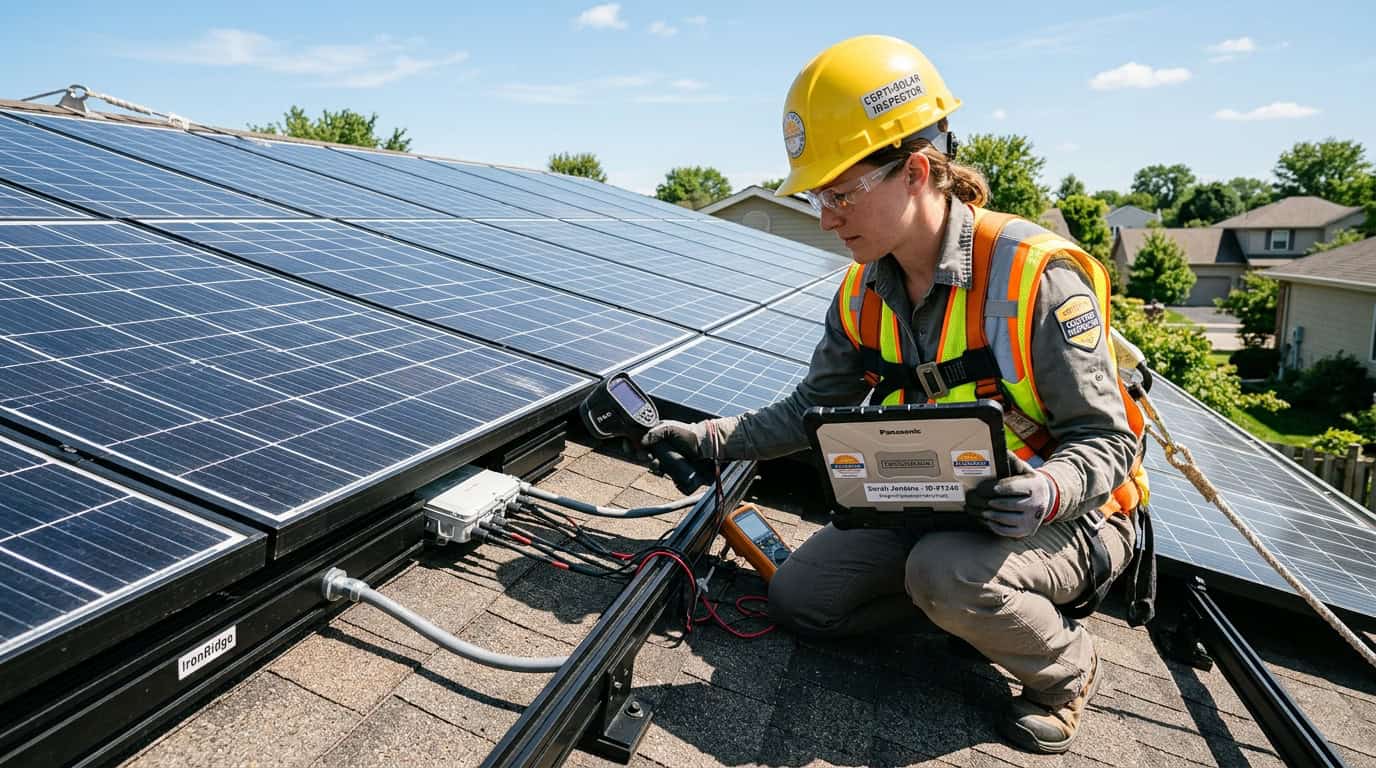
Across the United States, homeowners are increasingly targeted by aggressive door-to-door solar salesmen promising “free government solar panels,” zero-dollar electric bills, and guaranteed federal rebates. In reality, thousands of consumers discover they have been locked into 25-year Power Purchase Agreements (PPAs) or high-interest UCC-1 fixture loan agreements totaling $40,000 to $80,000—often with forged electronic signatures, non-functioning inverters, and damaged roofs. Knowing how to report solar panel sales fraud is essential to escaping predatory financing and compelling regulatory enforcement.
Residential solar installations span multiple regulatory jurisdictions: state contractor licensing bodies govern physical rooftop construction and electrical safety, while state attorneys general and the CFPB regulate truth-in-lending disclosures and deceptive marketing. When an installer misrepresents utility savings, falsifies income figures on loan applications, or abandons an unpermitted system, administrative complaints provide the legal leverage required to void financing agreements. This guide delivers the regulatory escalation roadmap, statutory rescission protocols, and formal legal dispute templates.
Deceptive Tactics in the Residential Solar Industry
Solar fraud typically operates through a coordinated partnership between aggressive marketing sales organizations and non-bank point-of-sale financing lenders. Common deceptive practices include:
- The “Free Government Program” Fallacy: Sales representatives falsely claiming affiliation with the federal government, state public utility commissions, or local power companies, claiming homeowners are legally obligated or selected for a “state subsidized solar mandate.”
- Forged DocuSign Contracts & Hidden Financing: Sales reps filling out electronic credit applications using fake email addresses or forging digital signatures on 25-year promissory notes with escalators that double annual payments over time.
- Exaggerated Utility Offset & Electric Bill Guarantees: Promising that the system will produce 100% of the home’s power and eliminate electric bills, while concealing that the local utility charges mandatory minimum grid connection fees and non-bypassable rates.
- Unlicensed Subcontractors & Roof Penetration Damage: Hiring unvetted, unlicensed crews who cause severe structural roof leaks, violate municipal fire setback clearances, and fail electrical building inspections.
- UCC-1 Fixture Filings & Title Encumbrances: Lenders placing liens on real property records without statutory disclosures, preventing homeowners from refinancing or selling their properties.
⚖️ Facing Disputed Solar Balances Under $15,000?
Look up small claims court limits, statute of limitations, and contractor bond claims in your state.

Statutory Cancellation Rights and the FTC Cooling-Off Rule
Under the Federal Trade Commission’s Cooling-Off Rule (16 CFR Part 429), any home-solicited sale exceeding $25 gives the consumer an absolute, non-waivable statutory right to cancel the agreement within **three business days** of signing, with zero penalty and a full refund of all deposits within 10 days.

Additionally, many states provide extended statutory cancellation windows specifically for residential solar contracts (e.g., California Civil Code § 1689.5 et seq. provides 5 business days for senior citizens and solar buyers). If the solar sales representative failed to provide a dual-copy statutory Notice of Cancellation form with exact date disclosures, the cancellation period **remains open indefinitely** under federal law until proper statutory disclosure is furnished.

Where to Report Solar Panel Sales Fraud
To dismantle both the physical contractor agreement and the underlying financial loan, submit formal complaints across these verified regulatory bodies:
- State Contractor Licensing Board: File against the primary contractor’s license number (e.g., CSLB in California, ROC in Arizona, DBPR in Florida). Licensing boards possess administrative authority to suspend operating licenses, order complete site restitution, and pay claims from statutory recovery funds.
- Consumer Financial Protection Bureau (CFPB): If the lender charged unauthorized upfront fees, engaged in deceptive interest rate disclosures, or failed to honor dispute notices, file at consumerfinance.gov/complaint.
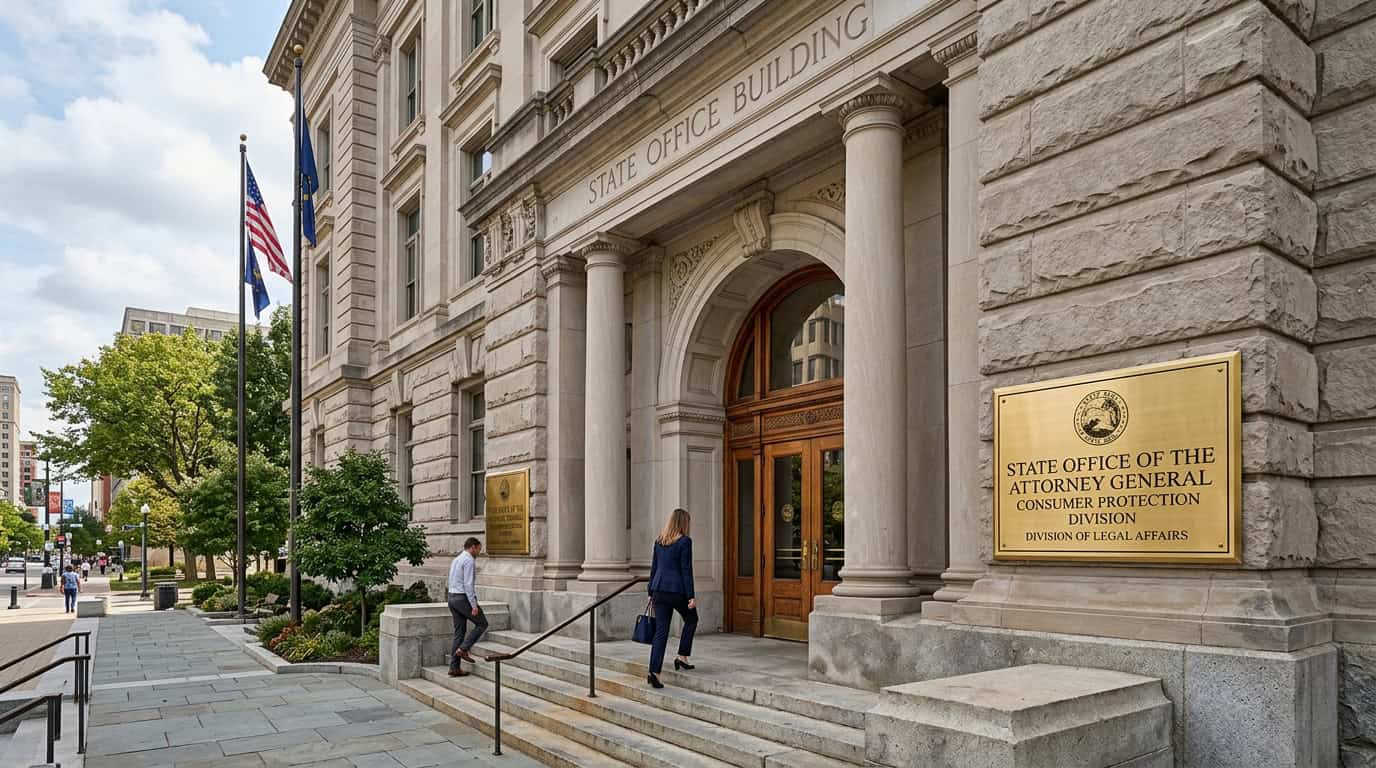
- State Attorney General Consumer Protection Division: State AGs actively investigate deceptive door-to-door solar sales operations. State AG complaints create administrative pressure that frequently compels lenders to cancel financing contracts.
- Federal Trade Commission (FTC): Submit deceptive trade practices and Cooling-Off Rule violations to ReportFraud.ftc.gov.
If a solar contractor enrolled your residential parcel into a predatory Clean Energy (PACE) tax assessment without disclosure, see our protocol on How to Report Predatory Solar PACE Financing Liens & Property Tax Fraud.
Frequently Asked Questions
Can I cancel a solar contract if the salesperson misled me about utility savings or tax credits?
Under the FTC Cooling-Off Rule (16 C.F.R. Part 429), door-to-door sales contracts must include a statutory 3-day right of cancellation, and sellers must furnish duplicate cancellation forms. If the salesperson committed affirmative fraud, forged signatures, or misrepresented federal tax credits under Section 25D of the Internal Revenue Code, you have legal grounds for contract rescission under state Unfair and Deceptive Acts and Practices (UDAP) statutes, regardless of the 3-day window.
Who is liable for fraudulent solar financing: the installer or the finance company?
Under the FTC Holder in Due Course Rule (16 C.F.R. § 433.2), consumer credit contracts preserve all claims and defenses against the creditor that the buyer could assert against the seller. This means your finance company cannot legally force payments on a fraudulent or non-operational solar system; you can assert installer fraud directly against the lender and file complaints with the Consumer Financial Protection Bureau (CFPB).
What should I do if a solar company placed an unauthorized mechanic’s lien or UCC-1 filing on my home?
If a contractor files an unauthorized mechanic’s lien without performing approved work or obtaining building permits, demand an immediate formal release of lien in writing via certified mail citing state lien slander statutes. Concurrently submit complaints to the state contractor licensing board (e.g., CSLB in California, ROC in Arizona) and your county recorder’s office to challenge fraudulent property encumbrances.
Before you go…
Recovering from predatory solar contracts demands swift action before contractors record mechanic’s liens or lenders report missed payments to credit bureaus. By issuing dual certified rescission demands and filing simultaneous grievances with contractor licensing boards and financial watchdogs, you protect your property title and force deceptive operators to the bargaining table.
HowToReport.org is an independent educational site — not a government agency. We link to official .gov and .org sources, but we cannot file a complaint for you or give legal advice. Read our full Legal Disclaimer & Safe Harbor →
Damages Under ,000? Check Your State Small Claims Limit
If administrative complaints fail to recover your financial losses, you can sue in local small claims court without expensive attorney fees. Select your state below for instant dollar limits and statutory deadlines:
Related Statutory Reporting Guides & Citizen Protections
Official step-by-step reporting protocols in this regulatory category.
Evidence checklist
Gather these before you file — agencies handle cases faster when documentation is complete.
- Dates, times, and locations of each incident
- Names, phone numbers, email addresses, or business names involved
- Screenshots, emails, receipts, contracts, or photos that support your account
- Any reference, confirmation, or case numbers you already received
- A short written timeline of what happened and what outcome you want
What happens next
- Most agencies send an acknowledgment or reference number — save it with your copies.
- Investigations vary by agency; complex cases can take weeks or months.
- If you do not hear back within the timeframe listed on the agency site, follow up in writing.
- Keep reporting to additional agencies if your issue crosses categories (for example, fraud plus billing).