How to Report Credit Bureau Errors & Identity Theft: FCRA Dispute Guide
Independent Educational Publisher: HowToReport.org is an independent public educational site — not a government agency, law enforcement department, or legal practice. Official complaints must be filed directly with verified .gov portals. Full Legal Disclaimer & Safe Harbor →
In this guide8 sections›
Published by: HowToReport Site Owner•Production: AI-assisted research, human-edited•Last reviewed: September 24, 2026•Primary Sources: Official .gov Portals & Codes•Editorial Methodology →
Editorial Transparency: Published by the HowToReport Site Owner. AI-assisted research and drafting; manually edited and source-checked against primary government sources by the independent site owner. Not legal advice and not attorney-reviewed unless a named reviewer is expressly identified.
⚡ Quick Answer: How to Report Credit Bureau Errors
Mandatory Pre-Suit Action: File a formal written dispute with the credit bureau via USPS Certified Mail (609 Dispute Letter) to trigger their 30-day investigation clock.
Primary Regulatory Agency: File complaints with the Consumer Financial Protection Bureau (CFPB) if the bureau fails to correct the error.
Statutory Civil Remedy: The Fair Credit Reporting Act (FCRA) allows consumers to sue bureaus or creditors in federal court for statutory damages up to $1,000, plus actual damages and attorney fees.
A pristine credit score dictates your ability to rent an apartment, buy a home, and secure a job. But when Equifax, Experian, or TransUnion refuse to remove fraudulent accounts caused by identity theft, knowing exactly how to report credit bureau errors and force compliance under federal law is absolutely essential.
Many consumers make the mistake of disputing errors online, blindly accepting automated rejections. Under the Fair Credit Reporting Act (FCRA), credit bureaus have 30 days to conduct a reasonable investigation. If they fail to do so, they are liable for civil damages.
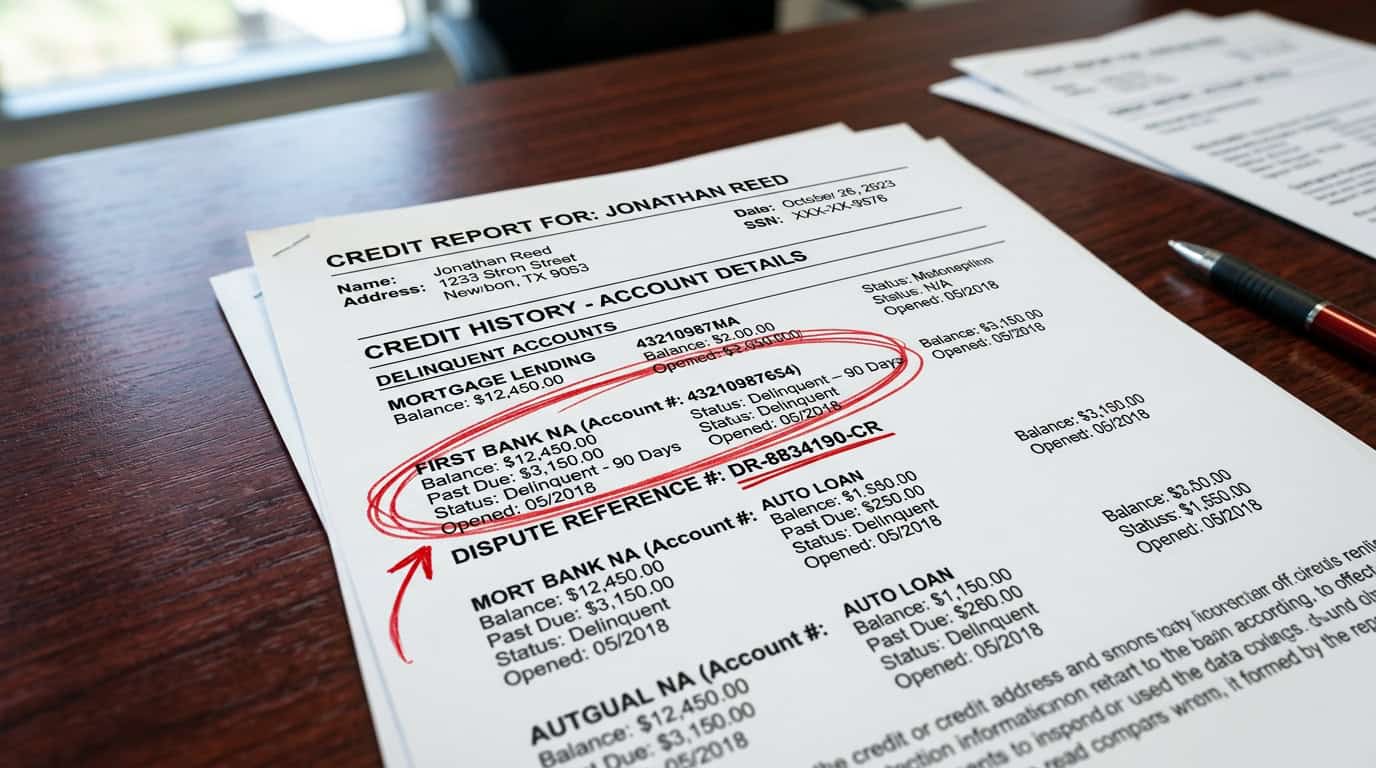
Figure 1: Reviewing erroneous tradeline data and circling disputed items prior to formal dispatch.
</div
>
Advertisement
Step 1: Obtain Your Official Annual Credit Reports
Before you can report an error, you need the official documentation. Do not rely on third-party monitoring apps like Credit Karma. You must pull your official, long-form credit reports directly from AnnualCreditReport.com, which is the only federally mandated source for free reports.
Review the reports line by line. Highlight any unknown addresses, hard inquiries you did not authorize, or trade lines (accounts) that belong to someone else. Identity theft often begins with a subtle address change.
⚖️ Facing Damages or Unreturned Funds Under $25,000?
Check your state small claims court dollar ceiling, statutes of limitations, and attorney representation rules.
The biggest mistake consumers make is using the credit bureaus’ online dispute portals. When you click “dispute online,” you often waive your right to a paper trail and consent to a fast, automated algorithmic review (e-OSCAR system) rather than a human investigation.
Under the Fair Credit Reporting Act, credit reporting agencies (Equifax, Experian, TransUnion) must investigate disputed items and notify you of the results within 30 calendar days. If the bureau fails to verify the disputed account with the original furnisher within this statutory window, they are legally required to promptly delete the item from your file.
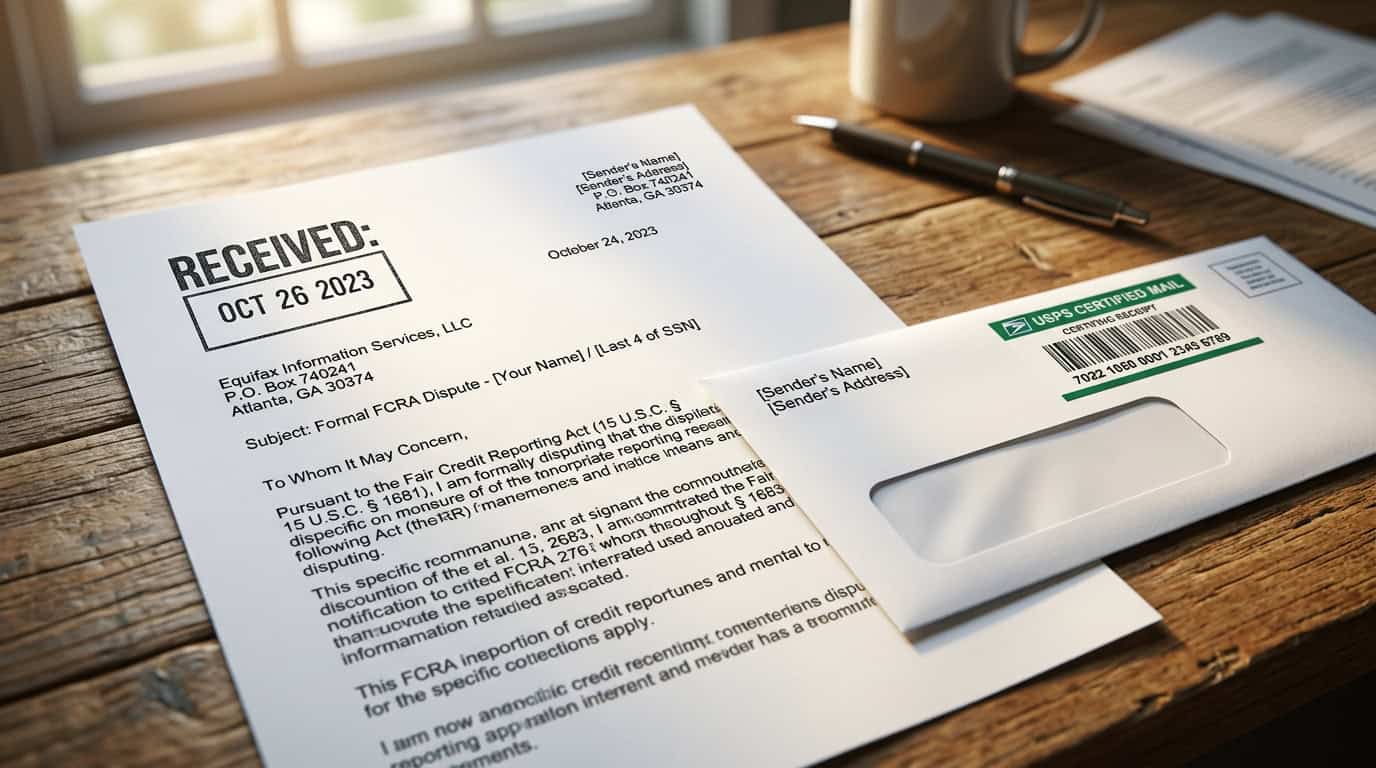
Instead, you must send a formal, physical dispute letter via USPS Certified Mail. This legally triggers the bureau’s 30-day window to investigate and respond.
📄 Formal Statutory Demand Notice
[Date]
SENT VIA USPS CERTIFIED MAIL — RETURN RECEIPT REQUESTED
Certified Mail Tracking No.: [USPS Tracking Number]
To:
[Equifax / Experian / TransUnion]
[Bureau Address]
This letter serves as formal statutory notice that I am the victim of identity theft. My federally protected credit file contains fraudulent trade lines and inaccurate inquiries resulting directly from this theft.
Pursuant to the Fair Credit Reporting Act (FCRA) § 605B, you are legally required to block the reporting of any information in my file that is the result of identity theft within four (4) business days of receiving this notice and the enclosed Identity Theft Report.
I am enclosing the following documentation:
1. FTC Identity Theft Report / Police Report
2. Copy of my driver’s license and utility bill proving my identity
3. A detailed list of the fraudulent accounts demanding immediate deletion
Demand is made for the immediate deletion of these items. Failure to conduct a reasonable investigation and block this fraudulent information will result in formal regulatory complaints to the Consumer Financial Protection Bureau (CFPB) and potential civil litigation seeking statutory damages and attorney’s fees.
Govern yourselves accordingly.
Sincerely,
[Your Name]
[Your Address]
[Your Phone]
🗺️ The FCRA Dispute Escalation Timeline
1
Day 1: Certified Mailing
You mail the Section 609 dispute letter and Identity Theft report via USPS Certified Mail.
2
Day 5: Receipt Confirmed
The bureau signs for the letter. The 30-day statutory investigation clock officially begins.
3
Day 35: Investigation Results
The bureau must mail you the results. If they verify the fraudulent debt without contacting the original creditor, they violated the FCRA.
4
Day 40: CFPB Escalation
If the dispute is rejected, you file a formal regulatory complaint with the CFPB.
Advertisement
Step 3: How to Report Credit Bureaus to the CFPB
Figure 3: Sending dispute notices via certified mail establishes indisputable receipt dates under federal law.
If the credit bureau responds stating the debt has been “verified” but you know it is fraudulent, your next step is to file a complaint with the Consumer Financial Protection Bureau (CFPB). The CFPB acts as the federal watchdog over credit reporting agencies.
Go to ConsumerFinance.gov and submit a detailed complaint. Attach your original certified mail receipt, your dispute letter, and the bureau’s rejection. When the CFPB flags an agency, it bypasses the low-level automated systems and goes directly to the bureau’s executive resolution team.
Step 4: Contact the Original Creditor (Furnisher)
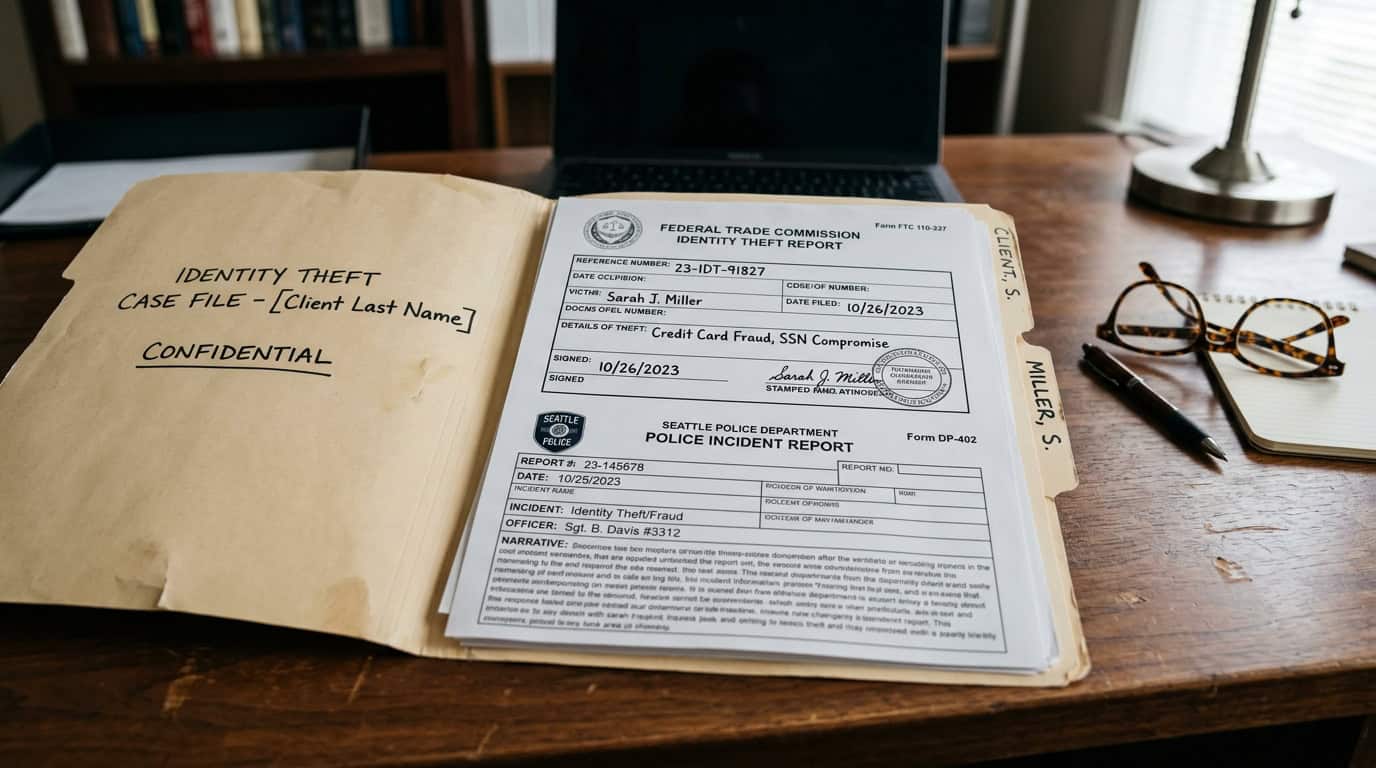
Figure 4: A formal Identity Theft Report triggers mandatory 4-business-day tradeline blocking under 15 U.S.C. § 1681c-2.
Under the FCRA, the company reporting the false information to the bureau (the “furnisher”) is just as liable as the bureau itself. You must send a direct written dispute to the original creditor (e.g., the bank or collection agency) demanding they cease reporting the fraudulent trade line.
⚠️ Credit Repair & FCRA Misconceptions
MYTH: Paying off a fraudulent collection account will improve my score.
FACT: False. Paying a collection updates its status to “Paid Collection,” which resets the reporting clock and severely damages your score for seven more years.
MYTH: I can pay a credit repair company to erase accurate negative marks.
FACT: False. No credit repair company can legally remove accurate, timely negative information. They simply send generic dispute letters you can send yourself.
MYTH: Checking my own credit lowers my score.
FACT: False. Checking your own report via AnnualCreditReport.com is a “soft pull” and has zero impact on your FICO score.
Step 5: File an FTC Identity Theft Report
If the errors are the result of identity theft, you must lock your credit profile immediately. Visit IdentityTheft.gov, managed by the Federal Trade Commission (FTC), to generate an official Identity Theft Report. This document is a legally binding affidavit that forces credit bureaus to block fraudulent accounts within 4 business days under FCRA Section 605B.
When you file an official identity theft report at IdentityTheft.gov and serve it on the credit bureaus with proof of identity, § 605B of the FCRA compels the bureaus to permanently block the fraudulent trade lines within 4 business days. Creditors are strictly prohibited from continuing to report or sell the disputed debt.
Step 6: Initiate Federal FCRA Litigation
If you have sent certified dispute letters, filed a CFPB complaint, and provided an FTC Identity Theft report, yet the bureau still refuses to delete the false information, it is time to sue.
Consumer protection attorneys frequently take FCRA cases on contingency. Under the FCRA, if you win, the credit bureau must pay your attorney’s fees. You can sue for actual damages (e.g., being denied a mortgage due to the false report) plus statutory damages of up to $1,000 per violation.
🏛️ Credit Dispute Regulatory Agencies
Consumer Financial Protection Bureau (CFPB)
Federal agency that enforces the FCRA and penalizes credit bureaus for failing to investigate consumer disputes.
Federal Trade Commission (FTC)
Maintains IdentityTheft.gov and monitors systemic credit reporting abuses.
State Attorney General
Enforces state-level consumer protection acts against predatory debt collectors and furnishers.
Federal District Court
The venue where private citizens file civil lawsuits against Equifax, Experian, or TransUnion for FCRA violations.
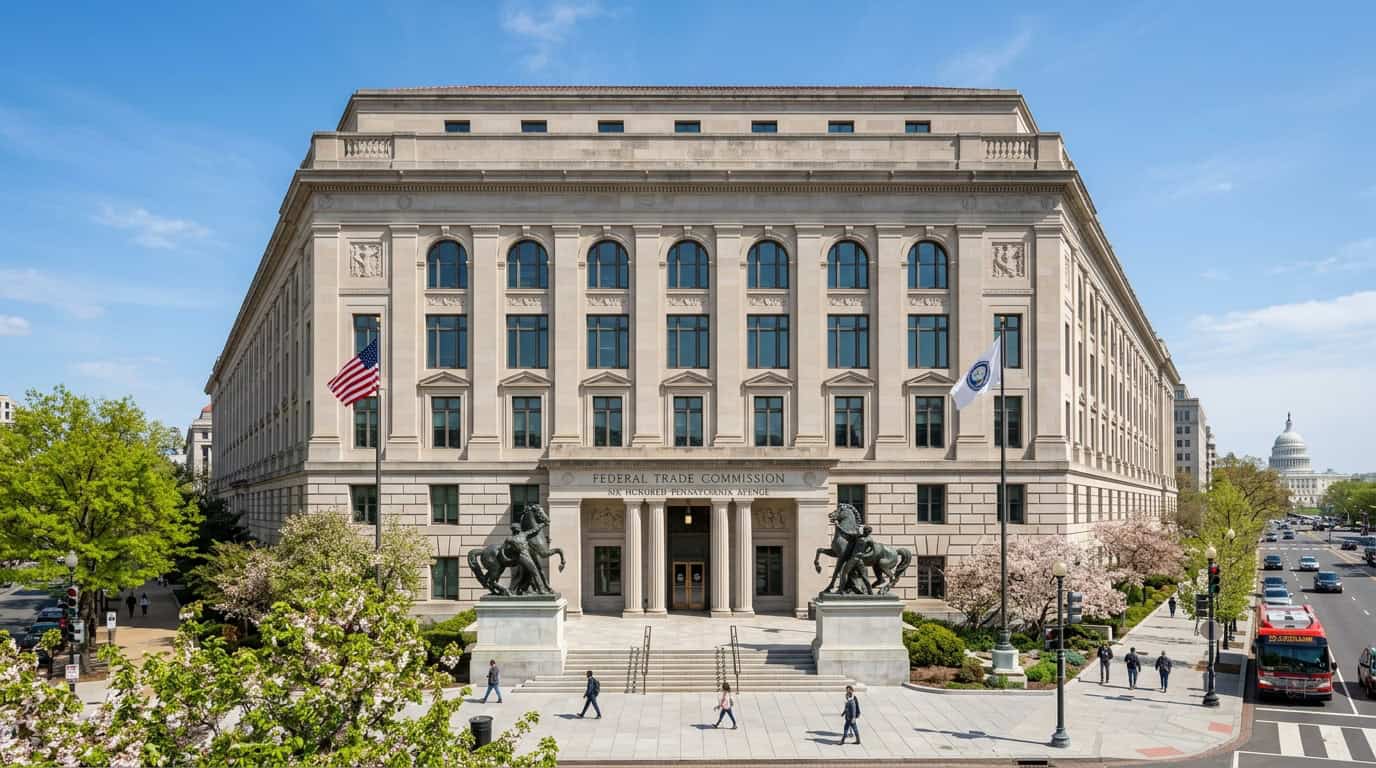
Figure 5: The FTC and CFPB enforce civil monetary penalties against furnishers failing to conduct reasonable investigations.
⚰️ Pre-Need Funeral Overcharges or Cemetery Reselling?
How long do credit bureaus legally have to investigate an FCRA dispute?
Under Section 611 of the Fair Credit Reporting Act (15 U.S.C. § 1681i), consumer reporting agencies (Equifax, Experian, TransUnion) have exactly thirty (30) calendar days from receipt of your dispute to conduct a reasonable reinvestigation, verify information with the furnishers, and provide written results. If the furnisher fails to verify the disputed trade line within 30 days, the bureau must promptly delete or permanently suppress the record.
What is an FTC Identity Theft Report and why is it legally binding?
An official Identity Theft Report created via IdentityTheft.gov serves as formal statutory verification under FCRA Section 605B. When submitted to credit bureaus alongside proof of identity, the bureaus are legally required to block fraudulent accounts and inquiries within four (4) business days, preventing furnishers from re-reporting the debt.
Can I sue a credit bureau or furnisher for refusing to correct inaccurate information?
Yes. Under FCRA Section 616 (15 U.S.C. § 1681n) for willful non-compliance and Section 617 (15 U.S.C. § 1681o) for negligent non-compliance, consumers can sue credit bureaus and data furnishers in federal or state court. Willful non-compliance entitles victims to statutory damages between $100 and $1,000 per violation, actual financial damages, punitive damages, and mandatory attorney’s fees.
Never rely on a phone call or an online web form to dispute severe credit errors. Protect your financial reputation by establishing a certified paper trail that proves the bureau willfully ignored your evidence. HowToReport.org is an independent educational site — not a government agency. We link to official .gov and .org sources, but we cannot file a complaint for you or give legal advice. Read our full Legal Disclaimer & Safe Harbor →
\u2696\ufe0f
Civil Justice & Statutory Monetary Recovery
Damages Under ,000? Check Your State Small Claims Limit
If administrative complaints fail to recover your financial losses, you can sue in local small claims court without expensive attorney fees. Select your state below for instant dollar limits and statutory deadlines:
Certified Mail Requirement: Always dispatch formal demands via USPS Certified Mail with Return Receipt Requested to ensure statutory admissibility in court.
Statutory Deadlines: Habitability emergency notices require 24–48 hour action; standard civil repair demands require 7–14 business days before court escrow.
Jurisdictional Order: Secure municipal inspection reports (311 or Code Enforcement) prior to filing formal administrative or small claims actions.
Statutory Notice: HowToReport.org is an independent public legal education directory. Statutory references cite public U.S. Code, Code of Federal Regulations, and state administrative rules. Consult licensed legal counsel for representation in judicial proceedings.
Researched & Edited by the Independent Publisher of HowToReport.org
Human-Curated Regulatory Research • AI-Assisted Drafting
HowToReport.org is operated by one independent site owner rather than a corporate newsroom, legal department, or panel of attorneys. Guides are created through AI-assisted research and drafting, then manually reviewed and edited against primary government (.gov) sources, the Code of Federal Regulations, and state statutes. Unless explicitly stated, content has not been reviewed by a licensed attorney and does not constitute individualized legal advice.
Need Specific Filing Rules & Regulators for Your State?
Statutes of limitations, small claims court filing limits, and state agency oversight vary widely across jurisdictions. Access verified State Attorney General portals, labor divisions, and contractor boards across all 50 states.



1 thought on “How to Report Credit Bureau Errors & Identity Theft: FCRA Dispute Guide”