How to Report Utility Monopolies: FCC & State PUC Telecom Dispute Guide
Independent Educational Publisher: HowToReport.org is an independent public educational site — not a government agency, law enforcement department, or legal practice. Official complaints must be filed directly with verified .gov portals. Full Legal Disclaimer & Safe Harbor →
In this guide7 sections›
Published by: HowToReport Site Owner•Production: AI-assisted research, human-edited•Last reviewed: September 24, 2026•Primary Sources: Official .gov Portals & Codes•Editorial Methodology →
Editorial Transparency: Published by the HowToReport Site Owner. AI-assisted research and drafting; manually edited and source-checked against primary government sources by the independent site owner. Not legal advice and not attorney-reviewed unless a named reviewer is expressly identified.
⚡ Quick Answer: How to Report Utility Monopolies
Mandatory Action: File an administrative dispute directly with the utility company before they initiate a shutoff.
Primary Regulatory Agency: File formal complaints with your State Public Utilities Commission (PUC) and the Federal Communications Commission (FCC).
Statutory Remedy: Filing a PUC complaint places a legal hold on disconnections while the billing dispute is actively investigated.
Dealing with massive telecommunications companies, internet service providers (ISPs), and power monopolies can feel impossible. When you face illegal cramming charges, bait-and-switch internet pricing, or unlawful power disconnections, knowing how to report utility monopolies to the proper regulatory commissions is your only leverage.
Utility companies rely on the fact that consumers don’t know who regulates them. By escalating your billing dispute to the FCC or your State PUC, you force the company’s executive escalation team to intervene.
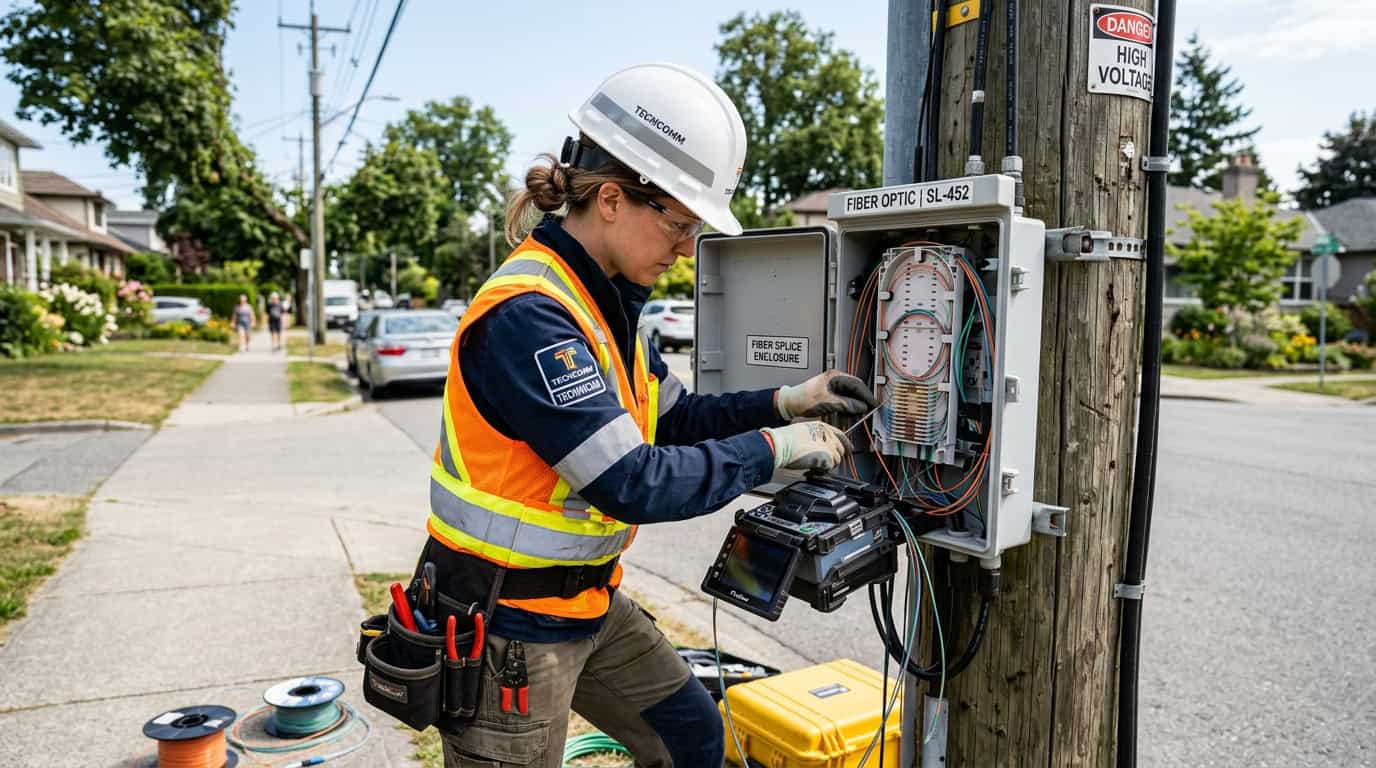
Figure 1: Fiber and broadband physical infrastructure are regulated under state public utility codes.
</div
>
Advertisement
Step 1: Dispute the Bill to Prevent Disconnection
Never simply stop paying your bill in protest. If you do, the utility can legally shut off your service. Instead, you must formally dispute the specific fraudulent charges in writing while continuing to pay the undisputed baseline amount.
⚠️ SHUTOFF MORATORIUM RULES: MEDICAL BASELINE & WINTER TEMPERATURE PROTECTIONS
Most state Public Utility Commissions prohibit regulated electric and natural gas utilities from disconnecting residential service when forecasted temperatures drop below freezing (or exceed 95°F–100°F). If someone in your residence has a certified medical condition requiring powered equipment, your utility is legally prohibited from shutting off power once a certified physician statement is logged.
Under most state laws, a utility company cannot disconnect your essential services (water, power) while a formal, documented billing dispute is pending review by the state regulatory board.
⚖️ Facing Damages or Unreturned Funds Under $25,000?
Check your state small claims court dollar ceiling, statutes of limitations, and attorney representation rules.
Step 2: How to Report ISPs and Telecoms to the FCC
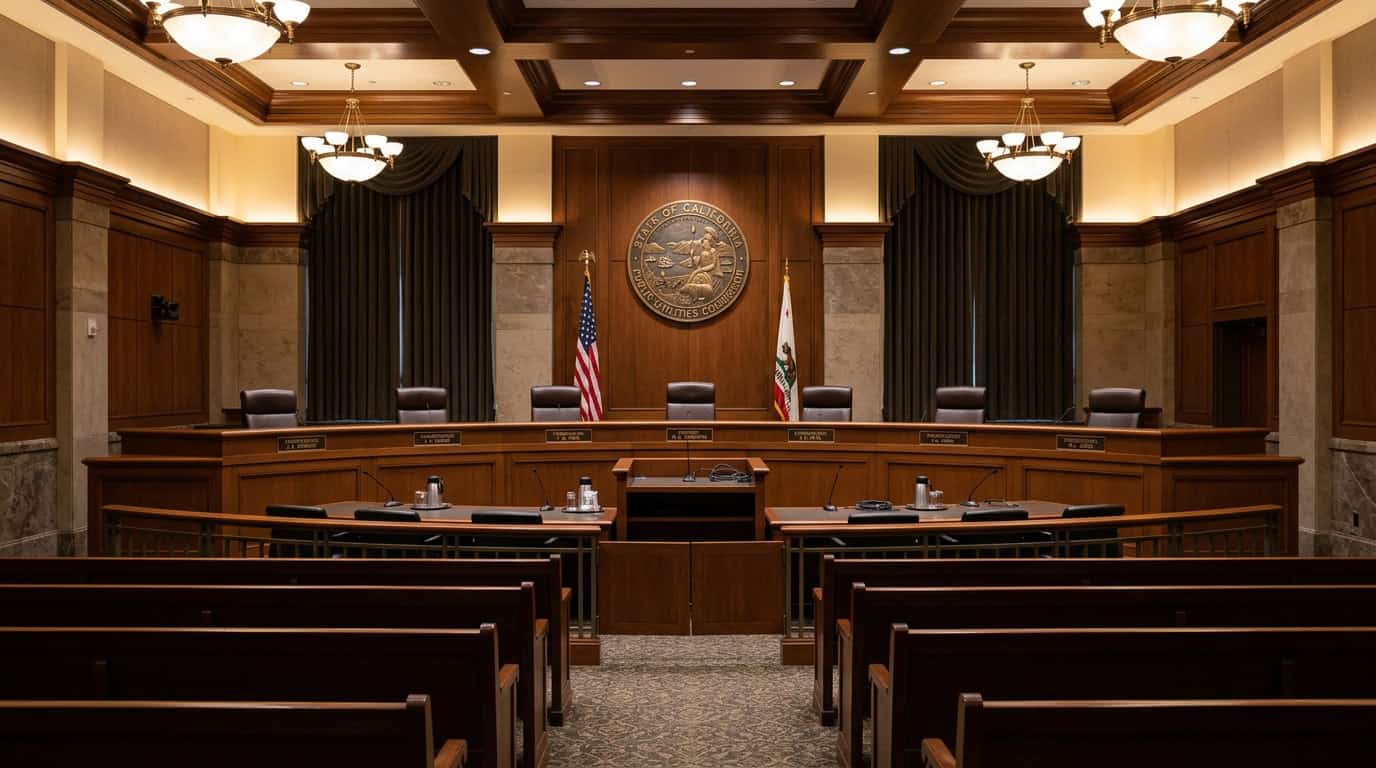
Figure 2: State PUC commissioners hold quasi-judicial authority to conduct formal tariff and billing dispute proceedings.
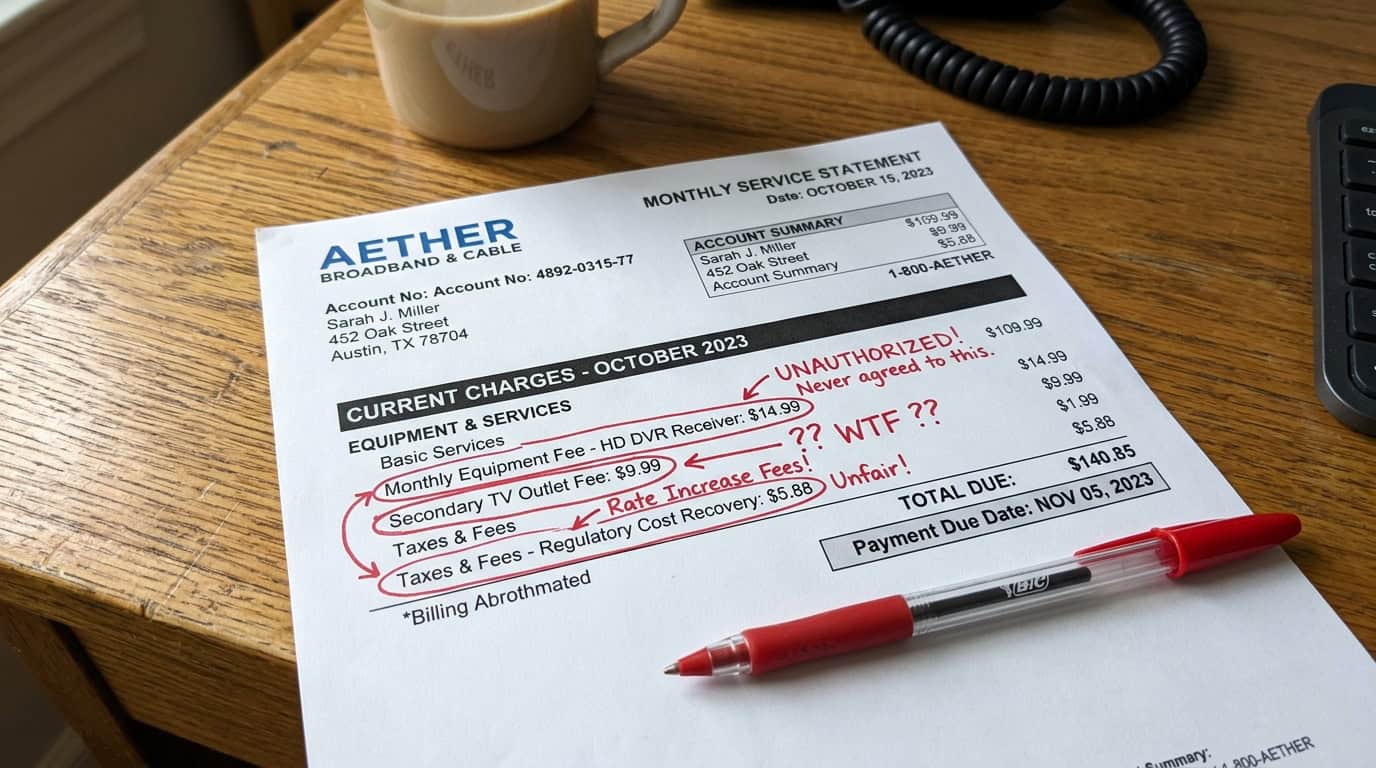
If your dispute involves an internet service provider (ISP), cellular carrier, or cable company, the Federal Communications Commission (FCC) is your primary weapon. This includes issues like “cramming” (unauthorized third-party charges), “slamming” (switching your carrier without consent), or failure to deliver advertised internet speeds.
Under 47 CFR § 1.717, filing an informal consumer complaint with the FCC legally compels your telecom or broadband carrier to serve a written response upon both you and the FCC within 30 calendar days. Complaints must be routed through executive escalations, bypassing frontline overseas call center tiers.
Go to consumercomplaints.fcc.gov and submit your evidence. The FCC serves the complaint on the telecom provider, legally requiring them to respond to you in writing within 30 days. This bypasses front-line customer service and connects you directly with the Office of the President at companies like Comcast or AT&T.
🗺️ The Utility Dispute Resolution Path
1
Phase 1: Written Dispute
You mail a formal billing dispute to the utility to establish a paper trail and prevent immediate shutoffs.
2
Phase 2: PUC / FCC Complaint
You escalate the dispute to the state Public Utilities Commission or the federal FCC.
3
Phase 3: Executive Resolution
The regulatory complaint forces the utility’s executive team to audit your account.
4
Phase 4: Hearing or Refund
The agency orders a refund, or you request a formal administrative hearing before an administrative law judge.
Advertisement
Step 3: How to Report Power and Water to the State PUC
The FCC does not regulate local water, gas, or electric companies. These monopolies are governed exclusively by your state’s Public Utilities Commission (PUC) or Public Service Commission (PSC).
If your electric company hits you with a massive, unexplained “true-up” bill, or attempts to shut off power during extreme weather (which is illegal in many states), you must file a complaint with the PUC. The PUC has the authority to audit the meter reading, enforce extreme weather protections, and issue heavy fines against the utility.
⚠️ Utility & Telecom Monopolies Misconceptions
MYTH: The power company can shut off my electricity at any time.
FACT: False. Most states require 10 to 15 days written notice, and strictly prohibit shutoffs during freezing temperatures or extreme heatwaves.
MYTH: I have to pay early termination fees if the ISP doesn’t deliver promised speeds.
FACT: False. If an ISP materially breaches the contract by failing to deliver advertised speeds, you can file an FCC complaint to void the ETF.
MYTH: The PUC only handles rate hikes, not individual complaints.
FACT: False. Every state PUC has a dedicated Consumer Assistance Division designed specifically to mediate individual billing disputes and prevent shutoffs.
Step 4: Invoke Medical Baseline Protections
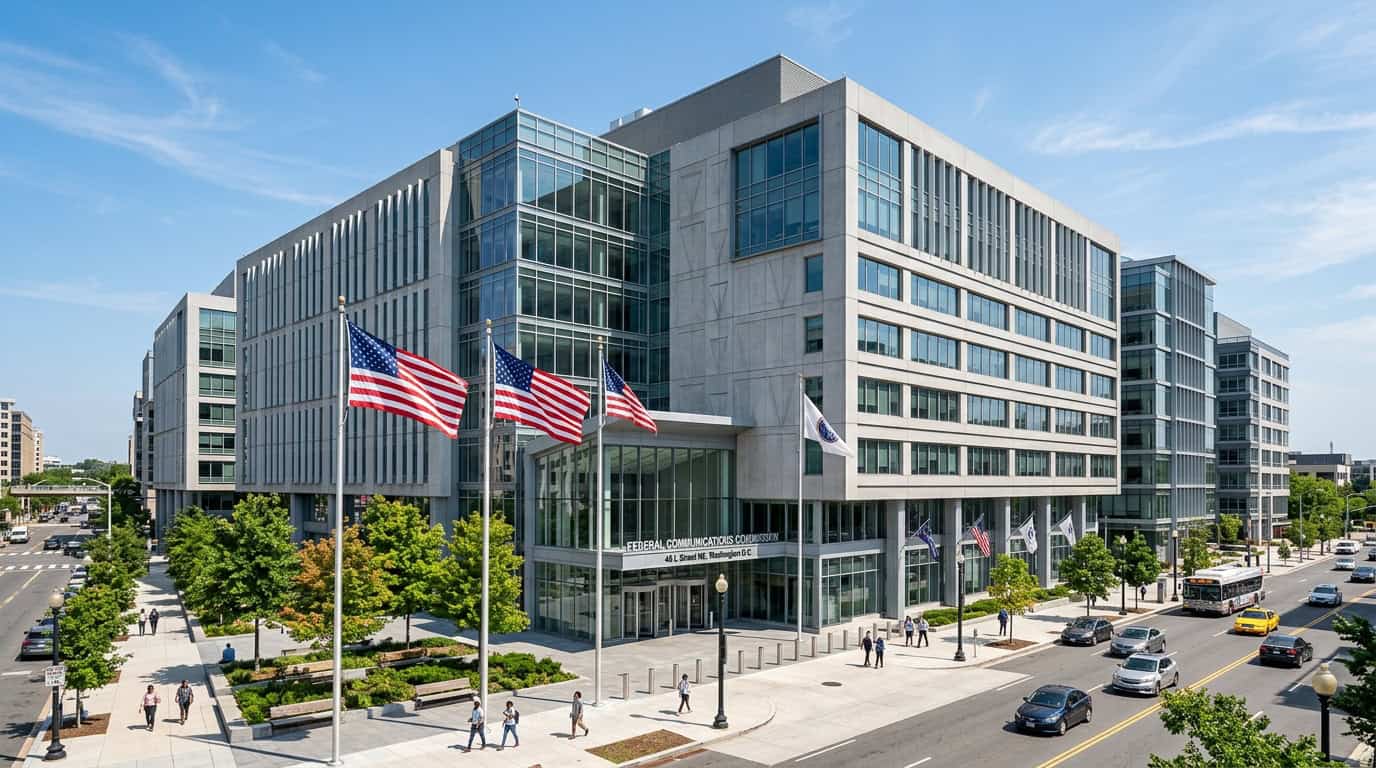
Figure 4: Filing through consumercomplaints.fcc.gov triggers a mandatory 30-day corporate response requirement under 47 CFR § 1.717.
If anyone in your household relies on life-saving medical equipment (e.g., CPAP machines, oxygen concentrators, dialysis), you must immediately register for the utility’s “Medical Baseline” or “Medical Need” program.
Once registered, it is a severe regulatory violation for the utility company to disconnect your power for non-payment without extensive, multi-agency coordination. This protection is enforced aggressively by State PUCs.
SENT VIA USPS CERTIFIED MAIL (RETURN RECEIPT REQUESTED)
Certified Mail Tracking Number: [Insert Tracking #]
TO:
[Utility / Telecom Provider Legal Corporate Name]
Attn: Regulatory Compliance & Executive Customer Advocacy Department
[Corporate Office Address]
[City, State, ZIP Code]
RE: FORMAL STATUTORY DISPUTE OF CHARGES & DEMAND TO CEASE DISCONNECTION
CUSTOMER NAME: [Your Full Name] | ACCOUNT NUMBER: [Account #]
SERVICE ADDRESS: [Service Street Address, City, State, ZIP]
GOVERNING AUTHORITY: STATE PUBLIC UTILITY COMMISSION (PUC) & FCC PART 64
Dear Utility Regulatory Compliance Administrator:
Please take formal legal notice that this communication constitutes a timely, formal dispute and statutory demand pursuant to State Public Utility Commission administrative rules and Federal Communications Commission (FCC) consumer protection standards.
1. STATEMENT OF DISPUTED CHARGES:
The undersigned formally disputes the following unauthorized charges appearing on billing statement dated [Statement Date] totaling $[Disputed Amount]:
[ ] CRAMMING / UNAUTHORIZED THIRD-PARTY FEES: Unauthorized recurring monthly fees assessed without verified Opt-In consent;
[ ] METERING / BILLING ERROR: Mathematical or usage calculation error exceeding historical consumption by [Percentage]%;
[ ] SLAMMING / UNAUTHORIZED PLAN SWITCH: Unilateral change of tariff or service tier without written authorization;
[ ] UNLAWFUL DISCONNECTION NOTICE: Notice of disconnection served during active dispute or without statutory cold-weather / medical protection compliance.
2. STATUTORY STAY OF SERVICE DISCONNECTION:
Under state utility regulatory rules, upon receipt of a bona fide billing dispute concerning contested charges, the utility is legally prohibited from disconnecting essential utility service or assessing late penalties on the disputed amount while the dispute is under administrative investigation.
3. DEMAND FOR ITEMIZED AUDIT & BILLING ADJUSTMENT:
I demand:
a) Immediate credit or provisional adjustment of $[Disputed Amount] pending resolution;
b) A certified, line-by-line metering and rate audit explaining the basis of the disputed charges;
c) Written confirmation that no negative reporting will be made to consumer reporting agencies.
Failure to resolve this billing dispute within twenty (20) business days will result in a formal docket complaint filed before the State Public Utility Commission and the FCC Consumer Inquiries and Complaints Division.
What authority do State Public Utility Commissions (PUCs) have over telecom and electric monopolies?
State Public Utility Commissions (also known as PSCs or Public Service Commissions) regulate franchised monopolies, setting approved tariff rates, establishing consumer protection standards, investigating arbitrary service disconnections, and resolving billing disputes that violate utility service quality benchmarks. Utility providers are legally bound by commission tariffs and must respond formally to regulatory inquiries initiated by consumers.
How do I challenge unauthorized slamming or cramming on my telephone or internet bill?
“Slamming” is the illegal switching of your telecom service provider without authorization; “cramming” is the placement of unauthorized mystery fees or third-party subscriptions on your telephone bill. Both violate Federal Communications Commission (FCC) rules under 47 U.S.C. § 258. File an informal complaint with the FCC at consumercomplaints.fcc.gov and demand full retroactive refunds and provider restoration from the billing carrier.
Can an electric or gas utility disconnect my service during severe winter or summer weather?
Most states enforce statutory weather moratoriums that strictly prohibit electric and natural gas disconnections during freezing temperatures (typically below 32°F) or extreme heat waves (often above 95°F–100°F). Utilities are also prohibited from disconnecting households with certified medical necessity equipment. If a utility threatens shutoff during a moratorium window, immediately file an emergency complaint with your State PUC and request an emergency administrative hold.
Utility monopolies rely on your exhaustion. Filing a formal federal or state regulatory complaint takes less than 15 minutes and forces a legal resolution. HowToReport.org is an independent educational site — not a government agency. We link to official .gov and .org sources, but we cannot file a complaint for you or give legal advice. Read our full Legal Disclaimer & Safe Harbor →
\u2696\ufe0f
Civil Justice & Statutory Monetary Recovery
Damages Under ,000? Check Your State Small Claims Limit
If administrative complaints fail to recover your financial losses, you can sue in local small claims court without expensive attorney fees. Select your state below for instant dollar limits and statutory deadlines:
Certified Mail Requirement: Always dispatch formal demands via USPS Certified Mail with Return Receipt Requested to ensure statutory admissibility in court.
Statutory Deadlines: Habitability emergency notices require 24–48 hour action; standard civil repair demands require 7–14 business days before court escrow.
Jurisdictional Order: Secure municipal inspection reports (311 or Code Enforcement) prior to filing formal administrative or small claims actions.
Statutory Notice: HowToReport.org is an independent public legal education directory. Statutory references cite public U.S. Code, Code of Federal Regulations, and state administrative rules. Consult licensed legal counsel for representation in judicial proceedings.
Researched & Edited by the Independent Publisher of HowToReport.org
Human-Curated Regulatory Research • AI-Assisted Drafting
HowToReport.org is operated by one independent site owner rather than a corporate newsroom, legal department, or panel of attorneys. Guides are created through AI-assisted research and drafting, then manually reviewed and edited against primary government (.gov) sources, the Code of Federal Regulations, and state statutes. Unless explicitly stated, content has not been reviewed by a licensed attorney and does not constitute individualized legal advice.
Need Specific Filing Rules & Regulators for Your State?
Statutes of limitations, small claims court filing limits, and state agency oversight vary widely across jurisdictions. Access verified State Attorney General portals, labor divisions, and contractor boards across all 50 states.