⚡ Quick Answer: How to Report Neighbor Drug Activity
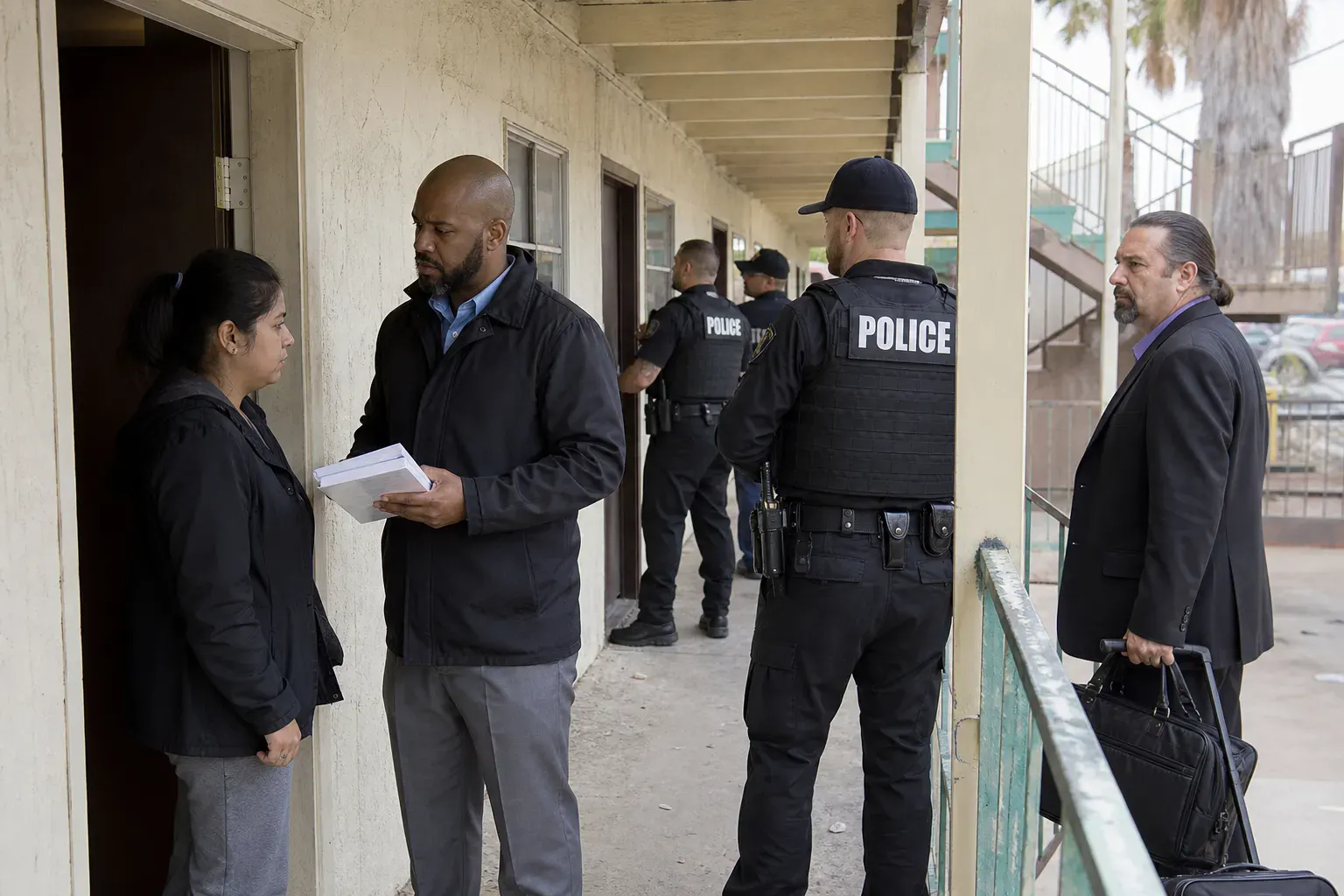
- Immediate Action & Emergency Protocols: If you observe active weapons, physical violence, or intense chemical fumes indicating a clandestine laboratory, call 911 immediately; for chronic neighborhood activity, submit anonymous logs to your local police narcotics tip line or Crime Stoppers at 1-800-222-TIPS.
- Primary Regulatory Authorities: Local Police / Sheriff Department Non-Emergency Dispatch, Municipal Code Enforcement / Nuisance Abatement Board, and Property Management / Landlord.
- Statutory & Legal Remedies: Municipal public nuisance citations, property forfeiture under state drug abatement acts, 3-day to 7-day unconditional lease eviction, and civil small claims damages for breach of quiet enjoyment.
How Do I Report Report a Neighbor for Drug Use?
To report a neighbor for illegal drug activity, submit an anonymous tip to your local police department. Sharing this information helps law enforcement build a case and improves neighborhood safety. Police require a pattern of evidence, so consistent reporting of suspicious behavior is essential.
- Gather Evidence: Log dates, times, brief vehicle descriptions, and specific suspicious activities you observe.
- File Your Report: Call the police non-emergency line or use local crime stoppers anonymous online forms.
- Follow Up: Continue logging ongoing activity but avoid confronting the neighbor to ensure your safety.
Suspected illicit drug activity in a residential neighborhood undermines community safety, lowers property values, and introduces severe hazards such as fire, chemical exposure, and associated property crime. Addressing neighbor drug activity requires a disciplined, safety-first strategy that prioritizes non-confrontation, rigorous chronological documentation, and coordination with municipal code enforcement, local narcotics task forces, and property managers. Knowing how to compile an actionable evidentiary log while preserving your absolute anonymity ensures authorities can intervene effectively.
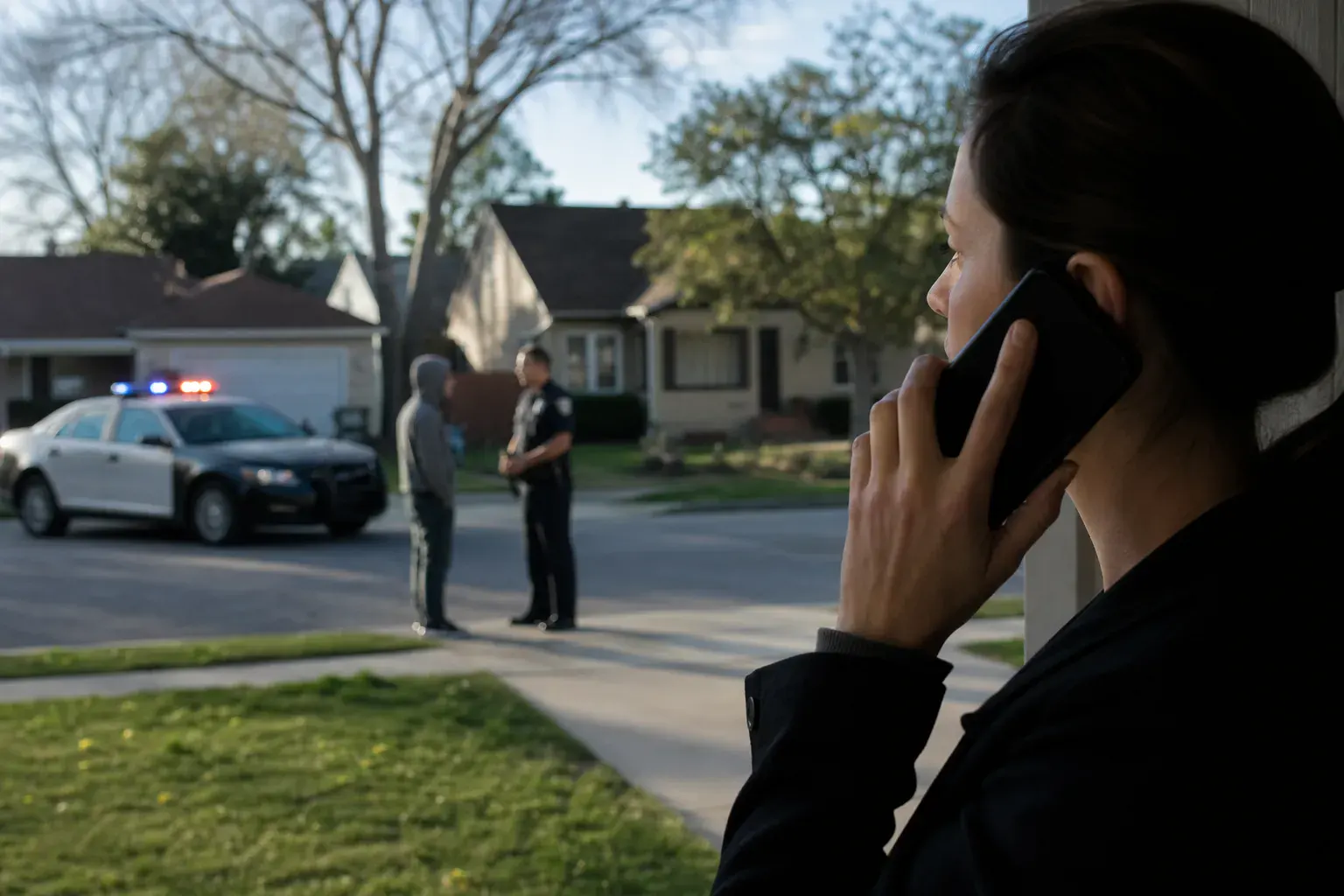
Never attempt to confront neighbors suspected of drug distribution, photograph individuals directly on their private property, or conduct personal surveillance. Direct confrontation can provoke volatile retaliation and compromise ongoing law enforcement operations. Rely strictly on discreet observation from inside your residence.
Recognizing Illicit Drug Activity: Nuisance Patterns & Hazard Levels
Law enforcement agencies require observable, objective behavioral patterns before establishing probable cause for warrants. Occasional personal odor alone rarely prompts immediate tactical intervention. Authorities focus resources on properties exhibiting patterns consistent with high-volume narcotics distribution or hazardous chemical manufacturing:
Neighbor Drug Activity Severity & Response Matrix
Strong chemical odors (ammonia, ether, acetone), blacked-out windows, discarded chemical containers, and continuous exhaust fans. Severe explosion risk—Call 911 immediately.
Unusual foot and vehicular traffic at all hours where visitors stay for under 3 minutes; transactions conducted at car windows, alleys, or porches.
Discarded drug paraphernalia (needles, foil, small baggies), visible intoxication in common areas, verbal altercations, and trespassing on adjacent properties.
Tenant operating an unlawful business, subleasing to unauthorized persons, or causing severe interference with neighbors’ statutory quiet enjoyment.
Where to Report: Multi-Jurisdictional Escalation Channels
Effectively addressing neighborhood drug operations requires engaging multiple independent municipal channels. While police investigate criminal activity, municipal code enforcement and landlords possess expedited civil mechanisms to abate nuisances:
Community Safety Authority Matrix
Police Non-Emergency / Narcotics
City police or county sheriff narcotics divisions compile neighborhood logs to establish search warrant probable cause and conduct targeted patrols.
Call Local Police Non-Emergency LineMunicipal Code Enforcement (311)
Inspectors cite structural blight, illegal rooming conversions, unpermitted wiring, and public health infractions, fining negligent property owners.
Local Community Directory →Crime Stoppers USA
Independent non-profit reporting system. Tips are 100% anonymous, untraceable, and eligible for cash rewards if arrests occur.
Crime Stoppers Web Portal →Step-by-Step Guide to Documenting & Reporting Neighbor Drug Use
Step 1: Maintaining a Discreet Chronological Incident Log
Police officers cannot secure judicial search warrants based on unsubstantiated rumors. They require detailed, timestamped records establishing ongoing illicit patterns. Maintain a discreet incident journal containing:
- Exact dates, times, and duration of suspicious visits (e.g., “11:42 PM – Black sedan arrives, visitor enters for 90 seconds, departs”).
- Vehicle descriptions: Make, model, color, license plate state and number, and recurring delivery drivers.
- Specific physical locations: Side doors, window handoffs, detached garages, or breezeways.
- Observable public occurrences: Yelling, visible handoffs, weapons, or discarded packaging.

Step 2: Submitting an Anonymous Tip to Police Narcotics Units
Contact your local police department or sheriff’s office non-emergency line and request to speak with a narcotics investigator, or submit an electronic report through their online portal:
- Explicitly state: “I am calling to report chronic suspected drug distribution and would like to provide an anonymous intelligence log.”
- Provide the exact address, apartment number, and suspect names or physical descriptions if known.
- Read off specific recurring days and peak hours (e.g., Friday and Saturday between 11:00 PM and 3:00 AM) to enable tactical patrol units to conduct targeted drive-bys.
- Request an official CAD Incident / CAD Event Number for your records.
Step 3: Notifying Landlords & Property Managers (The Quiet Enjoyment Shield)
If the suspected property is a rental home or multi-family apartment building, the property owner has a legal duty to protect other residents under the Implied Covenant of Quiet Enjoyment. When notified of illegal drug operations on their property, landlords face substantial civil liability and municipal fines if they fail to initiate lease enforcement:
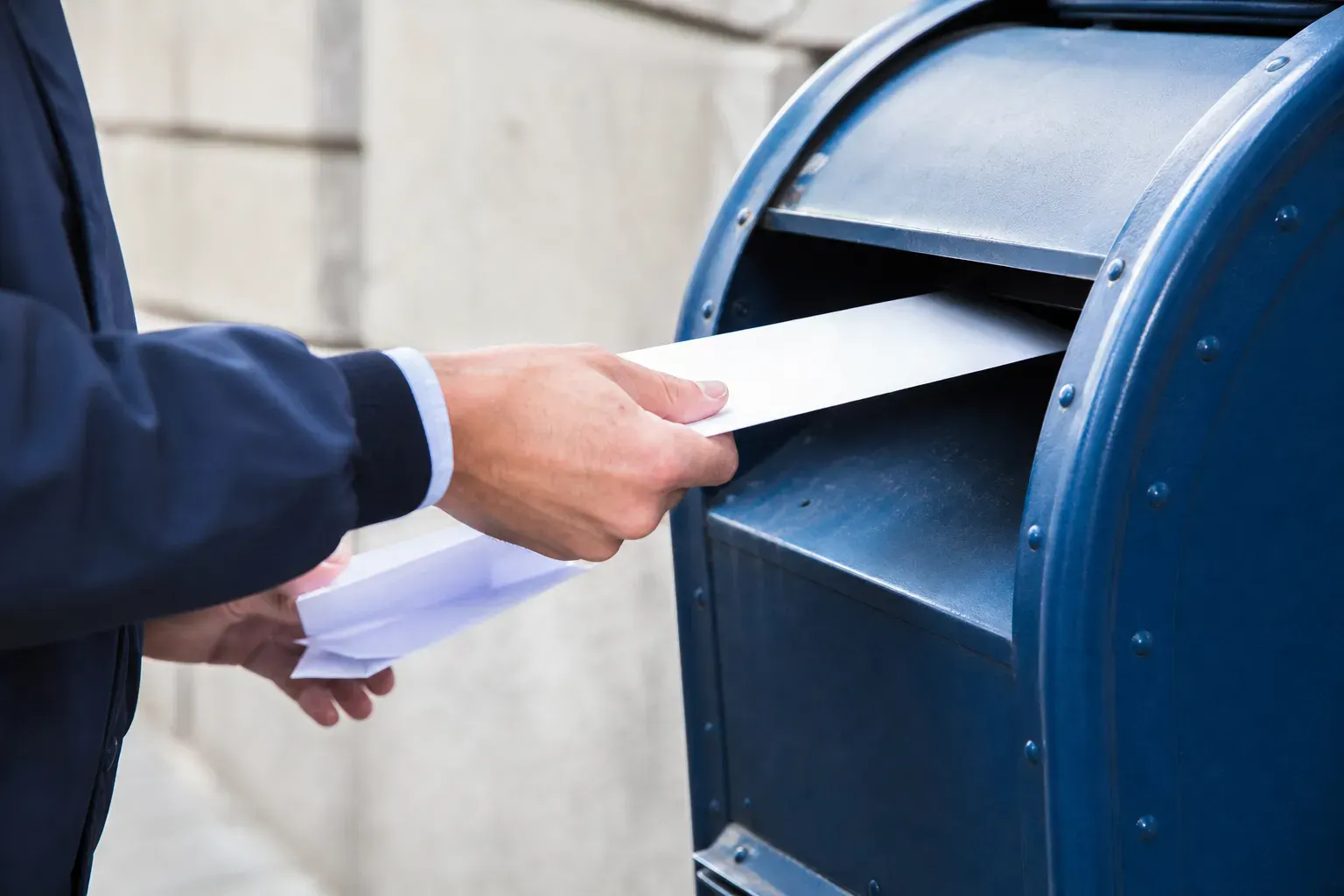
- Send a formal certified mail notice detailing specific disturbance dates and police CAD event numbers.
- Cite state statutory lease termination laws: Most states provide expedited 3-day or 7-day unconditional quit notices for drug manufacturing or commercial distribution on leased premises.
- Request confirmation that the landlord has commenced formal investigation or eviction proceedings.
Step 4: Leveraging Municipal Nuisance Abatement Boards
Many cities maintain specialized “Drug and Nuisance Abatement” boards or ordinances. Under these laws, properties generating repeated police dispatches for narcotics or violent disturbances can be declared official Public Nuisances. The city city attorney can fine the property owner thousands of dollars per day, revoke occupancy permits, or initiate civil forfeiture proceedings to seize the premises.
Step 5: Documenting Communications & Small Claims Remedies
Retain copies of all written complaints sent to property management, police dispatch logs, and certified mail tracking numbers. If your landlord refuses to abate a known drug operation, you may utilize the legal remedy of constructive eviction or file a claim in Small Claims Court for rent abatement and statutory damages due to breach of habitability.
Community Safety Escalation Roadmap
Addressing persistent neighborhood drug activity requires a multi-stage approach connecting law enforcement with civil code enforcement. This roadmap outlines the process:
4-Stage Neighborhood Nuisance Escalation Roadmap
Discreet Logging
Record timestamps, vehicle license plates, visitor turnaround times, and specific observable disturbances.
Police Narcotics Tip
Transmit detailed intelligence logs to local narcotics investigators and Crime Stoppers. Obtain CAD reference numbers.
Formal Landlord Notice
Send formal certified mail notice to property owner demanding lease termination under statutory nuisance codes.
Nuisance Injunction
City attorney or neighborhood coalition files municipal nuisance abatement petition or small claims civil action.
Formal Landlord Notice of Nuisance & Cure Demand Template
When demanding that a landlord or property management company abate illegal drug operations conducted by a neighboring tenant, send this formal notice via USPS Certified Mail with Return Receipt Requested:
Common Myths vs. Legal Realities About Reporting Drug Activity
Community Safety: Legal Realities vs. Misconceptions
Reality: The Fourth Amendment requires strict probable cause for residential search warrants. Officers cannot enter a home based solely on a single unverified complaint; they require time to build an intelligence file through surveillance and informant buys.
Reality: Landlords who knowingly permit drug operations face severe civil liability, municipal property liens, and potential civil forfeiture of the property under state and federal drug abatement statutes.
Reality: Crime Stoppers programs use specialized call encryption and scrambled data routing. They do not record caller ID, tape phone calls, or track IP addresses, assigning an anonymous alphanumeric code to the tipster.
Reality: If a landlord fails to address a known drug nuisance that destroys your ability to live peacefully, you can sue in Small Claims Court for rent reduction and out-of-pocket relocation expenses.
Frequently Asked Questions
Will police officers disclose my name or address to the neighbor?
No. When submitting an anonymous tip through narcotics hotlines or Crime Stoppers, officers never reveal who called. Even when reporting directly to non-emergency dispatch, instruct the dispatcher: “I wish to remain anonymous and request that officers do not come to my door.” Patrol officers will conduct their response without approaching your residence.
What are the immediate signs of a dangerous meth lab?
Methamphetamine manufacturing produces distinct hazards: powerful chemical odors resembling ammonia, cat urine, or rotten eggs; windows covered with foil or heavy plastic; excessive discarded cold medicine packaging, lithium batteries, and propane tanks; and residents who only take out garbage late at night. If you detect these signs, do not investigate—evacuate and call 911 immediately.
Can my landlord evict me for reporting a neighbor?
No. Most state landlord-tenant acts contain explicit anti-retaliation provisions making it illegal for landlords to terminate leases, raise rent, or decrease services because a tenant submitted a lawful complaint to law enforcement or municipal code agencies.
How long does a police narcotics investigation usually take?
Building a legally solid narcotics case typically requires anywhere from two weeks to several months. Investigators must conduct covert surveillance, corroborate license plates, and execute controlled buys to convince a judge to sign a search warrant.
Official Public Safety Portals & Community Resources
- Crime Stoppers USA: 100% Anonymous Tip Submission (Hotline: 1-800-222-TIPS)
- SAMHSA National Helpline: Substance Abuse and Mental Health Services (1-800-662-4357)
- Municipal Nuisance Codes: HowToReport.org Community & Municipal Code Directory
- 50-State Small Claims Calculator: Civil Damages & Rent Abatement Calculator
HowToReport.org is an independent educational site — not a government agency. We link to official .gov and .org sources, but we cannot file a complaint for you or give legal advice. Read our full Legal Disclaimer & Safe Harbor →
Damages Under ,000? Check Your State Small Claims Limit
If administrative complaints fail to recover your financial losses, you can sue in local small claims court without expensive attorney fees. Select your state below for instant dollar limits and statutory deadlines:
Related Statutory Reporting Guides & Citizen Protections
Official step-by-step reporting protocols in this regulatory category.

What happens next
- Most agencies send an acknowledgment or reference number — save it with your copies.
- Investigations vary by agency; complex cases can take weeks or months.
- If you do not hear back within the timeframe listed on the agency site, follow up in writing.
- Keep reporting to additional agencies if your issue crosses categories (for example, fraud plus billing).
1 thought on “How to Report a Neighbor for Drug Use: Police & Landlord Guide”