⚡ Quick Answer: How to Report HOA Selective Enforcement
- Immediate Action / Statutory Deadline: Request a formal notice-and-cure due process hearing in writing within 14 to 30 days of receiving an arbitrary HOA fine notice.
- Primary Regulatory Agency: State Real Estate Commission & Attorney General Consumer Division
- Statutory / Legal Remedy: Complete dismissal of fines under the equitable doctrine of waiver/selective enforcement, statutory records inspection penalties, and civil fee reimbursement.
Living under the authority of a Homeowners Association (HOA) can quickly turn hostile when board members single out your home for punitive penalties while ignoring identical infractions on neighboring properties. When a board abuses its authority, learning how to report hoa selective enforcement and board fines equips you with the statutory defenses, due process hearing rights, and state regulatory filing protocols necessary to dismantle discriminatory fines and restore community accountability.
While homeowners associations possess the legal power to enforce recorded Covenants, Conditions, and Restrictions (CC&Rs), that enforcement authority is strictly conditioned on uniformity, good faith, and constitutional due process. Under well-established common law principles and state planned community acts, an HOA cannot selectively enforce covenants against disfavored homeowners. Once an association permits widespread non-compliance across a community, it legally waives the right to arbitrarily penalize a single owner.
⚖️ Facing Damages or Unreturned Funds Under $25,000?
Check your state small claims court dollar ceiling, statutes of limitations, and attorney representation rules.
How Do I Report HOA Selective Enforcement and Board Abuse?
To report HOA selective enforcement and board abuse, audit your community CC&Rs and board meeting minutes, document disparate treatment across neighboring lots with photographic evidence, submit a formal certified mail records demand, and file a complaint with your State HOA Ombudsman or Real Estate Commission.
- Document Disparate Treatment: Capture photos of identical architectural modifications on other properties that received no violation notices or fines.
- Serve a Statutory Records Demand: Send a formal written request via USPS Certified Mail or verifiable electronic transmission demanding financial ledgers and architectural review minutes.
- File with State Ombudsman or Division of Real Estate: Submit an administrative complaint in states with dedicated HOA regulatory divisions (FL, NV, CO, VA).
What Constitutes Unlawful Selective Enforcement?
Selective enforcement occurs when an association board enforces a specific restriction against one homeowner while routinely ignoring substantial, obvious violations of the same rule by other residents, architectural committee members, or board directors. Common manifestations include:
- Disparate Architectural Standards: Fining you for paint trim variations, roofing materials, or solar installations while overlooking identical modifications on board members’ properties.
- Targeted Vehicle and Parking Citations: Issuing towing threats or fines for street parking or commercial vehicles parked in driveways while ignoring neighboring vehicles violating identical rules.
- Landscaping and Weed Citations: Issuing punitive fines for minor lawn dormancy during drought conditions while common elements and favored homes display identical conditions.
- Retaliatory Enforcement: Suddenly issuing flurry citations after you exercise legal rights, such as requesting financial audits, running for a board seat, or questioning assessment increases.

5-Stage Escalation Path for HOA Disputes
From comparative evidence audit to state regulatory mediation.
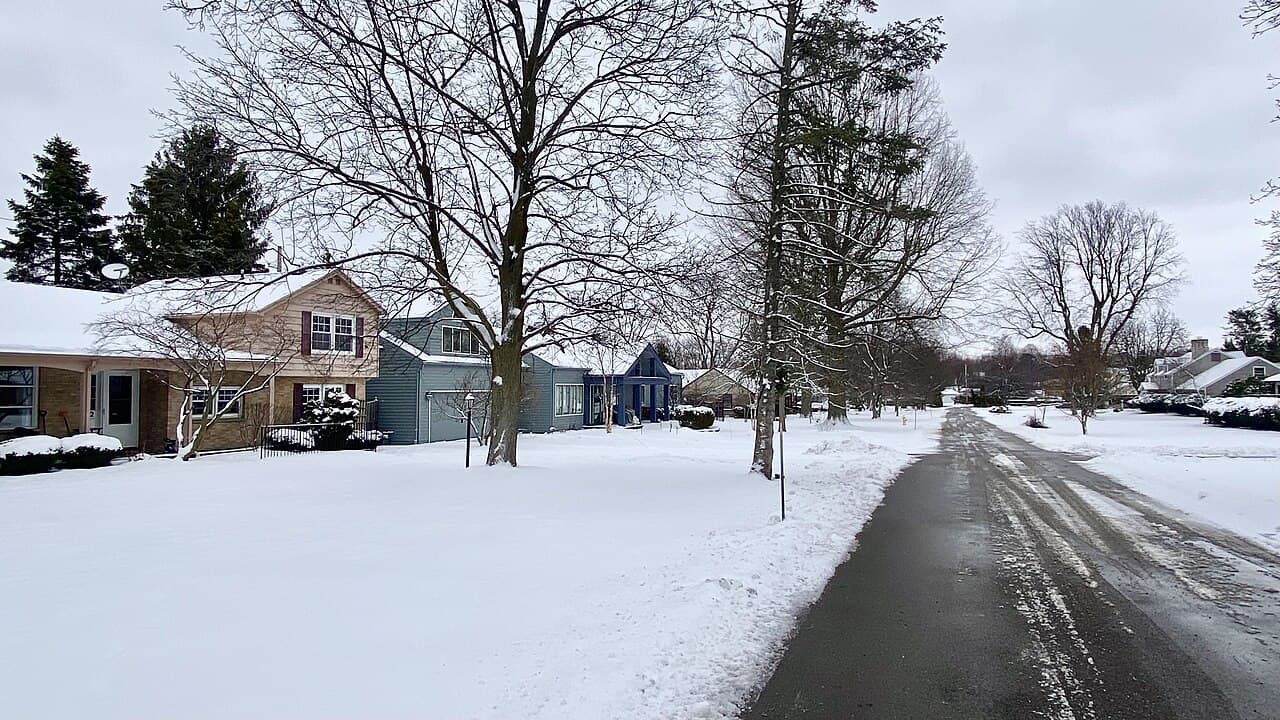
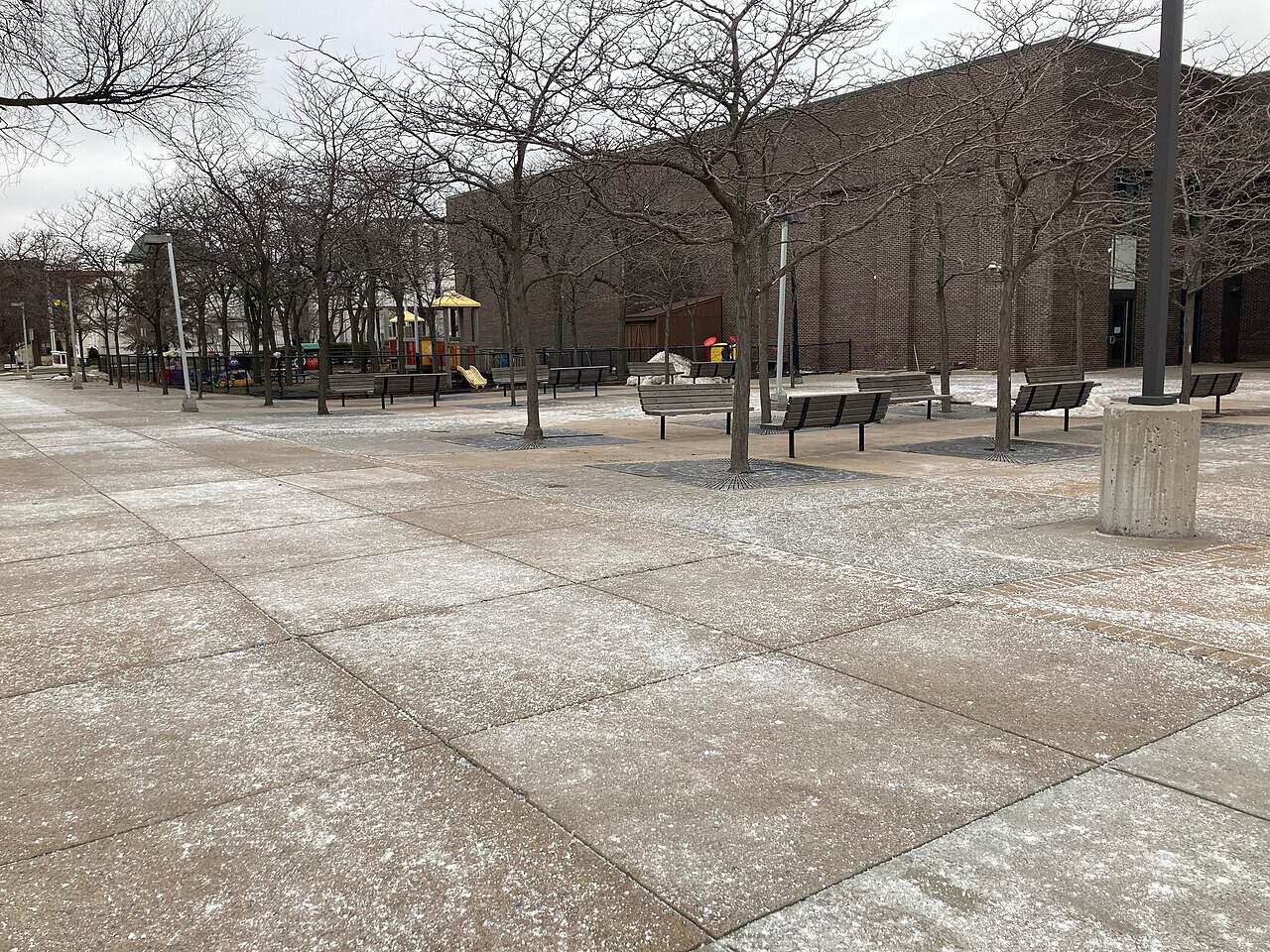
Photograph 5 to 10 neighboring properties exhibiting the exact same condition with timestamped photographic proof.
Serve certified mail notice requesting an impartial notice-and-cure hearing and inspection of association violation logs.
Present your dossier before the fine committee or board. Demand complete dismissal under the doctrine of waiver.
File a formal complaint with state regulatory agencies (such as Florida DBPR, Colorado DORA, or Nevada Real Estate Division).
Step-by-Step Reporting Guide for Selective HOA Enforcement
To dismantle selective enforcement fines, follow this forensic four-step defense framework:
Step 1: Build a Comparative Photographic Dossier
The core legal defense against arbitrary fines is the doctrine of waiver and estoppel. Walk your neighborhood and take clear, timestamped photographs of other homes exhibiting the identical condition cited in your violation letter. Capture wide shots showing house numbers and street names. If you are cited for an unapproved exterior paint color or unapproved shed, documenting multiple pre-existing unapproved sheds proves the board has abandoned uniform covenant enforcement.
Step 2: Submit a Formal Statutory Records Request
Under state common interest ownership statutes (such as California Civil Code § 5200 or Florida Statutes § 720.303), homeowners have the absolute statutory right to inspect association official records, including meeting minutes, architectural review committee (ARC) approval logs, and redacted violation histories. Send a certified mail request for these records. If the board fails to provide access within statutory windows (typically 10 business days), they face mandatory statutory penalties payable directly to you.

Step 3: Demand a Formal Notice-and-Cure Due Process Hearing
In most states, an association cannot legally impose a fine without first providing written notice of the violation, a reasonable opportunity to cure (at least 14 days), and the opportunity to present a defense before an impartial fining committee. Demand this hearing in writing via certified mail. At the hearing, present your photographic proof and state clearly on the record that the board’s selective enforcement constitutes arbitrary and capricious conduct in breach of fiduciary duty.
State HOA Regulatory Oversight Bodies
Myth vs. Legal Reality: HOA Fines & Authority
Reality: Fines imposed without prior written notice, an opportunity to cure, and a formal hearing before an independent committee are legally unenforceable and void under state HOA acts.
Reality: Under the equitable doctrine of waiver, if an association has tolerated multiple violations across the community over an extended period, it cannot arbitrarily revive the rule against one individual.
Formal Statutory Dispute Notice & Hearing Demand
Send this formal notice via USPS Certified Mail to the HOA Board President and Management Company to freeze pending fines:
[Date]

SENT VIA USPS CERTIFIED MAIL
RETURN RECEIPT REQUESTED: [Certified Mail Tracking #]

To:
Board of Directors & Compliance Committee
[Name of Homeowners Association]
C/O: [Property Management Company Name]
[Management Company Street Address]
[City, State, ZIP Code]

RE: FORMAL DISPUTE OF UNLAWFUL SELECTIVE ENFORCEMENT & DEMAND FOR HEARING
Homeowner Name: [Your Full Name]
Property Address: [Your Property Address, Lot #]
Violation Notice / Account Number: [Violation Reference #]
Alleged Infraction: [Description of Alleged Violation, e.g. Exterior Paint / Landscaping / Vehicle]
Disputed Fine Amount: $[Amount, e.g. 500.00]

Dear Board of Directors and Management:

I am writing to formally dispute the violation notice and fine assessment referenced above pursuant to the recorded Declaration of Covenants, Conditions, and Restrictions (CC&Rs) and applicable state planned community statutes.

The citation issued against my property constitutes unlawful selective enforcement and arbitrary disparate treatment under the equitable doctrines of waiver, estoppel, and breach of fiduciary duty. Specifically:
1. The condition cited on my property currently exists in an identical or more substantial state on multiple properties throughout this community that have not been cited or subjected to monetary penalties. Enclosed please find timestamped comparative photographs of neighboring lots demonstrating widespread non-enforcement.
2. Under established real property law, an association's failure to consistently and uniformly enforce restrictive covenants over an extended period constitutes an abandonment of the restriction and waives the association's legal right to selectively enforce it against an individual parcel.

DEMAND FOR STATUTORY RELIEF:
1. Immediately rescind and cancel the violation notice and all associated fines, late charges, and legal fees assessed against my account.
2. In the alternative, if the board refuses immediate dismissal, accept this letter as my formal demand for an impartial due process hearing before the board or fine review committee, held pursuant to state statutory notice standards.
3. Provide formal confirmation that all collection activity, interest accrual, and legal referrals are frozen while this dispute is pending.
4. Pursuant to state official records inspection statutes, make available for my inspection within ten (10) business days all ARC approval records, inspection logs, and redacted violation reports regarding this specific restriction across the community over the preceding 24 months.

Please notify me in writing within fourteen (14) calendar days of your receipt of this notice regarding the cancellation of this fine or the date, time, and location of the scheduled due process hearing.

Sincerely,

__________________________________________
[Your Signature]

[Your Printed Full Name]
[Your Mailing Address]
[Your Phone Number]
[Your Email Address]

ENCLOSURES:
1. Copy of Disputed Violation Notice and Invoice
2. Timestamped Comparative Photographic Evidence Dossier
Escalating to State Agencies and Civil Arbitration
If an HOA board proceeds with fines despite evidence of selective enforcement, escalate your complaint to state administrative oversight bodies. In states with an active HOA Ombudsman (such as Florida, Nevada, and Colorado), filing an administrative complaint triggers official mediation and can result in civil penalties against rogue board members. If your state lacks a specialized ombudsman, homeowners can challenge arbitrary fines in local small claims or county civil court for breach of contract and breach of fiduciary duty, where prevailing homeowners routinely recover their court costs and legal fees.
If your homeowners association initiated foreclosure proceedings over disputed fines or improper legal fees, review our defense guide on How to Report Unlawful HOA Foreclosures & Predatory Assessment Liens.
For severe property hazards, narcotics trafficking, and joint police/landlord nuisance abatement, review our protocol on How to Report a Neighbor for Drug Use: Police & Landlord Guide.
Frequently Asked Questions
What is “selective enforcement” by an HOA board and how can I challenge it?
Selective enforcement occurs when an HOA board or architectural review committee penalizes or fines one homeowner for a rule violation (such as paint color, landscaping, or parking) while ignoring identical or substantially similar violations by board members or favored neighbors. Under state HOA law, arbitrary and selective enforcement violates the board’s fiduciary duty and waives the HOA’s legal right to enforce the restrictive covenant.
Can an HOA fine me without providing a hearing or due process?
No. Most state property codes (such as Texas Property Code Chapter 209 and Florida Statute Chapter 720) require HOAs to send formal written notice via certified mail before levying any fine. The notice must detail the specific covenant violated, provide a reasonable statutory cure period (typically 30 days), and inform the owner of their legal right to request a formal hearing before the board or an independent appeals committee.
Can an HOA foreclose on my home over unpaid fines?
In most states, HOAs cannot foreclose solely for unpaid fines or administrative fees unless explicitly permitted by state statute and declaration. For example, Texas Property Code § 209.009 strictly prohibits HOAs from foreclosing an assessment lien if the underlying debt consists solely of fines, attorney’s fees related to fines, or late fees. If an HOA threatens foreclosure over disputed fines, demand a statutory accounting ledger and verify state lien restrictions.
Before you go…
Challenging arbitrary HOA fines requires strict adherence to corporate governing documents, formal statutory records demands, and comprehensive paper trails. Do not rely solely on informal or verbal conversations; preserve clear written records of all inspection requests and hearing demands using a delivery method that provides reliable proof of receipt, such as certified mail or trackable written notice.
HowToReport.org is an independent educational site — not a government agency. We link to official .gov and .org sources, but we cannot file a complaint for you or give legal advice. Read our full Legal Disclaimer & Safe Harbor →
Damages Under ,000? Check Your State Small Claims Limit
If administrative complaints fail to recover your financial losses, you can sue in local small claims court without expensive attorney fees. Select your state below for instant dollar limits and statutory deadlines:
Related Statutory Reporting Guides & Citizen Protections
Official step-by-step reporting protocols in this regulatory category.


Official sources
Use these official channels for your complaint — verify details on the agency site before you submit.
- State Real Estate Commission & Attorney General Consumer Division — 1-877-382-4357 (Mon-Fri 9am-5pm ET)
- Official reporting portal
What happens next
- Most agencies send an acknowledgment or reference number — save it with your copies.
- Investigations vary by agency; complex cases can take weeks or months.
- If you do not hear back within the timeframe listed on the agency site, follow up in writing.
- Keep reporting to additional agencies if your issue crosses categories (for example, fraud plus billing).
2 thoughts on “How to Report HOA Selective Enforcement and Board Fines”