
⚡ Quick Answer: How to Report Illegal Eviction
- Immediate Action / Statutory Deadline: Call local police non-emergency for immediate civil standby entry, and file for an emergency court Writ of Re-Entry within 24 to 72 hours.
- Primary Regulatory Agency: HUD Tenant Rights & Fair Housing Equal Opportunity
- Statutory / Legal Remedy: Immediate court-ordered restoration of possession, statutory damages ranging from 2x to 3x monthly rent or $1,000 to $5,000 per violation, plus hotel reimbursement.
- Primary Enforcement Agencies & Governing Acts: File official complaints with your State Attorney General Consumer Protection Division, the U.S. Department of Housing and Urban Development (HUD), and local municipal housing authorities enforcing the Fair Housing Act (FHA) and Uniform Residential Landlord and Tenant Act (URLTA).
Arriving home to find your apartment locks changed, doors removed, or electricity and water disconnected is a traumatic experience that violates basic civil protections. When a property owner attempts to circumvent the judicial system, learning how to report illegal eviction and landlord lockouts provides the emergency legal and law enforcement tools needed to regain entry, secure police standby assistance, and hold predatory property owners liable for statutory damages.
In all 50 states, “self-help” evictions are strictly illegal. A landlord cannot lock out a tenant, remove personal belongings, or shut off essential utilities without a formal court order executed by a county sheriff or marshal. Even if rent is past due or a lease has expired, property owners must follow statutory notice requirements and judicial eviction proceedings. Circumventing the courts exposes landlords to severe civil penalties, civil contempt, and criminal misdemeanor charges.
⚖️ Facing Damages or Unreturned Funds Under $25,000?
Check your state small claims court dollar ceiling, statutes of limitations, and attorney representation rules.
How Do I Report Illegal Eviction, Landlord Lockouts & Unlawful Eviction?
To report an illegal eviction and landlord lockout, call local police dispatch immediately to request an officer for unlawful lockout standby, document padlocked doors or terminated utilities, file an emergency petition for an ex parte writ of re-entry in municipal or justice court, and claim statutory damages.
- Call Police for Unlawful Lockout Standby: Present your lease agreement and utility bills to responding officers to demand immediate property re-entry.
- File an Emergency Writ of Re-Entry: Submit an expedited civil petition in local municipal or justice court to compel the landlord to restore access.
- Sue for Statutory Damages: File a small claims action to recover statutory multi-month rent penalties, hotel expenses, and personal property damages.
What Constitutes an Unlawful Self-Help Eviction Under Tenant Rights?
State residential landlord-tenant statutes specifically identify the actions that constitute an illegal constructive or physical eviction:
- Changing Locks Without Court Process: Replacing exterior deadbolts, padlocking entry gates, or refusing to provide keys to legitimate occupants before a judge signs a formal writ of possession.
- Disconnection of Essential Utilities: Intentionally terminating or failing to pay water, gas, electricity, or heating services to coerce a tenant into leaving. In many jurisdictions, this carries mandatory per-day statutory fines.
- Removal of Property, Doors, or Windows: Taking off exterior doors, removing windows, or throwing personal possessions onto the curb or into dumpsters without sheriff supervision.
- Constructive Intimidation: Threatening physical violence, deploying guard dogs, harassing tenants at their workplace, or falsely reporting tenants to immigration authorities (which constitutes aggravated criminal retaliation in many states).

Immediate 5-Step Action Plan During an Illegal Lockout
From police standby dispatch to civil court emergency re-entry orders.
Contact local police non-emergency. Request a patrol unit for a “civil standby” to inform landlord that self-help lockouts violate state law.
Send an emergency notice demanding immediate keys or utility restoration within 2 to 4 hours via text, email, and certified mail.
File an emergency ex parte Petition for a Writ of Re-Entry at your local Justice of the Peace or County Court.
File a small claims lawsuit to recover statutory damages (2x to 3x rent), hotel expenses, and personal property losses.
The Legal Eviction Process: Why a Landlord Can’t Evict Tenants Without a Court Order
Every state maintains an absolute prohibition against self-help eviction practices. Under local laws, a landlord cannot unilaterally evict a tenant or evict tenants by force, changing the locks, or shutting off essential utilities. The lawful eviction process strictly requires: (1) serving a formal written eviction notice; (2) filing an eviction lawsuit in civil court; (3) appearing at a contested judicial hearing; and (4) obtaining an official court order and writ of possession executed exclusively by an authorized law enforcement officer, sheriff, or constable. Any landlord action to remove a tenant without a court order means the eviction is unlawful.
Step-by-Step Reporting Guide for Illegal Lockouts & Police Intervention
When locked out unlawfully, acting methodically preserves your tenancy and builds an unassailable legal record for statutory damages:
Step 1: Document Evidence and Request Police Civil Standby
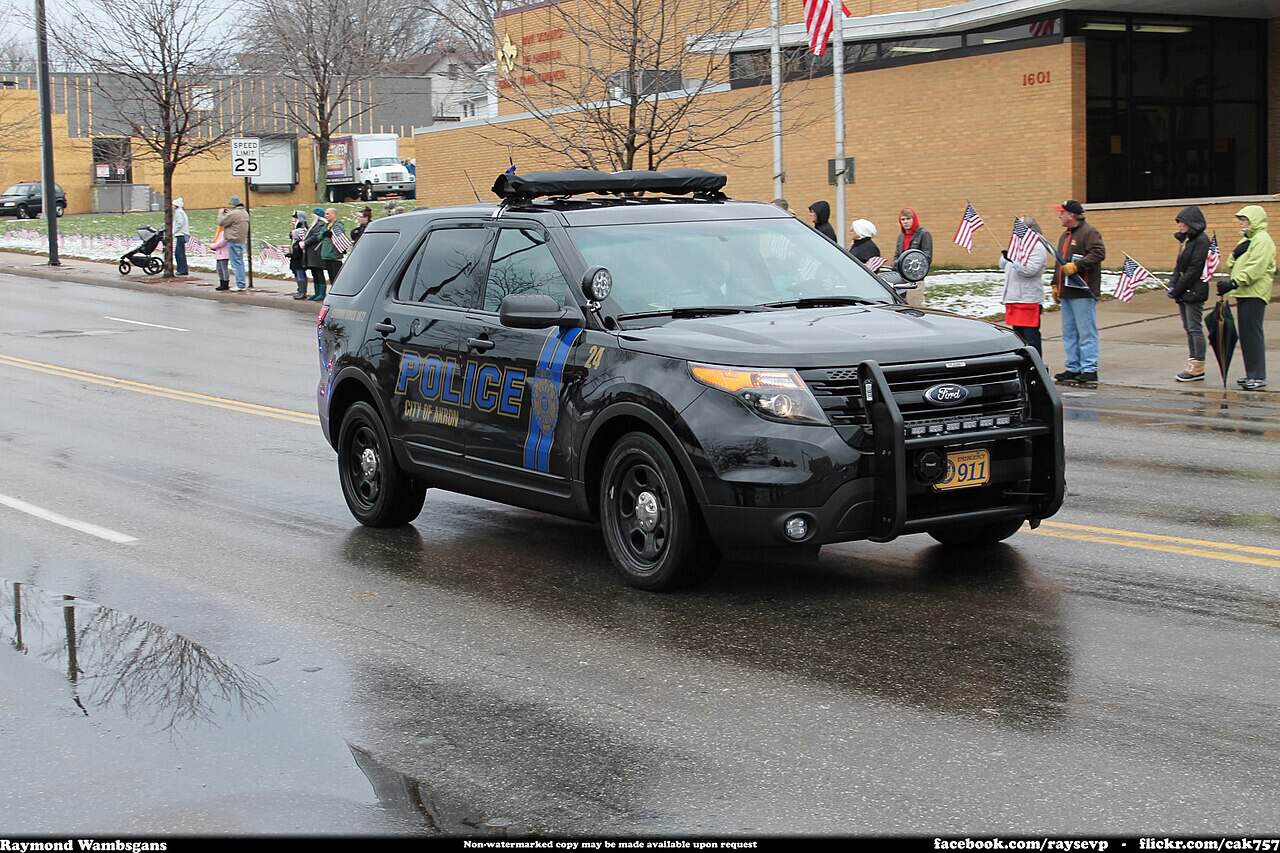
Immediately photograph and video record the locked doors, altered deadbolts, padlocks, turned-off utility meters, or moved personal property. Ensure your smartphone timestamps and geo-tags are enabled. Next, dial your local police department or county sheriff’s non-emergency dispatch line (or 911 if actively facing physical threats). Request a patrol officer for a civil standby. When officers arrive, present your government-issued ID showing the address, a copy of your lease agreement, utility bills in your name, or digital rent receipts to prove you are a lawful tenant.
Instruct the officer that the landlord has committed an unlawful self-help eviction. In many jurisdictions, officers will instruct the landlord to restore entry or risk arrest for criminal mischief or unlawful lockout.
Step 2: Obtain an Emergency Court Writ of Re-Entry
If the landlord refuses to open the doors even after police intervention, proceed directly to the local civil court (such as the Justice of the Peace, Municipal Housing Court, or General District Court). Request the clerk’s office for an emergency Application for Writ of Re-Entry or emergency Temporary Restraining Order (TRO). You will swear under oath before a judge detailing the lockout. If granted, the court issues an immediate order directing the sheriff or constable to escort you to the property, break padlocks if necessary, and physically restore your possession.
State Self-Help Eviction Statutory Penalties

Myth vs. Legal Reality: Tenant Lockouts
Reality: Past-due rent does not waive your constitutional right to due process. A property owner must serve formal notice, file an eviction lawsuit, win a judgment, and have a sheriff execute the writ.
Reality: Month-to-month oral tenancies are fully protected under state residential tenancy acts. Landlords who execute self-help evictions against verbal tenants face the exact same civil and treble penalties.
Formal Statutory Demand for Immediate Re-Entry & Writ of Possession
Deliver this formal notice to your landlord or property management company immediately via text, email, and USPS Certified Mail:
[Date]

SENT VIA HAND DELIVERY, EMAIL & USPS CERTIFIED MAIL
RETURN RECEIPT REQUESTED: [Certified Mail Tracking #]

To:
[Landlord Name / Property Management Company]
[Landlord Street Address]
[City, State, ZIP Code]

RE: EMERGENCY DEMAND FOR IMMEDIATE RE-ENTRY AND RESTORATION OF OCCUPANCY
Tenant Name: [Your Full Name]
Rental Property Address: [Your Rental Address, Apt / Unit #]
Date and Time of Unlawful Lockout: [Insert Date & Time]
Police Incident Report Number: [Insert Police Incident # or Pending]

Dear [Landlord / Property Manager Name]:

This letter constitutes formal written demand pursuant to state residential landlord-tenant laws for immediate restoration of my lawful tenancy and re-entry into the dwelling unit referenced above.

On [Date], you or your agents unlawfully executed a self-help eviction by [changing the locks / padlocking the door / shutting off electricity/water / removing personal property] without a judicial order, writ of possession, or law enforcement supervision.

Under state law, self-help evictions and utility shutoffs are strictly illegal. A property owner may only regain possession of a residential dwelling through formal judicial eviction proceedings culminating in a writ of possession executed by a county sheriff or constable.

DEMAND FOR IMMEDIATE CURE:
1. Provide me with working keys to all newly installed locks within four (4) hours of receipt of this notice.
2. Immediately restore all disconnected utility services (water, gas, electricity, heating).
3. Return all removed personal possessions to the premises undamaged.

If access is not restored within four hours, I will immediately file an emergency ex parte Petition for a Writ of Re-Entry and Temporary Restraining Order in local civil court. Additionally, I will pursue statutory damages (ranging from 1 to 3 months' rent or $1,000 to $5,000 per statutory violation), reimbursement for temporary hotel accommodations and meals, and court costs and attorney fees.

Sincerely,

__________________________________________
[Your Signature]

[Your Printed Full Name]
[Your Mailing Address or Temporary Address]
[Your Phone Number]
[Your Email Address]

ENCLOSURES:
1. Copy of Executed Residential Lease Agreement
2. Proof of Rent Payment
3. Photographs of Altered Locks / Padlocks

Recovering Financial Damages in Small Claims Court: Treble Damages & Penalties
Even if you elect not to move back into the unit, you retain the legal right to sue your former landlord in local small claims court. In addition to statutory penalties (often equal to 2x or 3x monthly rent), tenants can recover actual out-of-pocket expenses resulting from the lockout, including emergency hotel bills, replacement clothing, storage unit fees, meals, and locksmith charges. Remember to check your state’s maximum small claims dollar ceiling and contract statute of limitations before filing your complaint.
Manufactured home park residents have specialized statutory protections against arbitrary lot rent increases and retaliatory notices under How to Report Mobile Home Park Lot Rent Violations & Infrastructure Neglect.
Tenant Protections & How to Find Legal Aid & Free Legal Services
If you have been illegally evicted or locked out of your rental property, know your rights under state and federal law. Do not hesitate to seek professional legal help and legal assistance. Tenants facing an emergency lockout can find legal counsel through a local legal aid organization, tenant union, or free legal services in your area. An attorney can guide you through filing an emergency petition for a writ of re-entry, filing a police report, and recovering statutory damages in civil court.
Frequently Asked Questions About Illegal Eviction & Tenant Rights
Is a landlord ever allowed to change my locks or shut off utilities without a court order?
No. “Self-help eviction” is strictly illegal in all 50 states. A landlord cannot legally change locks, remove front doors or windows, shut off water, gas, or electricity, or seize tenant personal property without a signed writ of possession issued by a judge following a formal judicial eviction proceeding.
What immediate remedies are available if a landlord locks me out?
Immediately call local law enforcement and request a police report for an unlawful lockout or criminal trespass. Concurrently file an emergency petition for an ex-parte Writ of Retrieval or Writ of Restoration (such as under Texas Property Code § 92.0081 or California Civil Code § 789.3) at your local municipal or justice court. Judges routinely issue same-day orders forcing landlords to grant immediate access.
What civil damages can a tenant recover for an illegal lockout?
In many states, statutory damages are severe. For example, in California (Civil Code § 789.3), a tenant can recover actual damages plus statutory damages of up to $100 per day the lockout continues (minimum $250), plus attorney’s fees. In Texas, a tenant is entitled to recover actual damages, one month’s rent plus $1,000, reasonable attorney’s fees, and court costs.
Rules and complaint offices vary by state. Use our state lookup to find the correct reporting agency, phone number, and complaint portal.
Find reporting agencies by state →Before you go…
Protecting yourself against unlawful landlord lockouts requires immediate documentation and swift judicial intervention. Preserve your lease agreement, photograph all altered locks or shutoff notices, and issue formal statutory demands via certified mail.
HowToReport.org is an independent educational site — not a government agency. We link to official .gov and .org sources, but we cannot file a complaint for you or give legal advice. Read our full Legal Disclaimer & Safe Harbor →
Damages Under ,000? Check Your State Small Claims Limit
If administrative complaints fail to recover your financial losses, you can sue in local small claims court without expensive attorney fees. Select your state below for instant dollar limits and statutory deadlines:
Related Statutory Reporting Guides & Citizen Protections
Official step-by-step reporting protocols in this regulatory category.



Official sources
Use these official channels for your complaint — verify details on the agency site before you submit.
- HUD Tenant Rights & Fair Housing Equal Opportunity — 1-800-669-9777 (Mon-Fri 9am-5pm ET)
- Official reporting portal
What happens next
- Most agencies send an acknowledgment or reference number — save it with your copies.
- Investigations vary by agency; complex cases can take weeks or months.
- If you do not hear back within the timeframe listed on the agency site, follow up in writing.
- Keep reporting to additional agencies if your issue crosses categories (for example, fraud plus billing).