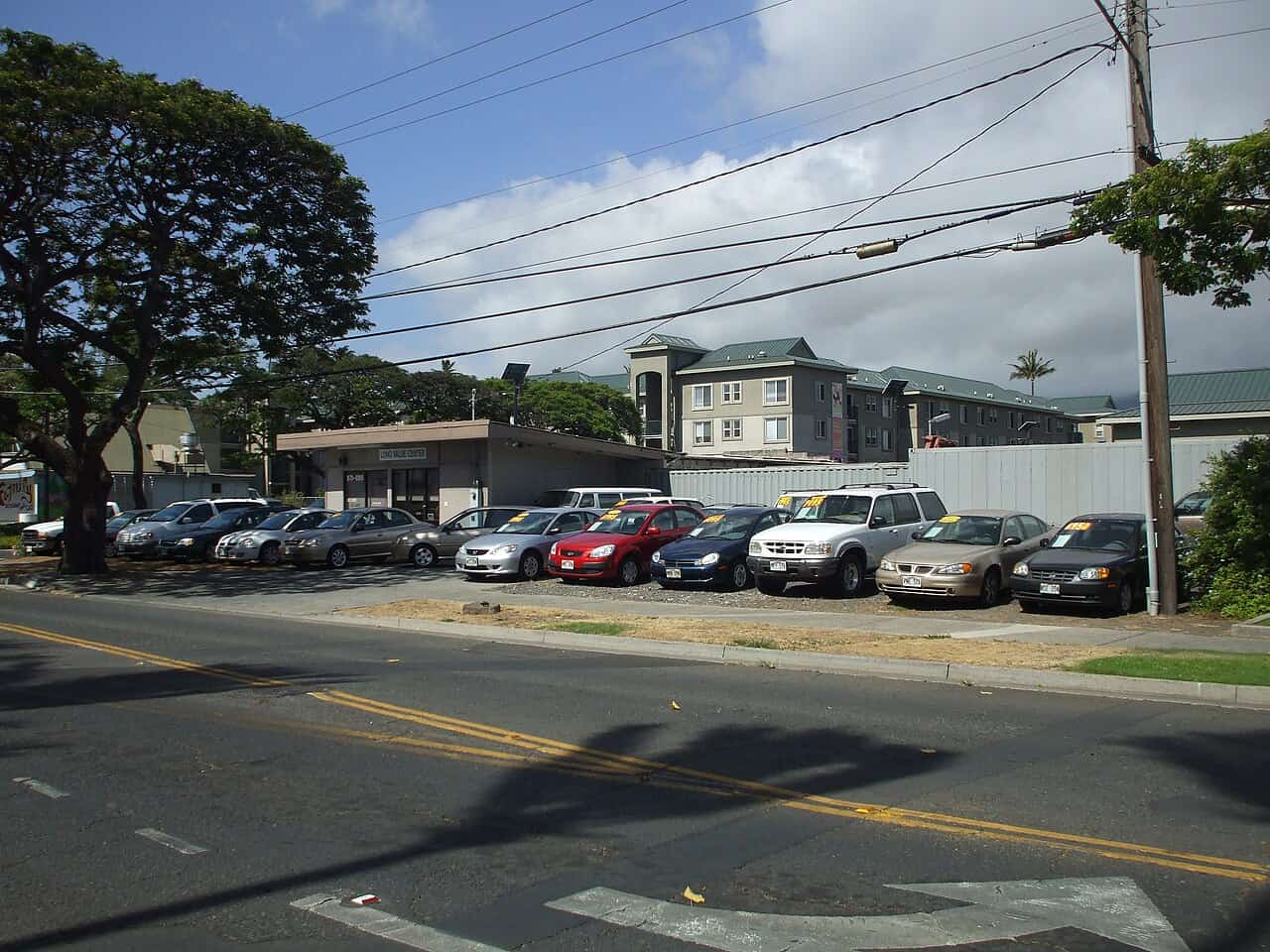
⚡ Quick Answer: How to Report Used Car Dealership Fraud
- Immediate Action / Statutory Deadline: Serve a formal pre-litigation demand letter revoking acceptance within 30 days of discovering undisclosed salvage, mechanical defect, or financing fraud.
- Primary Regulatory Agency: File an official complaint with your State DMV Dealer Enforcement Division, State Attorney General Consumer Protection, and the FTC via ReportFraud.ftc.gov.
- Statutory / Legal Remedy: Full contract rescission and down payment refund, statutory treble damages under state unfair trade practices acts, and $10,000 per violation under the Federal Odometer Act.
Purchasing a used motor vehicle only to discover an undisclosed salvage title, tampered odometer, hidden financing fees, or catastrophic mechanical defects is a devastating consumer ordeal. When an auto dealer engages in deceptive trade practices, knowing how to report used car dealership fraud empowers you to invoke the Federal Trade Commission (FTC) CARS Rule, file complaints with state motor vehicle licensing divisions, and demand complete contract rescission.
Auto sales fraud is not a routine civil breach of contract; it represents an unlawful violation of federal trade regulations and state Deceptive Trade Practices Acts (DTPA). Under the Federal Trade Commission’s Combating Auto Retail Scams (CARS) Rule (16 C.F.R. Part 463), dealerships are strictly barred from misrepresenting vehicle condition, pricing, financing terms, or charging for non-beneficial add-on products without clear, informed written consent. Fraudulent dealers face administrative license revocation, civil restitution, and statutory damages.
⚖️ Facing Damages or Unreturned Funds Under $25,000?
Check your state small claims court dollar ceiling, statutes of limitations, and attorney representation rules.
How Do I Report Used Car Dealership Fraud?
To report used car dealership fraud, assemble your buyer order, FTC Buyer’s Guide window sticker, and independent mechanic diagnostics, file an administrative complaint with your State Attorney General Consumer Protection Division and Department of Motor Vehicles, and serve a formal certified mail pre-litigation demand letter.
- Gather Vehicle Diagnostic Forensics: Obtain certified mechanic inspection reports documenting undisclosed frame damage, flooded components, or odometer rollback.
- Serve a Formal Pre-Litigation Demand: Deliver a written notice demanding contract rescission or repair reimbursement via USPS Certified Mail.
- File State AG and DMV Complaints: Submit official complaints to the State Attorney General and the state motor vehicle dealer licensing board.
Common Forms of Unlawful Dealership Fraud
Deceptive automotive retailers employ several systematic schemes to inflate profits at the expense of car buyers. Key actionable violations include:
- Title Washing and Undisclosed Salvage / Flood Damage: Transferring vehicles across state lines to scrub “salvage,” “rebuilt,” “junk,” or “flood” brands from state vehicle titles. Concealing total loss history violates both federal motor vehicle safety statutes and state consumer protection laws.
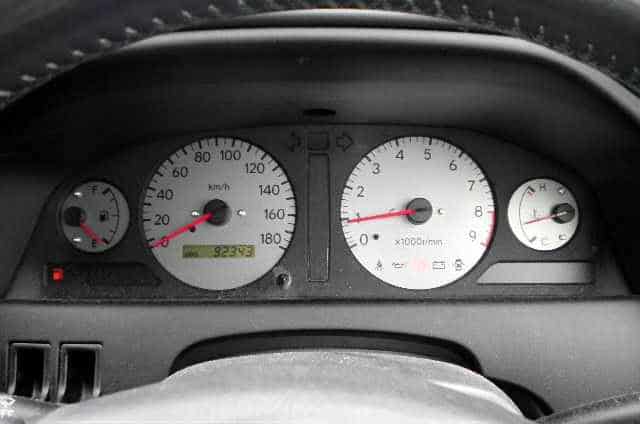
- Odometer Tampering and Rollbacks: Altering analog odometers or reprogramming digital instrument clusters to conceal excessive mileage. Under the Federal Odometer Act (49 U.S.C. § 32701 et seq.), victims are entitled to three times actual damages or $10,000, whichever is greater.
- Spot Delivery and “Yo-Yo” Financing Scams: Allowing a buyer to drive away believing financing is finalized, then calling days or weeks later claiming the loan “fell through” and demanding a larger down payment or higher interest rate under threat of repossession or vehicle theft reports.
- Bait-and-Switch Pricing & Phantom Add-Ons: Advertising a low online cash price and then requiring non-negotiable hidden fees ($1,500+ “dealer prep,” mandatory $995 nitrogen tires, or unapplied ceramic coatings) in direct violation of the FTC CARS Rule.
5-Stage Escalation Path for Auto Dealership Fraud
From forensic mechanical inspection to state licensing enforcement.
Obtain a written diagnostic report from an independent ASE-certified master technician and pull an official NMVTIS history report.
Serve certified mail notice under Uniform Commercial Code § 2-608 revoking acceptance and demanding full refund.
Submit an official complaint to the State DMV Dealer Licensing Division, which audits dealer surety bonds.
Lodge complaints with the State Attorney General Consumer Protection Division and FTC ReportFraud portal.
Step-by-Step Reporting Guide for Used Car Fraud
When you discover fraud following a vehicle purchase, swift procedural action is required to protect your financial standing:
Step 1: Secure Independent Forensic Evidence and NMVTIS Records
Do not return to the selling dealer for diagnostic evaluation. Take the vehicle immediately to an independent ASE-certified repair facility. Request an unvarnished post-purchase diagnostic inspection documenting pre-existing frame damage, flood corrosion, deployed airbags that were never replaced, or altered wiring harnesses. Concurrently, pull an official National Motor Vehicle Title Information System (NMVTIS) report via an approved provider (such as VehicleHistory.gov) to establish the paper trail of prior salvage or total loss records.
Step 2: Serve a Formal Pre-Litigation Revocation of Acceptance
Under Uniform Commercial Code (U.C.C.) § 2-608, a buyer may revoke acceptance of a commercial good whose non-conformity substantially impairs its value, provided revocation occurs within a reasonable time after discovery. Send a formal demand letter via USPS Certified Mail to the dealership’s owner and general manager revoking acceptance, returning title to the vehicle, and demanding a full refund of your down payment, loan payments, and finance charges.
Step 3: File an Official Complaint with the State DMV Dealer Licensing Division
Every licensed motor vehicle dealer must post an official surety bond (typically $25,000 to $100,000) with the state Department of Motor Vehicles. If a dealer engages in title fraud or refuses to remit vehicle titles within statutory windows (usually 30 days), file an administrative complaint with the DMV Dealer Enforcement Bureau. State investigators have the authority to audit dealer inventory, freeze dealer licenses, and file claims against the dealer’s surety bond to repay victimized buyers.
Auto Fraud Legal Framework & Statutory Remedies
Myth vs. Legal Reality: Used Car Dealership Fraud
Reality: An “As-Is” clause only disclaims implied warranties; it does NOT shield a dealer from intentional misrepresentation, affirmative fraud, title washing, or odometer tampering.
Reality: If financing cannot be secured on the agreed terms, the transaction is canceled. The dealer must immediately return your trade-in vehicle and full down payment without deducting mileage fees.
Formal Statutory Demand: Revocation of Acceptance & Refund
Deliver this formal notice via USPS Certified Mail to the dealership general manager and corporate registered agent:
[Date]

SENT VIA USPS CERTIFIED MAIL
RETURN RECEIPT REQUESTED: [Certified Mail Tracking #]

To:
Dealer Principal / General Management
[Dealership Corporate Name]
[Dealership Street Address]
[City, State, ZIP Code]

RE: FORMAL STATUTORY REVOCATION OF ACCEPTANCE & DEMAND FOR FULL REFUND
Buyer Name: [Your Full Name]
Vehicle Identification Number (VIN): [Insert 17-Digit VIN]
Year, Make, Model: [Year, Make, Model]
Date of Purchase: [Purchase Date]
Total Purchase Price: $[Purchase Price, e.g. 18,500.00]
Down Payment / Trade-in Allowance Paid: $[Amount Paid, e.g. 4,000.00]

Dear Dealer Principal / General Manager:

Please accept this letter as formal written notice pursuant to Uniform Commercial Code (U.C.C.) § 2-608, the Magnuson-Moss Warranty Act (15 U.S.C. § 2301 et seq.), and the state Deceptive Trade Practices Act that I hereby REVOKE ACCEPTANCE of the motor vehicle referenced above.

The vehicle suffers from severe non-conformities and undisclosed defects that substantially impair its value, safety, and merchantability. Specifically:
1. [Insert specific fraudulent disclosure: e.g., Undisclosed prior frame/structural collision damage and flood branding that was actively concealed on vehicle disclosures].
2. [Insert mechanical defect or financing scam: e.g., Independent ASE-certified diagnostic inspection confirms pre-existing engine transmission failure occurring within 72 hours of sale].
3. [Insert deceptive add-on details: e.g., Mandatory $1,295 dealer preparation fee charged in direct violation of the FTC CARS Rule, 16 C.F.R. Part 463].

Under U.C.C. § 2-608, a buyer is entitled to revoke acceptance where non-conformities could not have been reasonably discovered prior to purchase due to dealer representations or latent defects.

DEMAND FOR RELIEF:
1. Immediately cancel the sales contract and promissory retail installment contract.
2. Remit a full refund of all monies paid to date, including down payment, monthly installments, and registration fees totaling $[Amount Paid] within ten (10) business days.
3. Return my traded-in vehicle (or its agreed cash value of $[Trade-in Value]) immediately.
4. Arrange for the pickup and transport of the subject vehicle from my residence at no expense to me.

If this matter is not resolved within ten (10) business days, I will immediately file an official complaint against your dealer license with the State Department of Motor Vehicles Enforcement Division, lodge formal deceptive trade practices complaints with the State Attorney General and Federal Trade Commission, and initiate small claims litigation seeking treble damages and statutory attorney fees.

Sincerely,

__________________________________________
[Your Signature]

[Your Printed Full Name]
[Your Mailing Address]
[Your Phone Number]
[Your Email Address]

ENCLOSURES:
1. Copy of Retail Buyer's Order and Sales Agreement
2. Independent Certified Mechanic Diagnostic Inspection Report
3. NMVTIS Vehicle Title History Report
Recovering Losses in Small Claims Court
If the dealership ignores your certified demand letter, filing a claim in local small claims court is often the fastest route to financial recovery. Most state small claims limits range from $5,000 to $25,000, allowing consumers to sue without paying high attorney retainer fees. Prevailing consumers under state consumer protection statutes are routinely awarded statutory treble damages (3x actual losses), reimbursement of towing and repair costs, and court filing fees. Ensure you cross-reference your state’s small claims dollar ceiling and written contract statute of limitations before initiating your claim.
If a dealer or private seller altered the digital odometer or falsified the title disclosure, consult our statutory federal guide on How to Report Used Car Odometer Rollback & Digital Mileage Tampering.
Frequently Asked Questions
Does the FTC Used Car Rule protect buyers against deceptive dealership practices?
Yes. The FTC Used Car Rule (16 C.F.R. Part 455) requires dealers to post a prominent Buyers Guide in the window of every used vehicle offered for sale, stating whether the vehicle is sold “As Is – No Dealer Warranty” or with a specific warranty. Any oral representations made by a dealer that contradict the Buyers Guide violate federal law. Additionally, the FTC CARS Rule prohibits misrepresenting total drive-off pricing, hidden add-ons, or vehicle accident history.
What is “yo-yo financing” or spot delivery fraud and is it illegal?
“Yo-yo financing” occurs when a dealer allows a buyer to drive away under the representation that financing is finalized, and then calls them days later claiming financing fell through and demanding higher interest rates or additional down payments under threat of repossession. If the dealer had no firm financing commitment or fails to return the buyer’s full down payment and trade-in vehicle immediately upon loan rejection, this constitutes an unfair and deceptive trade practice under state UDAP laws and Truth in Lending Act (TILA).
Where do I file a formal complaint against a fraudulent car dealership?
File an administrative complaint with your State Department of Motor Vehicles (DMV) Dealer Enforcement Division or State Motor Vehicle Dealer Board, which holds the legal authority to inspect dealership sales logs, suspend dealer operating licenses, and make awards from state dealer surety bonds. Concurrently submit complaints to your State Attorney General and the Consumer Financial Protection Bureau (CFPB) for financing fraud.
Rules and complaint offices vary by state. Use our state lookup to find the correct reporting agency, phone number, and complaint portal.
Find reporting agencies by state →Before you go…
Combatting automotive dealership fraud requires swift evidentiary documentation and formal statutory notification under state UDAP laws and the UCC. Retain all purchase contracts, save diagnostic scan reports, and serve written demands via USPS Certified Mail.
HowToReport.org is an independent educational site — not a government agency. We link to official .gov and .org sources, but we cannot file a complaint for you or give legal advice. Read our full Legal Disclaimer & Safe Harbor →
Damages Under ,000? Check Your State Small Claims Limit
If administrative complaints fail to recover your financial losses, you can sue in local small claims court without expensive attorney fees. Select your state below for instant dollar limits and statutory deadlines:
Related Statutory Reporting Guides & Citizen Protections
Official step-by-step reporting protocols in this regulatory category.


What happens next
- Most agencies send an acknowledgment or reference number — save it with your copies.
- Investigations vary by agency; complex cases can take weeks or months.
- If you do not hear back within the timeframe listed on the agency site, follow up in writing.
- Keep reporting to additional agencies if your issue crosses categories (for example, fraud plus billing).
2 thoughts on “How to Report Used Car Dealership Fraud”