⚡ Quick Answer: How to Report Nursing Home Abuse
- Immediate Action & Statutory Window: Call 911 for life-threatening danger; report serious injuries to Adult Protective Services (APS) and the state licensing department within 2 hours (24 hours for non-injury neglect under 42 CFR § 483.12).
- Primary Regulatory Agencies: State Long-Term Care Ombudsman, County Adult Protective Services, and your State Department of Health Licensing & Certification Division.
- Statutory & Legal Remedies: Immediate state survey investigation, CMS citation fines, license suspension/revocation, mandatory facility plan of correction, and civil tort recovery for medical negligence.
For chronic staffing shortages, missed medication rounds, and caregiver ratios in residential senior care, consult our step-by-step guide on How to Report Assisted Living Facility Understaffing.
How Do I Report Nursing Home Abuse?
You can report nursing home abuse or neglect directly to Adult Protective Services (APS) and your state’s Long-Term Care Ombudsman. If a resident is in immediate physical danger, call 911 right away. Submit formal complaints to the state health department, which licenses and inspects assisted living facilities.
- Gather Evidence: Document visible injuries with photos, record dates and times of incidents, and gather medical records.
- File Your Report: Contact your local APS office, the state ombudsman, and the state department of health licensing division.
- Follow Up: Relocate the resident to a safe environment and consult an elder abuse attorney for civil litigation.
Nursing home abuse and elder neglect represent severe violations of federal and state care standards governing long-term residential facilities. Under the federal Nursing Home Reform Act of 1987 (OBRA ’87) and 42 CFR Part 483, nursing home residents possess legally enforceable rights to remain free from physical abuse, chemical restraints, involuntary seclusion, and systemic medical neglect. When licensed facilities fail to maintain required staffing levels or ignore worsening conditions, immediate multi-channel regulatory reporting protects vulnerable residents from further harm.

If a resident exhibits unexplained acute fractures, internal hemorrhaging, severe malnutrition, or signs of sexual or physical assault, immediately call 911 and request an emergency medical transfer to an independent hospital emergency room. Do not permit facility administrators to perform internal evaluations before external medical personnel document the injuries.
Recognizing Nursing Home Abuse: Clinical Indicators & Legal Thresholds
Long-term care violations encompass multiple distinct categories under federal definitions. Physical abuse involves intentional infliction of bodily injury or unjustified restraint. Neglect, by contrast, constitutes the deprivation by a caretaker of goods or services necessary to maintain health and safety, such as wound treatment, hydration, assistance with hygiene, and prescribed medications.
Nursing Home Violation Severity & Clinical Indicators
Unexplained bruises on inner arms or thighs, bilateral wrist contusions from unapproved physical restraints, fractures, head trauma, and sudden behavioral withdrawal.
Stage 3 or Stage 4 pressure ulcers (bedsores), acute dehydration, untreated urinary tract infections (UTIs), rapid unexpected weight loss, and delayed diaper changes.
Administration of heavy psychotropic or sedating medications without diagnosed psychiatric conditions, used solely for staff convenience in understaffed facilities.
Missing personal jewelry, unauthorized credit card charges, coerced changes to powers of attorney, or unexplained withdrawals from resident trust funds.
Where to Report: Agency Jurisdictions & Ombudsman Advocacy
To ensure thorough investigations, file complaints concurrently across multiple independent regulatory oversight bodies. Each entity possesses distinct statutory enforcement authorities:
Multi-Agency Elder Care Reporting Hierarchy
Long-Term Care Ombudsman
Designated independent advocates under the Older Americans Act. They conduct on-site visits, investigate grievances, and advocate directly for resident rights.
Locate State Ombudsman →Adult Protective Services (APS)
County social service units empowered to investigate elder abuse, physical violence, and abandonment, coordinating emergency protective custody.
Find Local APS Agency →State Department of Health
The licensing body conducting unannounced regulatory surveys. They issue federal CMS deficiency citations, levy civil money penalties, and revoke operating licenses.
Health Department Directory →Step-by-Step Guide to Filing an Official Elder Abuse Complaint
Step 1: Documenting Physical and Clinical Evidence
Evidence preservation must begin before facility administration can clean, alter, or scrub records. Gather concrete physical documentation immediately upon discovering signs of harm:
- Take high-resolution, dated photographs of all contusions, skin tears, pressure ulcers, and soiled linens. Place a small scale reference (such as a coin or ruler) beside wounds to establish measurement.
- Document the resident’s mental status, verbal statements, and physical distress in a bound notebook.
- Record the exact date, time, shift staffing level, and names of all certified nursing assistants (CNAs) and charge nurses on duty.
- Collect soiled clothing, broken eyeglasses, or damaged assistive devices in clean plastic storage bags.

Step 2: Demanding Immediate Complete Medical Records
Under federal Medicare conditions of participation (42 CFR § 483.10(g)(2)), residents and their designated medical powers of attorney have the legal right to inspect all medical records within 24 hours of a written or oral request, and to obtain paper or electronic copies within two business days. Demand the following specific files:
- Electronic Health Records (EHR) audit logs showing the exact times medications and vitals were recorded.
- Medication Administration Records (MAR) and Treatment Administration Records (TAR).
- Physician order sheets, nurse shift progress notes, and turning/repositioning logs for bedsore prevention.
- Incident and fall reports prepared by facility staff.
Step 3: Submitting Formal Regulatory Complaints to State Surveyors
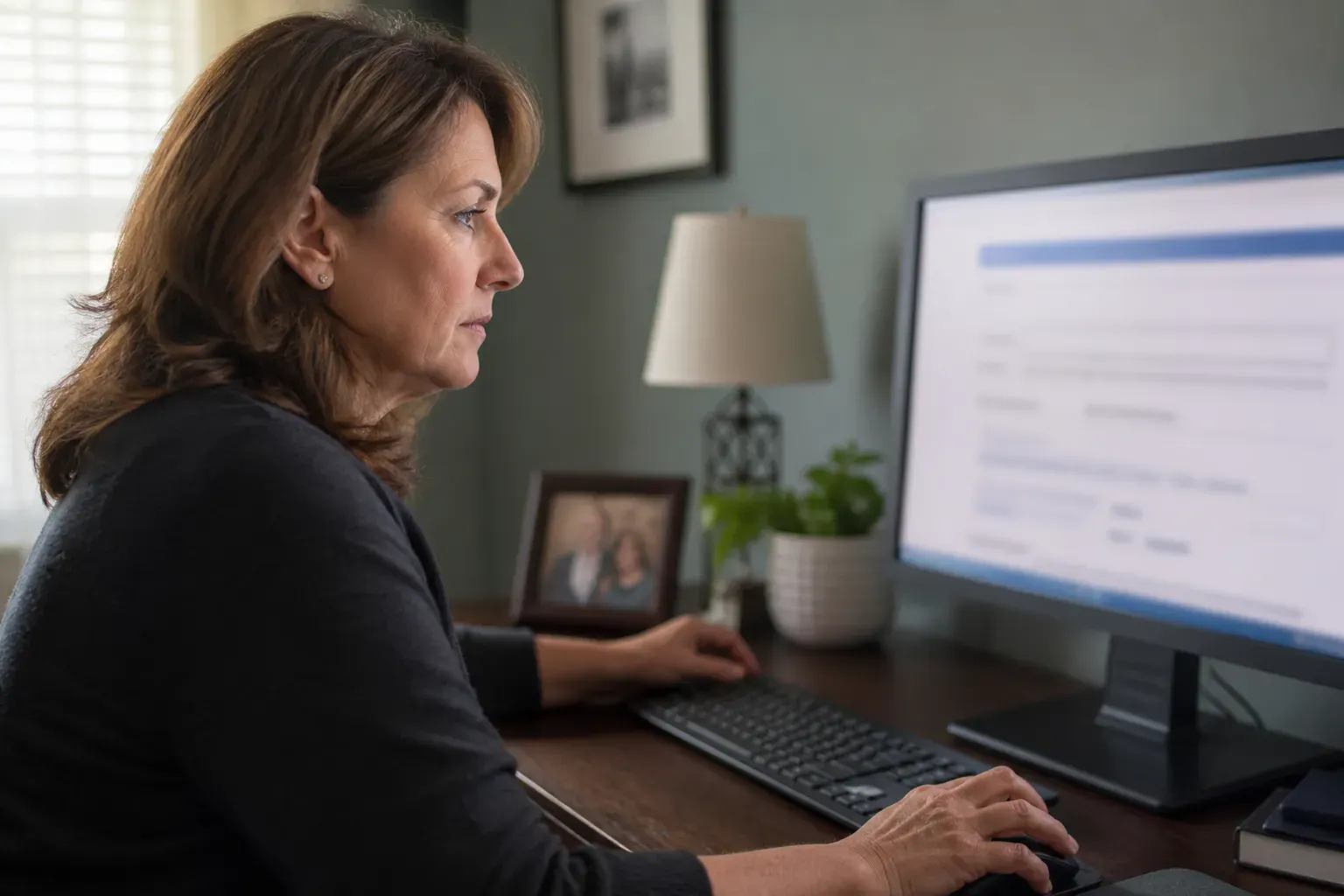
Contact the licensing and certification division of your State Department of Public Health. When submitting your complaint, explicitly request an unannounced on-site investigation during off-peak hours or weekend shifts when staffing ratios drop. Provide the following details:
- Facility’s exact legal operating name, address, and CMS Medicare provider number.
- Resident’s room number and primary attending physician.
- Chronological narrative of the incident, citing specific dates and observed staff names.
- Attached medical records and photographic exhibits.

Step 4: Engaging Adult Protective Services & Local Law Enforcement
If the conduct involves intentional violence, theft, or sexual assault, file a criminal complaint with local police and contact County Adult Protective Services. Request a formal Police Incident Report Number. Law enforcement officers possess subpoena powers to secure surveillance camera footage from facility hallways before the security system overwrites recorded data.
Step 5: Tracking the State Survey Inspection Report (CMS Form 2567)
Following an inspection, state investigators compile a public Statement of Deficiencies and Plan of Correction (CMS Form 2567). This document details every federal regulation the nursing home violated, classified by scope and severity. Request a full copy of Form 2567 once finalized; this government finding serves as vital evidence in civil liability claims.
Elder Abuse & Neglect Escalation Roadmap
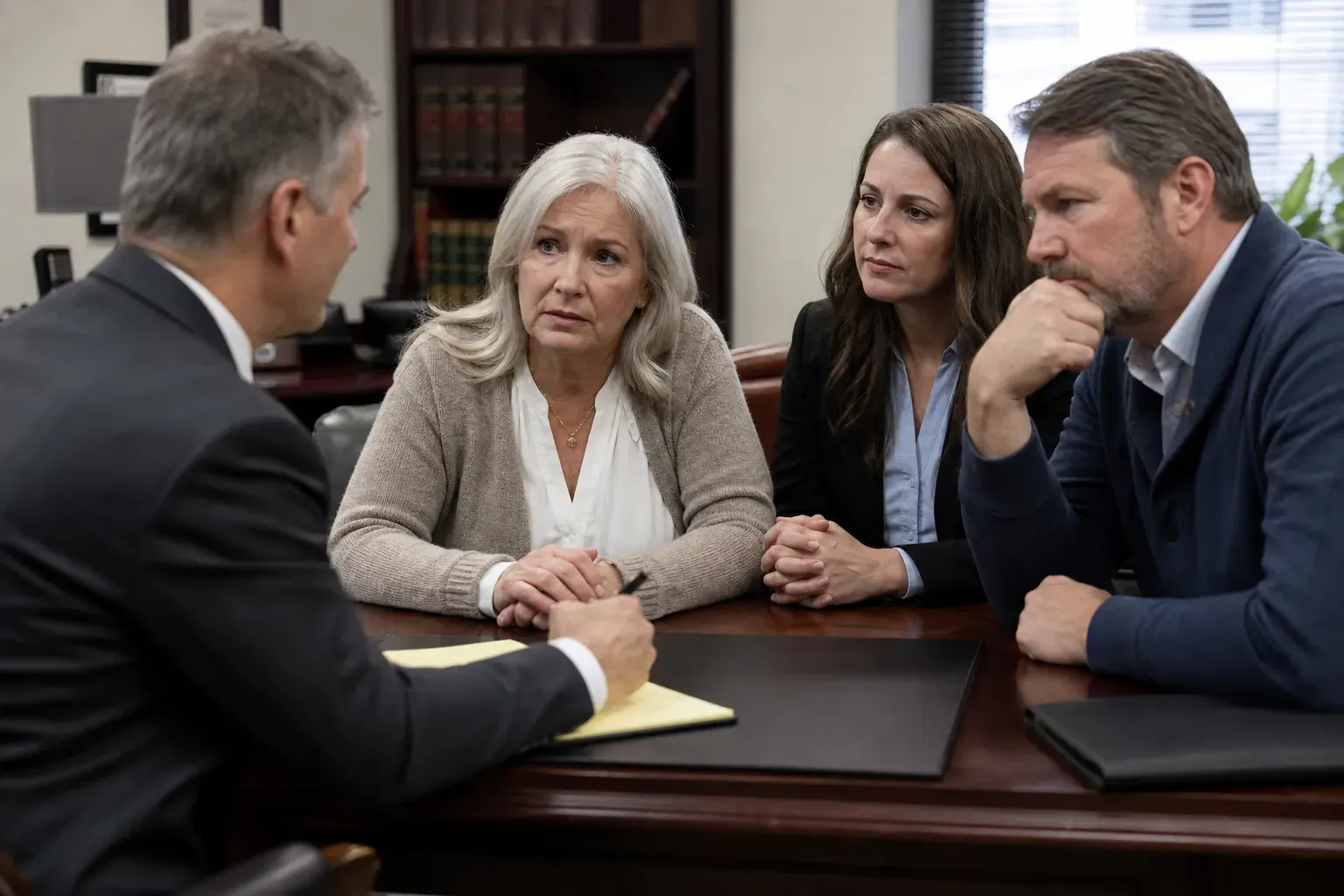
Filing an elder neglect complaint requires concurrent engagement with resident advocates, regulatory bodies, and law enforcement. This structured timeline guides your escalation:
4-Stage Nursing Home Neglect Escalation Roadmap
Medical Triage & Evidence
Transfer resident for independent emergency care if injured. Photograph wounds with measurement markers.
Records & Ombudsman
Exercise 42 CFR § 483.10 rights to obtain electronic health records, shift logs, and notify the Long-Term Care Ombudsman.
State Health Survey
File formal complaints with State Department of Health and APS. State surveyors conduct unannounced on-site inspection.
CMS Form 2567 & Legal Action
Receive public deficiency report. Escalate to state attorney general medicaid fraud unit or civil legal counsel.
Formal Administrative Grievance & Emergency Records Hold Template
Deliver this formal legal notice to the nursing home’s licensed administrator, director of nursing (DON), and corporate compliance officer. Send via USPS Certified Mail with Return Receipt Requested or hand-deliver with a signed receipt acknowledgment:
Common Myths vs. Legal Realities in Nursing Home Reporting
Elder Care Reporting: Legal Facts vs. Common Misconceptions
Reality: Federal care standards consider most pressure ulcers clinically avoidable. Under 42 CFR § 483.25, facilities must ensure residents receive necessary care and repositioning to prevent new sores and heal existing wounds.
Reality: Retaliatory discharges are strictly prohibited by federal law. Facilities can only transfer or discharge a resident for specific statutory grounds (such as unpaid care or urgent clinical needs), requiring a 30-day written notice and right to an administrative hearing.
Reality: Ombudsmen are independent advocates established under federal law. They are completely separate from nursing homes and do not disclose information without the resident’s or legal guardian’s explicit consent.
Reality: Even if an admission agreement contains a mandatory arbitration clause for private civil disputes, it cannot limit your right to report abuse to state licensing boards, APS, or the police.
Frequently Asked Questions
What is the difference between an Ombudsman and Adult Protective Services?
An Ombudsman is a resident advocate focused on dispute resolution, resident rights, and quality of life inside licensed facilities. Adult Protective Services (APS) is a state social welfare agency empowered to investigate serious abuse, neglect, and financial exploitation, working alongside law enforcement to take emergency protective actions.
Can family members install a camera in a nursing home room?
Over a dozen states (including Illinois, Texas, Washington, and Ohio) have passed “Granny Cam” laws allowing authorized hidden or visible cameras in resident rooms. In other jurisdictions, cameras are permitted provided you obtain written consent from roommates and comply with facility policies. Check your specific state statutory guidelines before setting up electronic monitoring.
How do I check a nursing home’s past inspection records and citations?
Visit Medicare’s official Care Compare tool at medicare.gov/care-compare. Enter the facility name to review their overall star rating, health inspection deficiency history, staffing ratios, and federal penalty records.
Who pays for an Ombudsman’s services?
Ombudsman advocacy services are 100% free and funded through federal Older Americans Act grants and state appropriations. There is never any fee charged to residents or their families.
Official Elder Care Portals & Regulatory Authorities
- National Consumer Voice for Quality Long-Term Care: Locate Your Long-Term Care Ombudsman
- National Adult Protective Services Association (NAPSA): Find Local Adult Protective Services
- Medicare Care Compare: CMS Official Nursing Home Star Ratings & Inspection Reports
- Federal Nursing Home Regulations: 42 CFR Part 483 • Requirements for States and Long Term Care Facilities
HowToReport.org is an independent educational site — not a government agency. We link to official .gov and .org sources, but we cannot file a complaint for you or give legal advice. Read our full Legal Disclaimer & Safe Harbor →
Related Statutory Reporting Guides & Citizen Protections
Official step-by-step reporting protocols in this regulatory category.
What happens next
- Most agencies send an acknowledgment or reference number — save it with your copies.
- Investigations vary by agency; complex cases can take weeks or months.
- If you do not hear back within the timeframe listed on the agency site, follow up in writing.
- Keep reporting to additional agencies if your issue crosses categories (for example, fraud plus billing).