⚡ Quick Answer: How to Report Credit Card Fraud
- Immediate Action / Account Lock: Call the dedicated fraud phone number on the back of your card immediately to freeze the account, invalidate compromised card numbers, and request an expedited replacement.
- Statutory Liability Protection: Under the federal Fair Credit Billing Act (FCBA), consumer liability for unauthorized charges is strictly capped at $50—and drops to $0 if reported before unauthorized charges occur or if the physical card was not stolen.
- Enforceable Written Dispute: Do not rely solely on phone notifications; mail a formal written billing error notice via USPS Certified Mail to the issuer’s designated billing inquiry address within 60 days of the statement date.
⚖️ Facing Damages or Unreturned Funds Under $25,000?
Check your state small claims court dollar ceiling, statutes of limitations, and attorney representation rules.
How Do I Report Credit Card Fraud?
Report credit card fraud immediately to your card issuer’s fraud department to block the compromised account. The bank will cancel your current card, issue a replacement with a new number, and launch an internal investigation. Federal law limits your personal liability for unauthorized charges to a maximum of fifty dollars.
- Gather Evidence: Highlight all unauthorized transactions on your billing statement and note the exact time you noticed your card was missing or compromised.
- File Your Report: Call the emergency toll-free number located on the back of your card or on your monthly statement to report the fraud.
- Follow Up: Monitor your replacement card for suspicious activity and check your credit reports to ensure the fraud did not spread to other accounts.
Credit card fraud is one of the most common crimes in the world, but thankfully, it is also one of the easiest to recover from—provided you act quickly. Unlike debit cards (which drain money directly out of your checking account), credit cards offer robust federal protections. When a thief uses your credit card, they are stealing the bank’s money, not yours.
However, you can lose these federal protections if you fail to report the fraud in a timely manner. The Fair Credit Billing Act (FCBA) sets strict deadlines for disputing unauthorized charges. If you simply ignore the bill or wait six months to tell the bank, you could be held legally responsible for thousands of dollars in fraudulent debt.
The FCBA protections only apply to credit cards. If your debit card is stolen, you fall under the Electronic Fund Transfer Act (EFTA), which has much harsher deadlines. If you wait more than 60 days to report debit card fraud, your liability is unlimited—you could lose every penny in your checking account.
Understanding Credit Card Fraud: Warning Signs & Types
Fraudsters use various techniques to compromise your account, ranging from low-tech physical theft to sophisticated digital skimming. Identifying how your data was stolen helps the bank secure your new account.
The Credit Card Fraud Typology
1. Card-Not-Present (CNP) Fraud
A hacker breaches an online retailer’s database, steals your credit card number, and uses it to buy expensive electronics online. You still possess the physical card.
2. Skimming & Shimming
Thieves install an invisible microchip reader inside a gas station pump or ATM, copying your card data when you insert it to pay.
3. Account Takeover (ATO)
A scammer calls the bank pretending to be you, successfully guesses your security questions, changes your address, and requests a new card be mailed to them.
4. “Friendly” Fraud
Your teenager borrows your credit card without explicit permission to buy $500 worth of video game skins, and you attempt to dispute it with the bank.
Where to Report: The Resolution Jurisdiction Breakdown
Reporting credit card fraud requires notifying the bank to stop the bleeding, and notifying federal agencies to protect your broader identity.
Credit Card Fraud Enforcement Matrix
Step-by-Step Guide to Filing Your FCBA Dispute
Do not just hit “dispute” on the mobile app and assume you are fully protected. To preserve your statutory rights under the Fair Credit Billing Act, you must follow the formal written dispute process.

Step 1: The Immediate Phone Call
Call the toll-free number on the back of your card (or the number listed on your monthly statement). Inform them of the unauthorized charges. The agent will immediately cancel the card, issue a new one with a new number, and initiate a preliminary investigation.
Step 2: The Formal Written Notice
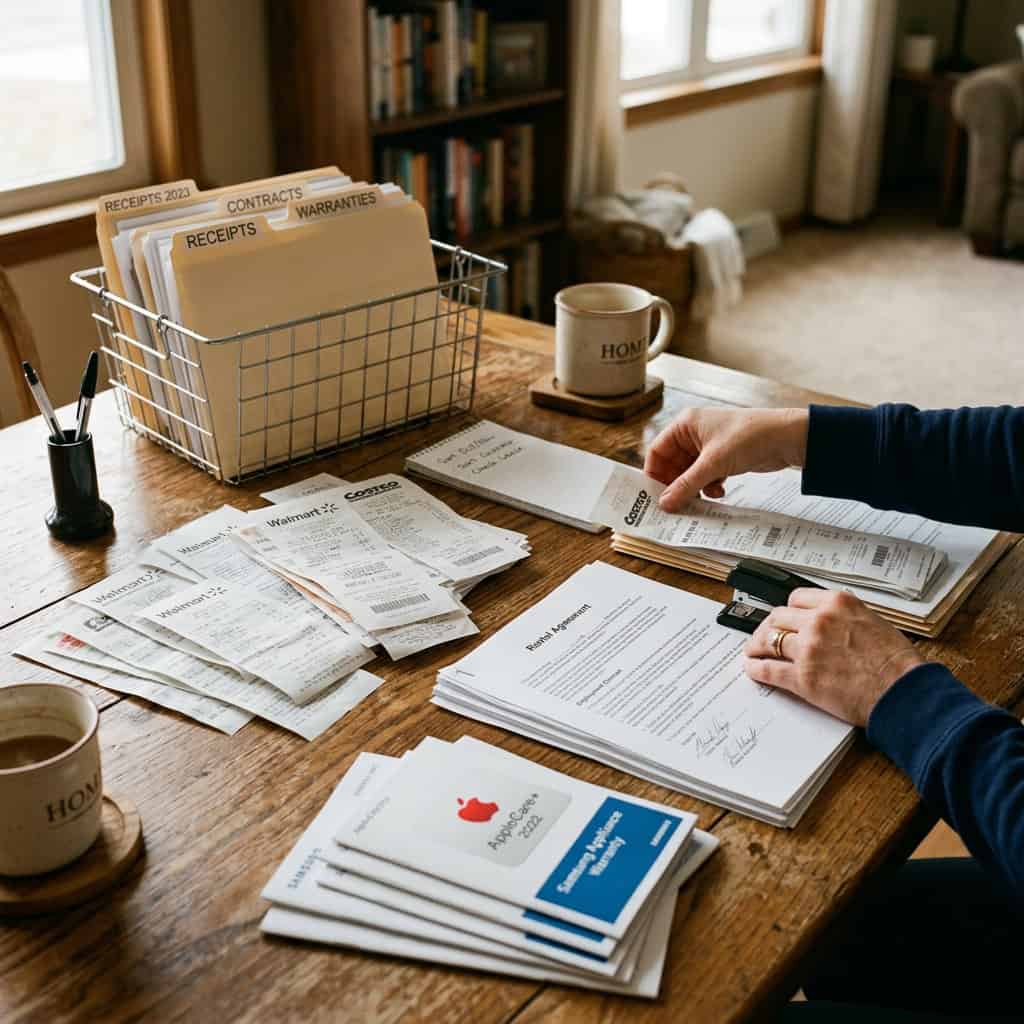
The FCBA requires you to send a written “billing error notice” to the card issuer within 60 days of the statement date containing the fraudulent charge. Send the letter via Certified Mail to the specific “billing inquiries” address listed on your statement (this is often a different address than where you mail your payments). A template is provided below.

Step 3: Withhold Payment for the Disputed Amount
Under the FCBA, you do not have to pay the disputed fraudulent amount, nor do you have to pay any associated interest or late fees while the investigation is pending. However, you must continue to pay your normal minimum payment for all other legitimate charges on the account.
Step 4: Await the Bank’s Decision
The bank must acknowledge your letter within 30 days. They must resolve the dispute within two billing cycles (but not more than 90 days). If they determine the charge was fraudulent, they will permanently remove it from your bill. If they determine you actually made the charge, they must provide a written explanation and documentary evidence proving it.
Fraud Recovery Checklist & Reporting Timeline
Follow this strict timeline to ensure your liability remains capped at $0 to $50.
4-Stage Credit Card Fraud Roadmap
Immediate Action
Call the bank to freeze the card. Review your statement for any “test charges” (e.g., $1 charges from unknown gas stations).
Within 60 Days
Mail the formal FCBA Billing Error Notice via Certified Mail to the bank’s designated dispute address.
Within 30 to 90 Days
The bank acknowledges the dispute within 30 days and permanently reverses the charges within 90 days.
Credit Protection
Pull your free credit reports at AnnualCreditReport.com to ensure the fraud did not negatively impact your FICO score.
To legally trigger your rights under the FCBA, you must put the dispute in writing. Copy and paste this template, fill in your specific details, and mail it via Certified Mail. Do not just rely on the mobile app.
[Date]
VIA CERTIFIED MAIL RETURN RECEIPT REQUESTED
To: [Name of Credit Card Issuer], Billing Inquiries Department
Address: [Address exactly as listed for billing disputes on your statement]
RE: Notice of Billing Error / Account #[Insert Account Number]
Dear Billing Inquiries Department,
I am writing to formally dispute a billing error on my account in the amount of [$ Amount]. This charge appears on my statement dated [Statement Date].
I am disputing this charge because it is an unauthorized transaction. I did not make this purchase, nor did I authorize anyone else to make this purchase on my behalf.
Disputed Charge Details:
Merchant Name: [Name of Merchant]
Transaction Date: [Date of Charge]
Amount: [$ Amount]
Pursuant to the Fair Credit Billing Act (FCBA), I am requesting that you promptly investigate this matter, correct the billing error, remove the unauthorized charge and any related finance charges or late fees from my account, and provide me with a written explanation of your findings.
Enclosed is a copy of my billing statement with the fraudulent charge highlighted.
Sincerely,
[Your Printed Name]
[Your Signature]
[Your Phone Number & Address]
Common Myths vs. Legal Realities About Credit Card Fraud
Banks often rely on consumers misunderstanding their rights to shift the blame (and the financial loss) onto the victim.
Myth vs. Fact
“The bank said I have to pay the fraudulent $2,000 charge while they investigate, and they will refund me later if I win.”
Under the FCBA, it is illegal for a bank to force you to pay a disputed charge while the investigation is ongoing. They also cannot report the disputed amount as “late” to the credit bureaus.
“I accidentally left my credit card at the bar and someone stole it, so the bank says the fraud is my fault.”
Negligence (losing your card) does not invalidate your FCBA protections. As long as you report the loss promptly, your maximum liability remains legally capped at $50, regardless of how you lost the card.
Frequently Asked Questions
What is the difference between Fraud and a Billing Dispute?
Fraud means you did not authorize the transaction (e.g., a hacker stole your number). A billing dispute means you authorized the transaction, but the merchant breached the contract (e.g., they shipped you a broken item and refuse to accept a return). Both are protected under the FCBA, but they are handled by different departments at the bank.
Can the bank report me to the credit bureaus if I dispute a charge?
No. While an FCBA investigation is pending, the bank is legally prohibited from reporting the disputed amount as delinquent to Equifax, Experian, or TransUnion. However, if they conclude the charge is valid, they will require you to pay it, and failure to pay at that point will damage your credit.
Do I need to file a police report?
If your physical card was stolen out of your wallet, or if someone stole your identity to open a brand-new credit card account in your name, yes. Most banks will require a police report (or an FTC Identity Theft Report) to prove you were the victim of a crime. If your card was simply compromised online (Card-Not-Present fraud), a police report is rarely required.
- Federal Trade Commission (FTC): Detailed federal guidance on your rights under the FCBA regarding unauthorized charges. — FTC.gov FCBA Guide
- Fair Credit Billing Act (15 U.S.C. § 1666): The federal statute outlining the 60-day written notification requirement and the $50 liability cap.
- IdentityTheft.gov: The federal government’s official one-stop resource to report identity theft and develop a recovery plan. — IdentityTheft.gov
Before You Go: Citizen Protection Protocol
Protecting yourself against unlawful practices requires swift action, methodical documentation, and strict adherence to statutory deadlines. Preserve all original agreements, maintain contemporaneous call notes, and send formal correspondence via certified mail with return receipt requested.
HowToReport.org is an independent educational site — not a government agency. We link to official .gov and .org sources, but we cannot file a complaint for you or give legal advice. Read our full Legal Disclaimer & Safe Harbor →
Damages Under ,000? Check Your State Small Claims Limit
If administrative complaints fail to recover your financial losses, you can sue in local small claims court without expensive attorney fees. Select your state below for instant dollar limits and statutory deadlines:
Related Statutory Reporting Guides & Citizen Protections
Official step-by-step reporting protocols in this regulatory category.


Official sources
Use these official channels for your complaint — verify details on the agency site before you submit.
- Your Card Issuer + FTC — 1-877-382-4357 (Card issuers: 24/7 | FTC: Online 24/7)
- Official reporting portal
What happens next
- Most agencies send an acknowledgment or reference number — save it with your copies.
- Investigations vary by agency; complex cases can take weeks or months.
- If you do not hear back within the timeframe listed on the agency site, follow up in writing.
- Keep reporting to additional agencies if your issue crosses categories (for example, fraud plus billing).