⚡ Quick Answer: How to Report Payday Loan Fraud
- Immediate Action / Statutory Deadline: Revoke ACH debit authorizations immediately in writing with your bank under Electronic Fund Transfer Act (EFTA / Regulation E, 12 CFR § 1005.10(c)).
- Primary Regulatory Agency: Consumer Financial Protection Bureau (CFPB) and your State Department of Financial Institutions / Banking Division.
- Statutory / Legal Remedy: Complete voiding of usurious loan balances under state interest rate caps, $1,000 statutory damages per FDCPA violation, and refund of unlawful fees.
If an online lender demands upfront 'insurance fees,' 'collateral deposits,' or gift cards before releasing funds, you are dealing with advance-fee loan fraud rather than a licensed installment lender. For forensic scam indicators, fake payment alerts, and digital fraud prevention checklists, review the full advisory on our sister publication: Advance-Fee Loan Scam Warning Signs & How to Spot Fake Lenders →
When predatory lenders, unlicensed online lending networks, and rogue collection agencies trap vulnerable borrowers in cycles of compounding debt, understanding how to report payday loan fraud is the single most effective action you can take to stop unauthorized bank withdrawals and void illegal debt contracts. Predatory short-term lenders frequently violate state usury rate caps (often charging annualized interest rates exceeding 600%), fabricate unauthorized electronic fund transfers, threaten consumers with illegal criminal arrest, and exploit tribal sovereignty loopholes to bypass consumer protection statutes.
Under the federal Truth in Lending Act (TILA), the Electronic Fund Transfer Act (EFTA / Regulation E), and the Fair Debt Collection Practices Act (FDCPA), borrowers possess enforceable rights against predatory lenders. Whether dealing with a storefront operator, an unlicensed out-of-state online lender, or a rogue tribal lending entity, this guide delivers the statutory roadmap to cut off bank access, file formal regulatory complaints with the CFPB and State Banking Divisions, and assert state usury defenses to eliminate illegal balances.

Common Payday Loan Fraud and Predatory Lending Violations
Lenders frequently rely on borrower intimidation and confusion regarding complex interest calculations. Recognizing specific statutory violations empowers you to report them effectively to state and federal banking regulators.
Hallmark Violations of Predatory Lenders
- Unlicensed Lending in Violation of State Usury Caps: More than 18 states and the District of Columbia enforce strict interest rate caps (typically 36% APR or lower) and strictly ban high-cost payday lending. Unlicensed online lenders who lend to residents in these states operate illegally; under state law, loans originated by unlicensed entities are frequently completely void and uncollectible as a matter of law.
- Conditioning Credit on Mandatory Preauthorized Electronic Debits: Section 913 of the Electronic Fund Transfer Act (15 U.S.C. § 1693k) makes it illegal for any creditor to condition an extension of credit on the consumer’s agreement to repay via preauthorized electronic fund transfers (recurring ACH). Lenders who require bank account debit access as a condition of loan approval violate federal law.
- Exploitation of ‘Tribal Sovereignty’ Front Companies: Non-tribal online lenders frequently partner with Native American tribes in “rent-a-tribe” schemes, claiming tribal sovereign immunity shields them from state interest rate caps and regulatory oversight. Federal courts (including the CFPB v. Think Finance rulings) have repeatedly held that non-tribal entities running day-to-day operations cannot hide behind tribal immunity to fleece consumers.
- Illegal Threats of Criminal Prosecution & Check Fraud: Collection agents claiming that an unpaid payday loan constitutes “check fraud,” “theft by deception,” or “felony wire fraud,” or threatening that the sheriff will arrest you at your workplace, commit blatant violations of the Fair Debt Collection Practices Act (15 U.S.C. § 1692e). Payday loan defaults are civil disputes; debtor’s prisons were abolished in the United States in 1833.
- Relentless ACH Account Churning: Submitting repeated small-dollar debits ($15, $30, $45) on the same day after an initial transfer was declined, triggering dozens of bank non-sufficient funds (NSF) overdraft fees to drain the consumer’s account.

Immediate Action: Revoking ACH Bank Authorization Under Regulation E
The single most urgent countermeasure against a predatory payday lender is cutting off their direct pipeline into your checking account. Federal law provides an absolute right to stop preauthorized electronic transfers:
- Issue Written Revocation to the Lender: Send a formal letter via email and certified mail to the payday lender stating: “Pursuant to Regulation E (12 CFR § 1005.10(c)), I hereby permanently revoke any and all authorization for [Lender Name] to initiate electronic debits (ACH) against my account ending in [Last 4 Digits].” Keep timestamped proof.
- Notify Your Depository Financial Institution: Contact your bank or credit union at least three business days before the scheduled transfer. Inform them in writing that you have revoked authorization. Under Regulation E, once notified, your bank is legally prohibited from allowing further debits from that originator.
- Demand Reversal of Unauthorized Debits: If the lender attempts to initiate debits after revocation, file an official Notice of Unauthorized Debit / Error Resolution Claim under Regulation E (12 CFR § 1005.11). The bank must investigate, provide provisional credit within 10 business days, and permanently reverse the unauthorized debits and associated overdraft fees.
- Consider a Direct Account Freeze / Number Reissuance: If the lender uses multiple originator IDs to circumvent stop payment orders, request that your bank close the compromised account number and transfer your legitimate funds to a newly numbered account with a fresh routing configuration.
Predatory Payday Loan Countermeasure Roadmap
Step 1: Bank Revocation
Exercise Reg E rights. Revoke ACH debit authorizations in writing with both lender and bank to prevent account drain.
Step 2: Usury Verification
Audit state usury rate caps. Determine if the lender is unlicensed or exceeding statutory APR limits in your home state.
Step 3: Regulatory Filing
Submit formal complaints to CFPB and State Banking Commissioner documenting unlicensed activity and deceptive terms.
Step 4: Cease & Desist
Issue FDCPA cease and desist notice. Demand complete debt validation and record all collection violations for civil damages.
Regulatory Reporting Channels: Enforcing Federal and State Oversight
Submitting complaints to financial regulators creates official records that trigger regulatory investigations, cease-and-desist orders, and civil penalties against abusive lenders.
1. Consumer Financial Protection Bureau (CFPB)
The CFPB has direct supervisory and enforcement jurisdiction over payday, vehicle title, and installment lenders regardless of state borders. Lenders submitted to the CFPB portal must respond to your complaint within 15 days.
- Filing Portal: ConsumerFinance.gov/complaint
- Category Selection: Select “Payday loan, title loan, or personal loan” → “Trouble during the payment process” or “Charged fees or interest that were not expected.”
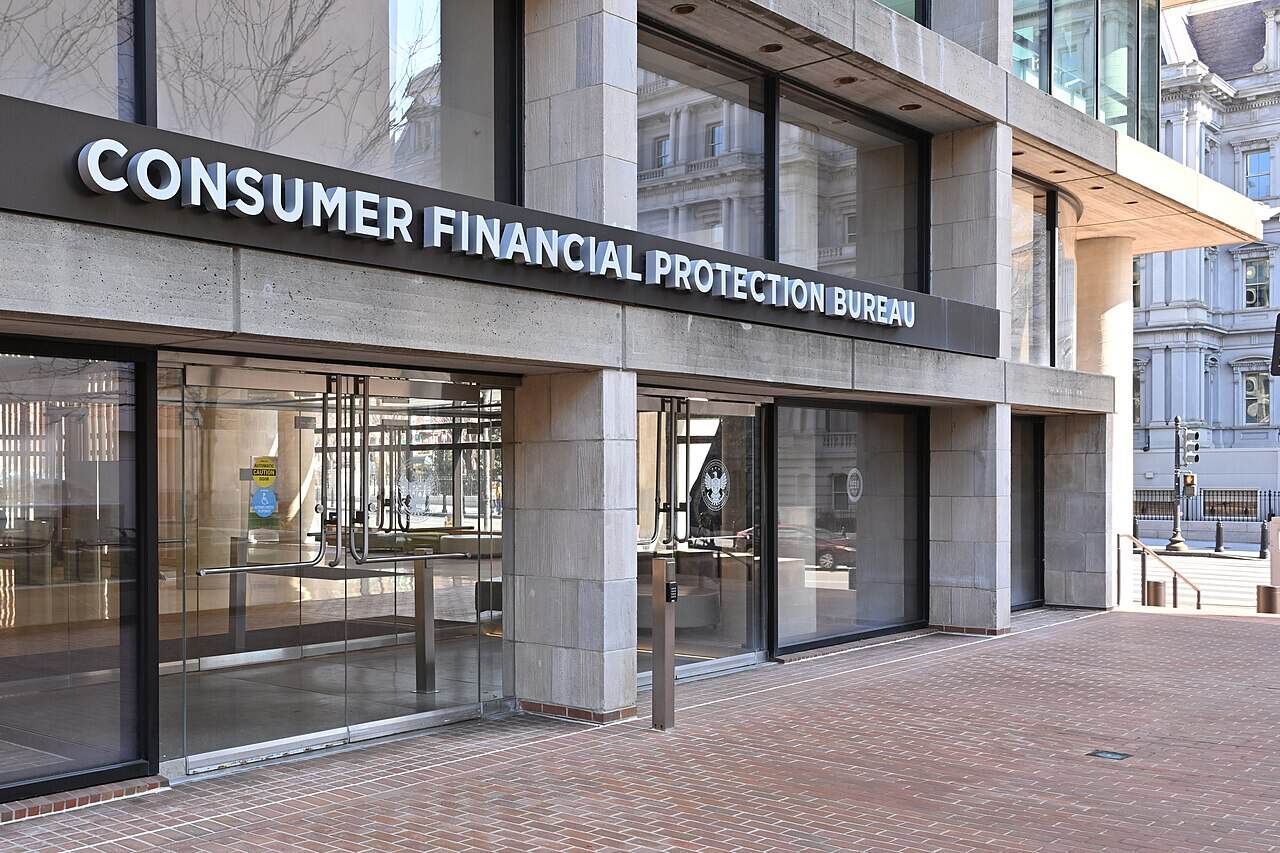
2. State Department of Financial Institutions (Banking Division)
Your state’s financial regulator licenses lending entities operating within the state. If an online lender is not licensed with your state’s banking commission, they have no legal right to collect debts from state residents. Filing a complaint with your State Banking Division frequently results in an official order declaring the loan null and void.
3. Federal Trade Commission & Military Consumer Protection
If you or your dependent is an active-duty servicemember, payday lenders are subject to the strict provisions of the Military Lending Act (MLA, 10 U.S.C. § 987), which establishes a strict 36% Military Annual Percentage Rate (MAPR) cap, bans mandatory arbitration, and prohibits mandatory allotments. Any loan violating the MLA is void from its inception. Report violations to your installation legal assistance office and the FTC.
Statutory Revocation of ACH Authorization & Cease and Desist Notice
Dispatch this formal notice via USPS Certified Mail and email to the compliance department of the payday lender. Retain delivery confirmations for your bank and regulatory filings.
Payday Loan Collection Myth vs. Federal Law Reality
Myth: “The debt collector told me that because my check bounced, they are filing criminal check fraud charges with the local prosecutor.”
Legal Reality: Criminal check fraud statutes require intent to defraud at the time of check issuance. Payday lenders hold post-dated checks or ACH agreements knowing the consumer lacked current funds. District attorneys nationwide refuse to prosecute payday loan defaults, and threatening criminal prosecution violates 15 U.S.C. § 1692e(5).
Myth: “A tribal online lender is exempt from all federal laws and state court judgments.”
Legal Reality: While federally recognized tribes possess sovereign immunity, individual commercial operators running online lending schemes off-reservation are NOT immune from federal consumer financial protection laws (CFPB, FTC, TILA, EFTA). Additionally, your bank operates under state and federal jurisdiction and must honor your ACH revocation regardless of who originated the transfer.
Asserting State Usury Defenses and Reclaiming Unlawful Fees
If an unlicensed or predatory lender attempts to file a civil collection lawsuit against you, never ignore the summons. In states with strict usury caps, filing an Answer asserting the affirmative defense of Usury and Illegality of Contract can result in the court dismissing the lawsuit with prejudice, wiping out the balance, and entering a judgment ordering the lender to refund all previously collected interest.
Consult our interactive State Reporting Guides & Consumer Rights Matrix to verify the precise interest rate caps, licensing requirements, and statutory recovery formulas applicable to your jurisdiction.
Before You Go: Citizen Protection Protocol
Protecting yourself against unlawful practices requires swift action, methodical documentation, and strict adherence to statutory deadlines. Preserve all original agreements, maintain contemporaneous call notes, and send formal correspondence via certified mail with return receipt requested.
Frequently Asked Questions
How do federal and state laws regulate payday loans and APR caps?
Under the Military Lending Act (MLA, 10 U.S.C. § 987), active-duty service members and their dependents cannot be charged more than a 36% Military Annual Percentage Rate (MAPR). For civilians, over 20 states and the District of Columbia cap short-term loan interest rates at 36% APR or ban payday lending entirely. Unlicensed online lenders operating outside state rate caps violate state lending laws and usury limits.
Can an online payday lender take money directly out of my bank account without permission?
Under Federal Reserve Regulation E (12 C.F.R. § 1005.10(c)), consumers have the legal right to revoke preauthorized electronic fund transfers (recurring ACH debits) at any time by notifying their bank at least three business days before the scheduled transfer. Once revoked, the bank is legally obligated to block any further debits from that lender.
Can a payday loan debt collector threaten to have me arrested or sent to jail?
No. Debtors’ prisons were abolished in the United States in 1833. Under the Fair Debt Collection Practices Act (FDCPA, 15 U.S.C. § 1692e), debt collectors are strictly prohibited from falsely representing that non-payment of a debt will result in the arrest or imprisonment of any person. Such threats are illegal and entitle consumers to $1,000 in statutory damages.
HowToReport.org is an independent educational site — not a government agency. We link to official .gov and .org sources, but we cannot file a complaint for you or give legal advice. Read our full Legal Disclaimer & Safe Harbor →
Damages Under ,000? Check Your State Small Claims Limit
If administrative complaints fail to recover your financial losses, you can sue in local small claims court without expensive attorney fees. Select your state below for instant dollar limits and statutory deadlines:
Related Statutory Reporting Guides & Citizen Protections
Official step-by-step reporting protocols in this regulatory category.

Evidence checklist
Gather these before you file — agencies handle cases faster when documentation is complete.
- Dates, times, and locations of each incident
- Names, phone numbers, email addresses, or business names involved
- Screenshots, emails, receipts, contracts, or photos that support your account
- Any reference, confirmation, or case numbers you already received
- A short written timeline of what happened and what outcome you want
What happens next
- Most agencies send an acknowledgment or reference number — save it with your copies.
- Investigations vary by agency; complex cases can take weeks or months.
- If you do not hear back within the timeframe listed on the agency site, follow up in writing.
- Keep reporting to additional agencies if your issue crosses categories (for example, fraud plus billing).
1 thought on “How to Report a Payday Loan Scam: Stop Predatory Lending”