To report active animal cruelty, physical abuse, severe neglect, or illegal puppy mills, contact your municipal animal control agency or county sheriff humane law enforcement division immediately. In active life-threatening emergencies (such as a dog locked in a hot car in summer), call 911 immediately. Document the exact address, take timestamped photos and video from public property, log dates and weather conditions, and submit a formal sworn citizen incident report to trigger on-site humane welfare checks and statutory impoundment.
Witnessing an animal subjected to physical violence, starvation, abandonment, or extreme weather exposure without shelter is distressing. Cruelty to animals is not merely an ethical outrage—it is a serious criminal offense in all 50 U.S. states and a federal felony under the Preventing Animal Cruelty and Torture (PACT) Act.
However, successful animal law enforcement requires actionable, admissible evidence. Animal control officers and humane police investigators must follow strict Fourth Amendment constitutional standards before entering private property. Knowing the exact legal evidentiary thresholds and jurisdictional hierarchy will ensure your report leads to prompt intervention and rescue.
Animal Cruelty Emergency Response & Reporting Protocol
Step 1: Identify the Legal Category of Abuse
State criminal codes classify animal welfare violations into distinct legal categories, each with specific statutory thresholds:
- Active Physical Cruelty (Felony/Misdemeanor): Deliberate torture, beating, mutilation, intentional poisoning, or animal fighting (dogfighting/cockfighting). These are immediate criminal acts requiring emergency 911 dispatch.
- Severe Neglect (Failure to Provide Necessities): Depriving an animal of wholesome food, potable water, veterinary medical care, or sanitary living conditions. This is the most common form of abuse handled by municipal animal control.
- Unlawful Tethering & Inadequate Shelter: Over 30 states enforce strict tethering statutes that prohibit chaining dogs outdoors during extreme weather (below 32°F or during heat advisories) or using heavy logging chains. Shelters must be moisture-proof, insulated, and structurally sound.
- Commercial Breeding & Puppy Mill Violations: Overcrowded, unsanitary breeding kennels operating without state or USDA Animal and Plant Health Inspection Service (APHIS) licenses.

Step 2: Collect Admissible Evidence Without Trespassing
Animal control officers cannot seize an animal or obtain a search warrant based on anonymous rumors or vague tips. You must provide specific, verifiable evidence while strictly respecting property boundaries:
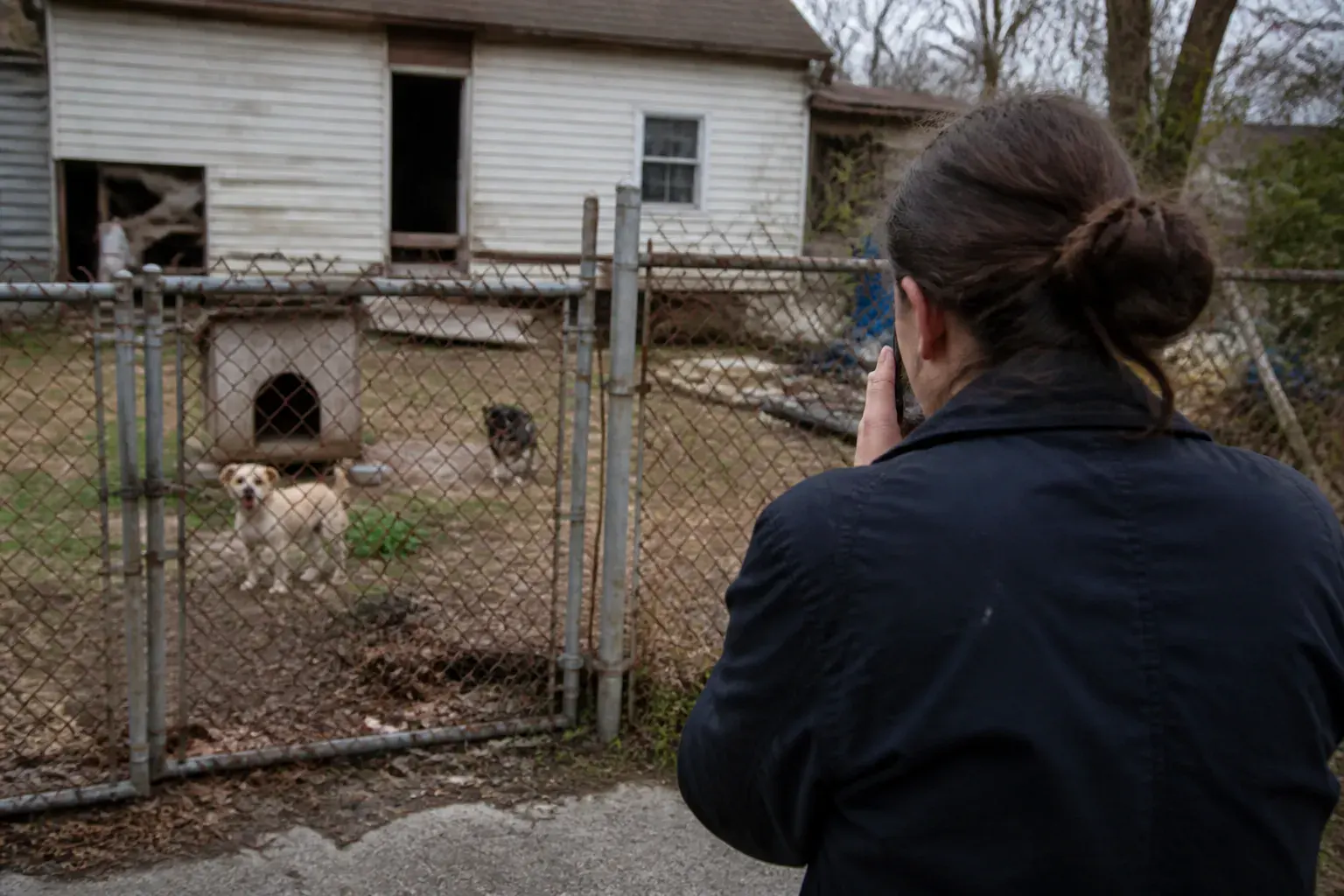
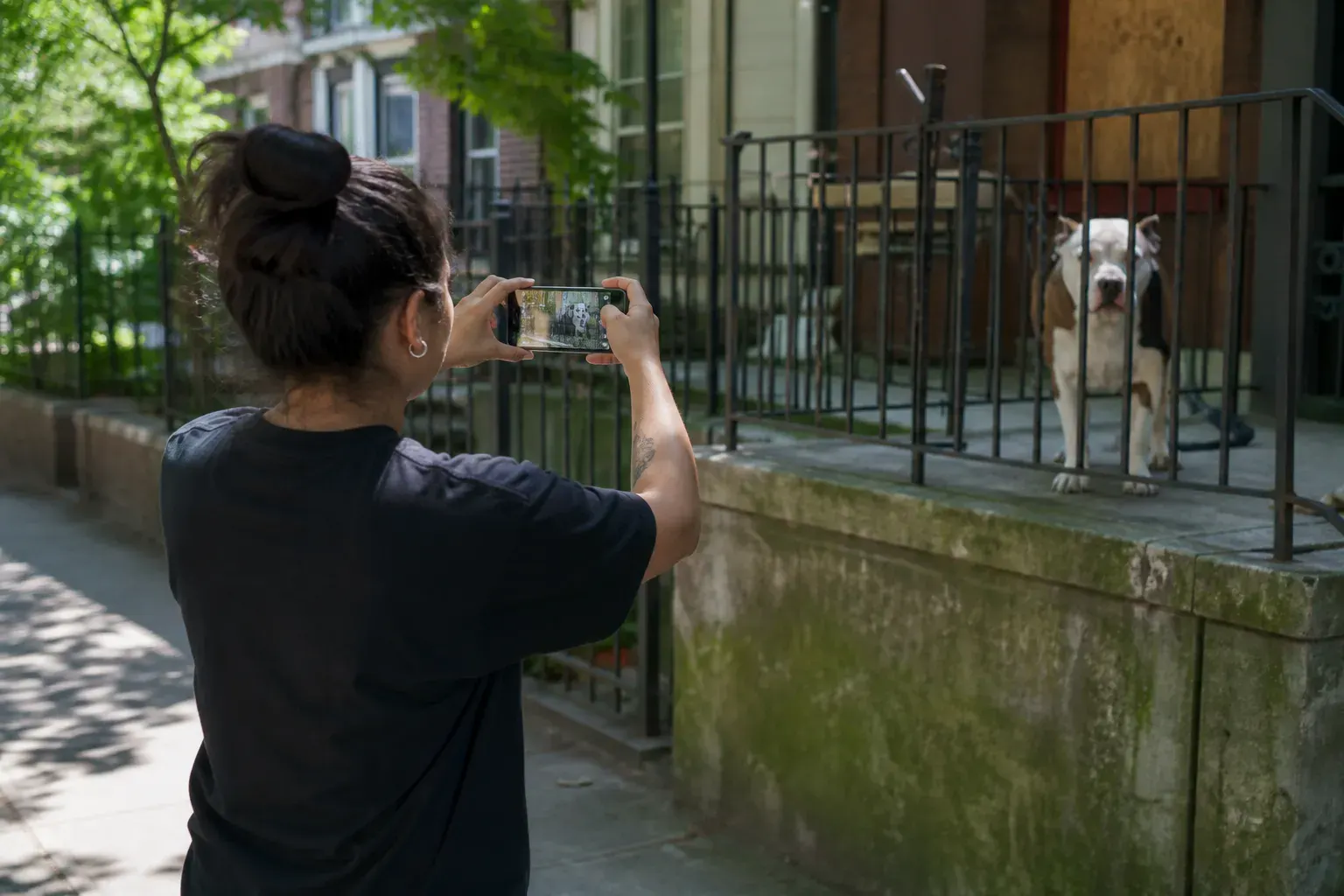
- Never Trespass: Stand on public property (the street or sidewalk) or your own property when photographing or filming. Evidence obtained through unlawful trespassing may be ruled inadmissible in criminal court.
- Establish a Time-Lapse Log: Animal neglect requires proving a sustained pattern. Maintain a written log: “Oct 12, 8:00 AM: Dog tethered in backyard without water bowl. Oct 12, 6:00 PM: Temperature 28°F, dog shivering, no straw in doghouse.”
- Record Weather Data: Screenshot local National Weather Service temperature and precipitation records corresponding to the dates of outdoor tethering.
Animal Welfare Regulatory Jurisdictions & Emergency Channels
| Agency / Entity | Regulatory Jurisdiction | Enforcement Powers | When to Contact |
|---|---|---|---|
| Local Police / 911 Dispatch | Active criminal violence & imminent life threats | Immediate emergency entry, arrest of abusers, emergency seizure | Active dog beating, animal locked in hot car in summer |
| Municipal Animal Control Services | City/county animal welfare, neglect, & tethering codes | Welfare checks, 24-hr veterinary notices, civil animal impoundment | Emaciation, chronic tethering without shelter, lack of water |
| County Sheriff Humane Officer / SPCA | Countywide animal cruelty criminal investigations | Criminal investigation, search warrants, filing felony charges | Ongoing institutional abuse, hoarding, organized fighting rings |
| USDA Animal Care (APHIS) | Federal Animal Welfare Act (AWA) licensed breeders | Suspension of commercial breeding licenses, federal civil penalties | Unlicensed commercial puppy mills, roadside zoos, dog dealers |
Step 3: Submit the Formal Sworn Citizen Incident Report
While an initial phone call alerts dispatch, filing a formal written report ensures the complaint is formally docketed and cannot be dismissed without investigation. Deliver this sworn report in person to the animal control shelter or transmit it via certified mail.
Sworn Citizen Incident Report & Animal Welfare Intervention Referral
Governing Legal Authority: State Penal Code Animal Cruelty & Animal Welfare Act
Instructions: Send via USPS Certified Mail with Return Receipt Requested. Retain the stamped green card and postal receipt to establish an unassailable evidentiary record for administrative complaints or civil claims.
SENT VIA HAND DELIVERY / CERTIFIED TRANSMISSION / USPS CERTIFIED MAIL
Incident Case Tracking: [Insert County Animal Control Incident / Dispatch #]
To:
[Municipal Animal Control Agency / County Sheriff Humane Law Enforcement Division]
[Humane Officer / Animal Control Officer In Charge]
[Agency Physical Address]
[City, State, ZIP Code]
Copy To:
[Local District Attorney Animal Cruelty Task Force / Humane Society SPCA Division]
RE: SWORN CITIZEN INCIDENT REPORT & AFFIDAVIT OF ACTIVE ANIMAL CRUELTY, NEGLECT & STATUTORY CODE VIOLATION
Location of Animal(s): [Exact Physical Address / GPS Coordinates / Property Description]
Suspect / Animal Custodian Name: [Name of Owner / Resident, if known]
Animal Description: [Species, Breed, Color, Estimated Age, Approximate Number of Animals]
To the Investigating Humane Law Enforcement Officer:
The undersigned citizen hereby submits this formal sworn incident report and evidentiary affidavit alleging severe, ongoing animal cruelty and neglect under [State Penal Code Animal Cruelty Statute / Local Municipal Animal Ordinance].
CHRONOLOGICAL OBSERVATIONS & FACTUAL EVIDENCE:
1. Deprivation of Sustenance & Potable Water: On [Dates of Observation], the animal(s) were observed without clean, drinkable water or adequate nourishment for extended periods exceeding [X] hours.
2. Extreme Weather Deprivation & Substandard Shelter: The animal(s) are tethered / confined outdoors without adequate statutory shelter protecting from [freezing temperatures / extreme heat exceeding 100°F / torrential rain] in violation of [State Tethering Statute].
3. Severe Medical Neglect & Visible Distress: The animal exhibits visible signs of untreated trauma, emaciation (prominent ribcage/spine), untreated open wounds, or severe matted fur restricting mobility.
ATTACHED PHYSICAL & DIGITAL EVIDENCE:
Attached to this sworn report are:
– Timestamped photographic evidence taken on [Dates];
– Video recordings with audio showing living conditions and animal distress;
– Witness statements from neighboring residents [Names];
– Log of previous calls placed to dispatch on [Prior Dates].
EMERGENCY INTERVENTION REQUEST:
Pursuant to [State Animal Protection Statute], demand is respectfully made that animal control officers dispatch an immediate on-site welfare check, issue a mandatory 24-hour veterinary medical care directive, or initiate statutory impoundment and emergency veterinary seizure to preserve animal life.
I am prepared to provide formal sworn testimony in administrative civil forfeiture or criminal proceedings.
Respectfully submitted,
____________________________________________
[Your Full Legal Name]
[Your Mailing Address]
[Your Telephone Number]
[Your Email Address]
⚖️ Facing Damages or Unreturned Funds Under $25,000?
Check your state small claims court dollar ceiling, statutes of limitations, and attorney representation rules.
Step 4: Special Protocols for Animals Locked in Hot Vehicles
On an 85°F day, the temperature inside a parked vehicle can reach 102°F within 10 minutes and 120°F within 30 minutes, causing fatal heatstroke and brain damage. If you discover a distressed animal locked in a hot car:
- Call 911 Immediately: Police and animal control prioritize vehicle heat distress calls as life-saving emergencies.
- Record Vehicle Information: Note the license plate number, vehicle make/model/color, and store location. Request that the store manager make an urgent public address announcement.
- Good Samaritan Laws: Over 30 states have enacted “Good Samaritan” hot car rescue laws (including California, Florida, Ohio, and New York) that protect citizens from civil liability for breaking a car window to rescue a dying animal, provided you call 911 first, verify the car is locked, use no more force than necessary, and remain on scene until police arrive.

Animal Cruelty Reporting Common Misconceptions
Frequently Asked Questions
Can I report animal cruelty anonymously?
Yes. Most animal control agencies accept anonymous reports. However, providing your contact information greatly strengthens the case, allowing officers to contact you for follow-up details or to verify that conditions remain unchanged if the owner denies access.
What happens after animal control visits the property?
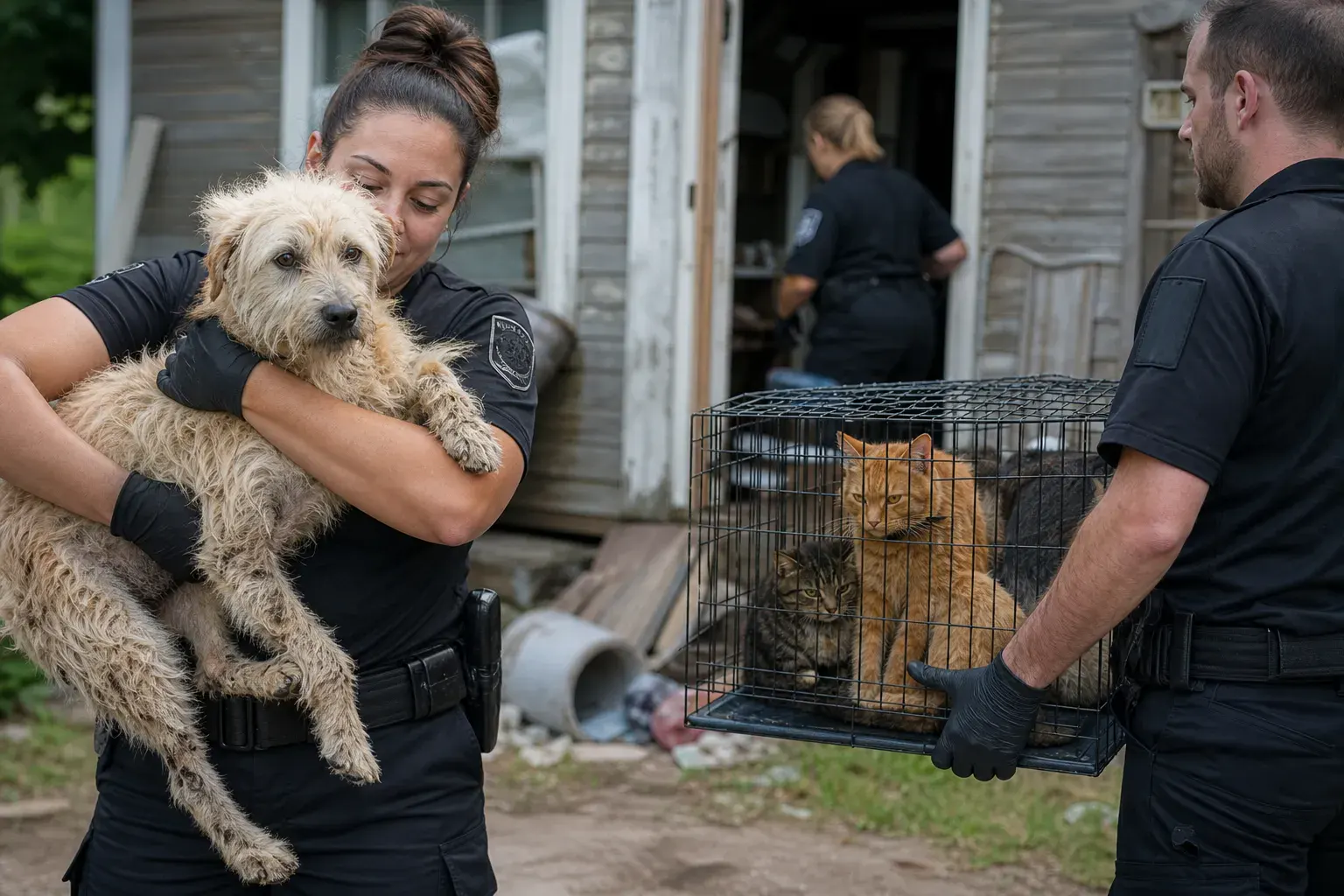
If the officer finds substandard care but not imminent death, they typically issue a Notice to Comply giving the owner 24 to 72 hours to provide veterinary care, shelter, or food. The officer conducts a mandatory re-inspection; if non-compliant, the officer obtains a search warrant and seizes the animal.
How do I report an illegal puppy mill?
If you suspect a commercial breeding operation is keeping dozens of dogs in stacked wire cages without veterinary care, report the facility to both your Local Animal Control and the USDA Animal and Plant Health Inspection Service (APHIS) at aphis.usda.gov. Commercial breeders selling pets over the internet or to pet stores must be licensed under the federal Animal Welfare Act.
Official Regulatory Authorities & Governing Statutes
- USDA Animal & Plant Health Inspection Service (APHIS) Animal Welfare
- Humane Society of the United States (HSUS) Cruelty Investigations
- Preventing Animal Cruelty and Torture (PACT) Act (18 U.S.C. § 48)
- State Penal Code Animal Cruelty & Tethering Statutes
Before You Go: Citizen Protection Protocol
Protecting yourself against unlawful practices requires swift action, methodical documentation, and strict adherence to statutory deadlines. Preserve all original agreements, maintain contemporaneous call notes, and send formal correspondence via certified mail with return receipt requested.
HowToReport.org is an independent educational site — not a government agency. We link to official .gov and .org sources, but we cannot file a complaint for you or give legal advice. Read our full Legal Disclaimer & Safe Harbor →
Damages Under ,000? Check Your State Small Claims Limit
If administrative complaints fail to recover your financial losses, you can sue in local small claims court without expensive attorney fees. Select your state below for instant dollar limits and statutory deadlines:
Related Statutory Reporting Guides & Citizen Protections
Official step-by-step reporting protocols in this regulatory category.

Official sources
Use these official channels for your complaint — verify details on the agency site before you submit.
- Local Animal Control + ASPCA — 311 (911 and 311 available 24/7)
- Official reporting portal
What happens next
- Most agencies send an acknowledgment or reference number — save it with your copies.
- Investigations vary by agency; complex cases can take weeks or months.
- If you do not hear back within the timeframe listed on the agency site, follow up in writing.
- Keep reporting to additional agencies if your issue crosses categories (for example, fraud plus billing).