
⚡ Quick Answer: How to Report a Car Accident
- Immediate Action / Statutory Deadline: Call 911 immediately if injuries, fatalities, or disabled vehicles block traffic; file state DMV SR-1 report within 10 days if property damage exceeds $1,000.
- Primary Regulatory Agency: Municipal Police or State Highway Patrol for accident reports; State Department of Motor Vehicles (DMV) and State Insurance Commissioner.
- Statutory / Legal Remedy: Compulsory third-party liability coverage, personal injury protection (PIP) recovery, bad-faith insurer penalties, and Small Claims Court restitution up to jurisdictional limits.
How Do I Report a Car Accident?
Report a car accident immediately to local law enforcement if the collision involves injuries or significant property damage. Contact your auto insurance provider promptly to initiate a claims process. Police reports establish an official record of the incident, which insurance adjusters use to determine fault and process financial compensation.
- Gather Evidence: Take photographs of the vehicle damage, intersection layout, and exchange insurance information and contact details with the other driver.
- File Your Report: Call emergency services from the scene for major accidents, or file a report at the local police station for minor collisions.
- Follow Up: Provide the police report number to your insurance claims adjuster and retain all medical bills related to your crash injuries.
A motor vehicle collision triggers a cascade of immediate legal, regulatory, and insurance responsibilities. Knowing how to report a car accident methodically ensures you fulfill statutory reporting requirements, preserve forensic evidence, and shield yourself against unlawful liability or bad-faith insurance claims. In the chaotic aftermath of a crash, drivers frequently make costly mistakes—such as admitting fault, failing to document the scene, or neglecting to file mandatory state Department of Motor Vehicles (DMV) accident reports.
Every state imposes strict legal obligations regarding when, where, and how a traffic crash must be reported. Failure to file required regulatory forms within statutory deadlines can result in driver license suspension, civil penalties, and compromised insurance compensation. This guide provides the complete legal roadmap: emergency scene protocols, statutory DMV filing deadlines, forensic documentation methods, insurer bad-faith protections, and a formal pre-suit insurance demand letter.
Emergency Scene Protocols: Securing Safety and Calling Law Enforcement
Your actions during the first thirty minutes following a collision dictate both your physical safety and legal standing. State traffic codes require drivers involved in an accident resulting in injury, death, or vehicle damage to stop immediately and render reasonable assistance.
Immediate Collision Scene Steps
- Check for Injuries and Secure the Scene: Check yourself and passengers for trauma. If vehicles are operable and the crash occurred on an active highway, move to the shoulder or a safe location to prevent secondary collisions. Turn on hazard warning lights and place emergency reflectors or flares if available.
- Contact Emergency Services (Call 911): Request police and emergency medical technicians (EMTs) immediately if any party is injured, complains of pain, or appears disoriented. Dispatch is also required if a driver exhibits signs of intoxication, lacks a valid driver license, refuses to exchange credentials, or if public property is damaged.
- Request an Official Police Collision Report: When officers arrive, answer factual questions concisely. State what occurred based on direct observation without speculating on speed or fault. Obtain the investigating officer’s name, badge number, police department, and the Incident / Traffic Collision Report Number.
- Avoid Fault Admissions: Never apologize or state “I didn’t see you” or “It was my fault.” Statements made at the accident scene are documented by responding officers and can be introduced as party admissions in civil litigation.
Mandatory Information Exchange: Collecting Forensic Details
State vehicle codes mandate that all involved motorists exchange specific identification and financial responsibility details. Do not rely on handwritten notes; use your smartphone to capture high-resolution photographs of all documents.
Mandatory Exchange Checklist
- Driver Identification: Full legal name, residential address, telephone number, and state driver license number with expiration date.
- Vehicle Details: Vehicle Identification Number (VIN), license plate number, state of registration, year, make, and model.
- Auto Insurance Verification: Insurance company name, policy number, named policyholder, and customer service claims telephone number.
- Vehicle Ownership: If the driver is not the registered owner, record the owner’s legal name, contact address, and relationship to the driver.
- Independent Witness Statements: Names, phone numbers, and brief audio or written statements from non-party witnesses, including pedestrians, shopkeepers, or other motorists who observed the collision before police arrival.
Car Accident Reporting and Legal Escalation Roadmap
Stage 1: Scene & 911
Assess trauma, contact 911, obtain police incident report number, exchange credentials, and capture photographic scene evidence.
Stage 2: Statutory DMV Filing
Submit mandatory state DMV crash report (such as Form SR-1) within 10 days if damages exceed statutory thresholds.
Stage 3: Insurance Notice
Notify carriers within 24–72 hours, provide factual documentation, and reject recorded statements without attorney counsel.
Stage 4: Civil Justice
Issue formal pre-suit demand letter or file in Small Claims Court if insurance adjusters unreasonably deny or delay valid claims.
Documenting Forensic Scene Evidence
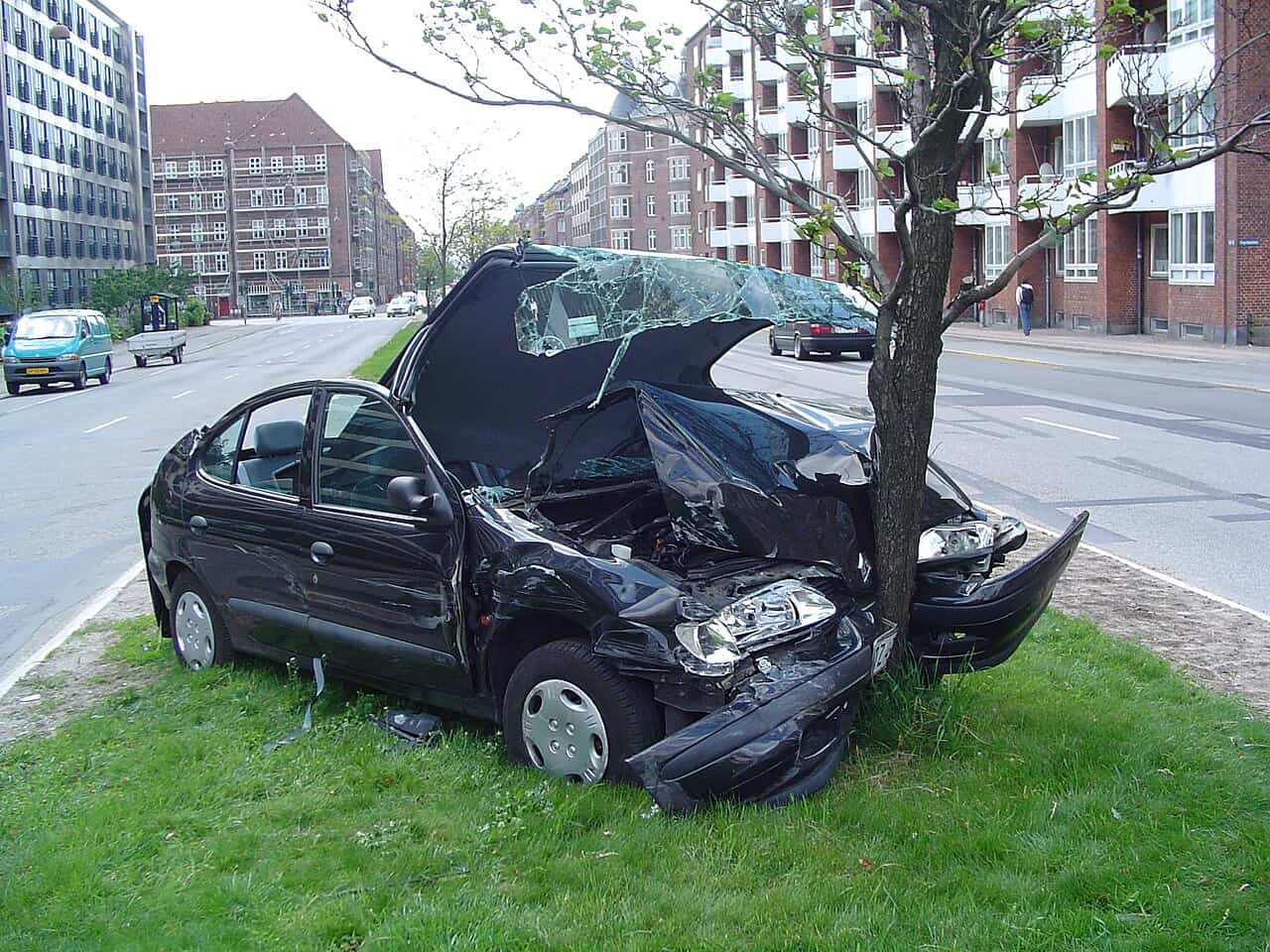
Before leaving the collision scene, collect physical and environmental evidence that establishes speed, point of impact, and fault. Physical evidence deteriorates rapidly once tow trucks arrive or weather conditions change.
Critical Evidence to Photograph and Record
- All Vehicle Impact Angles: Photograph wide-angle establishing shots of the entire scene, showing the positioning of both vehicles relative to traffic lanes, intersections, and traffic control devices. Then capture close-ups of impact points, dents, shattered glass, and paint transfer.
- Road and Environmental Conditions: Document skid marks, gouges in asphalt, fluid trails, debris fields, road surface conditions (wet, icy, gravel), obstruction of view by foliage or construction, and traffic signals or stop signs.
- Dashcam Footage Preservation: Immediately power down dashcams to avoid automatic looping overwrites. Remove the SD card, copy footage to multiple secure storage drives, and record timestamp data.
- Nearby Surveillance Cameras: Look for municipal traffic cameras, surveillance systems on neighboring retail stores, gas stations, banks, or doorbell cameras on residences. Note business addresses and request footage preservation immediately before security systems overwrite recordings.
Statutory DMV Reporting: The Mandatory 10-Day Window
A widespread misconception is that an investigating police officer’s report satisfies your personal obligation to notify state licensing authorities. In reality, state laws impose an independent, statutory obligation on drivers to file an official accident report directly with the Department of Motor Vehicles (DMV).
For example, in California under California Vehicle Code § 16000, every driver involved in a collision must submit a Traffic Accident Report (Form SR-1) to the California DMV within 10 calendar days if:
- Any person suffered bodily injury, no matter how slight.
- Any person was killed.
- Property damage to any vehicle or property exceeded $1,000.
Similar mandatory filing laws exist across states (such as New York Form MV-104 within 10 days for property damage over $1,000, or Texas Form CR-2). Failure to submit this mandatory report within the statutory window is a misdemeanor offense and triggers mandatory driver license suspension, regardless of whether you were at fault.
Accident Reporting Jurisdiction Matrix
| Entity / Agency | Statutory Filing Deadline | Primary Purpose |
|---|---|---|
| Local Police / State Highway Patrol | Immediately at scene (911) | Emergency response, public safety, and official police collision report. |
| State DMV (e.g. Form SR-1 / MV-104) | Within 10 calendar days | Mandatory statutory driver record compliance and financial responsibility verification. |
| Your Auto Insurance Carrier | Promptly (typically 24–72 hours) | Policy contract compliance, collision/comprehensive coverage, and claim processing. |
| State Insurance Commissioner | Upon bad-faith claim denial | Regulatory enforcement against insurance carrier unfair claims settlement practices. |
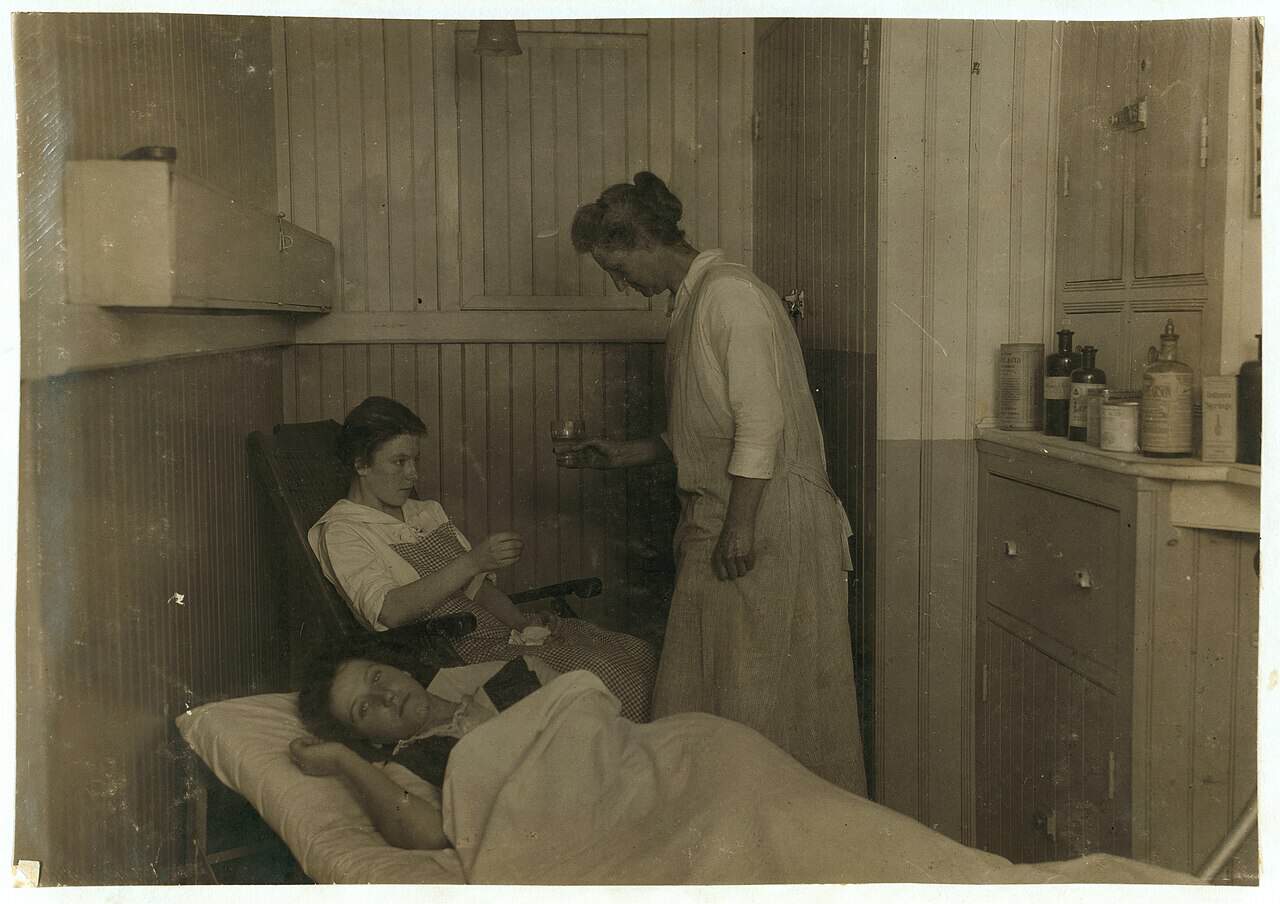
Medical Evaluation and Injury Documentation
Adrenaline surges during an accident frequently mask serious physical injuries, including cervical strain, lumbar herniations, concussions, and internal soft-tissue hemorrhaging. Seeking medical evaluation on the day of the collision is essential for personal health and legal causation.
Insurance claims adjusters rigorously scrutinize medical treatment timelines. A delay of even three to five days between the crash and your first medical consultation creates a “gap in care.” Insurers exploit this gap to argue that injuries were pre-existing or caused by an unrelated intervening event. Visit an emergency department, urgent care clinic, or your primary physician immediately. Explain that you were in a motor vehicle collision, describe all symptoms from head to toe, and retain all discharge papers, diagnostic imaging reports, and prescription receipts.
Navigating Auto Insurance Claims and Bad-Faith Practices
Every auto policy requires the insured to provide prompt notice of an accident. Contact your insurer’s claims department to report the incident. Provide factual details: date, time, location, involved vehicles, and police report number.
When dealing with the other driver’s insurance adjuster, exercise extreme caution:
- Never Agree to a Recorded Statement: You are under no legal obligation to provide a recorded interview to the adverse driver’s insurance company. Adjusters use cross-examination techniques to elicit statements minimizing injury severity or suggesting comparative negligence. Decline politely and offer to submit written factual answers.
- Do Not Sign Blanket Medical Authorizations: Adverse insurers will request signed HIPAA medical releases. These forms often grant unlimited access to your lifetime medical history, allowing adjusters to comb through decades of records to find pre-existing conditions.
- Reject Premature Quick-Settlement Offers: Adjusters frequently offer nominal cash payouts ($500 to $1,500) within days of a crash in exchange for a signed general liability release. Once signed, you permanently forfeit the right to recover for latent medical expenses or lost wages.
Myth vs. Legal Reality: Accident Reporting
Myth: “If the police officer files a report, I don’t need to report the accident to the DMV.”
Legal Reality: False. The police collision report is a law enforcement record, not a DMV filing. State statutes explicitly require motorists to submit their own accident report form (such as California Form SR-1 or New York MV-104) directly to the licensing department within 10 days.
Myth: “If damage looks minor, we can agree to settle in cash without notifying police or insurers.”
Legal Reality: Highly dangerous. Modern vehicle bumpers conceal sensors, radar units, and structural crumple zones that can cost thousands of dollars to repair. If the other driver subsequently claims bodily injury or changes their story, you will have zero official evidence to defend yourself.
Recovering Damages and Small Claims Court Action
If the at-fault driver’s insurance company unreasonably denies liability or issues a lowball payout that fails to cover repair estimates and medical costs, you have clear legal avenues for civil redress. For unresolved claims under your state’s statutory limit, Small Claims Court provides a rapid, cost-effective forum without expensive attorney fees.
Review our comprehensive guide to state monetary thresholds: 50-State Small Claims Limits & Statute of Limitations Directory to verify the maximum amount you can recover in your local jurisdiction.
Formal Pre-Suit Insurance Dispute Notice Template
Before filing a civil action or lodging a regulatory complaint with your State Insurance Commissioner, send a formal demand letter via USPS Certified Mail with Return Receipt Requested. This formal correspondence establishes a clear evidentiary record of liability, itemized damages, and bad-faith notice.
Before You Go: Citizen Protection Protocol
Protecting your rights following an unlawful commercial dispute or accident requires immediate action, thorough documentation, and strict adherence to statutory deadlines. Preserve all original contracts, maintain contemporaneous call notes, and send formal legal demands via certified mail with return receipt requested.
HowToReport.org is an independent educational site — not a government agency. We link to official .gov and .org sources, but we cannot file a complaint for you or give legal advice. Read our full Legal Disclaimer & Safe Harbor →
Related Statutory Reporting Guides & Citizen Protections
Official step-by-step reporting protocols in this regulatory category.



Official sources
Use these official channels for your complaint — verify details on the agency site before you submit.
- Local Police + Your Insurance + State DMV — 911 (Emergency: 24/7 | Insurance: varies | DMV: business hours)
- Official reporting portal
What happens next
- Most agencies send an acknowledgment or reference number — save it with your copies.
- Investigations vary by agency; complex cases can take weeks or months.
- If you do not hear back within the timeframe listed on the agency site, follow up in writing.
- Keep reporting to additional agencies if your issue crosses categories (for example, fraud plus billing).
1 thought on “How to Report a Car Accident: Police, DMV SR-1 & Insurance Guide”