
⚡ Quick Answer: How to Report a Homeless Person Responsibly
- Immediate Action / Statutory Deadline: Call 911 immediately if active violence, medical collapse, or life-threatening exposure occurs; call or text 988 for psychiatric crises.
- Primary Regulatory Agency: Municipal Health and Human Services, Continuum of Care (CoC) agencies, and community 211 Information and Referral networks.
- Statutory / Legal Remedy: Coordinated Entry housing navigation, Emergency Medical Treatment and Labor Act (EMTALA) triage, and municipal homeless street outreach services.
How Do I Report Report a Homeless Person Responsibly?
To responsibly report a homeless person needing assistance, contact local homeless outreach teams or social service agencies. Connecting individuals with professional help provides them access to shelter, food, and medical care. Avoid calling law enforcement unless there is an immediate threat to public safety.
- Gather Evidence: Note the individual’s location, basic description, and any visible immediate needs.
- File Your Report: Call your city’s non-emergency 311 line or direct homeless outreach organizations.
- Follow Up: Allow trained professionals to approach the individual and offer appropriate community resources.
Observing an unhoused individual in distress, enduring extreme weather, or experiencing a behavioral health episode raises urgent humanitarian and community safety questions. Knowing how to report a homeless person responsibly ensures you direct trained social service professionals, street outreach workers, and healthcare teams to help vulnerable individuals rather than criminalizing poverty. Calling law enforcement indiscriminately can escalate non-violent situations, generate unnecessary criminal records, and divert emergency police resources away from active violent crimes.
Modern municipal safety protocols prioritize civilian outreach and mobile crisis intervention. Under federal guidelines established by the U.S. Department of Housing and Urban Development (HUD) and the Substance Abuse and Mental Health Services Administration (SAMHSA), communities operate Coordinated Entry Systems (CES) accessible via the 211 network, alongside the nationwide 988 Suicide & Crisis Lifeline. This comprehensive guide details the non-emergency triage framework, emergency vs. non-emergency decision criteria, street outreach dispatch methods, and a formal citizen service inquiry template.

The Three-Tier Emergency Triage Protocol: 911 vs. 988 vs. 211
When you encounter an unhoused neighbor who appears to need assistance, accurately assessing the situation determines which dispatch number to dial:
Community Triage Decision Matrix: 911 vs. 988 vs. 211
| Helpline / Number | Appropriate Situation | Responding Personnel |
|---|---|---|
| Call 911 (Emergency) | Unresponsiveness, active physical violence, visible weapons, severe bleeding, or life-threatening hypothermia/heatstroke. | Emergency Medical Technicians (EMTs), Paramedics, and Police Officers. |
| Call / Text 988 (Crisis) | Severe psychiatric distress, verbal suicidal ideation, disorientation, or non-violent hallucination episodes. | Licensed Mental Health Clinicians and Mobile Crisis Intervention Teams. |
| Call 211 / 311 (Non-Emergency) | Requesting street outreach, shelter bed coordination, hygiene kits, food assistance, or transitional housing support. | Civilian Street Outreach Workers, Social Workers, and Coordinated Entry Navigators. |
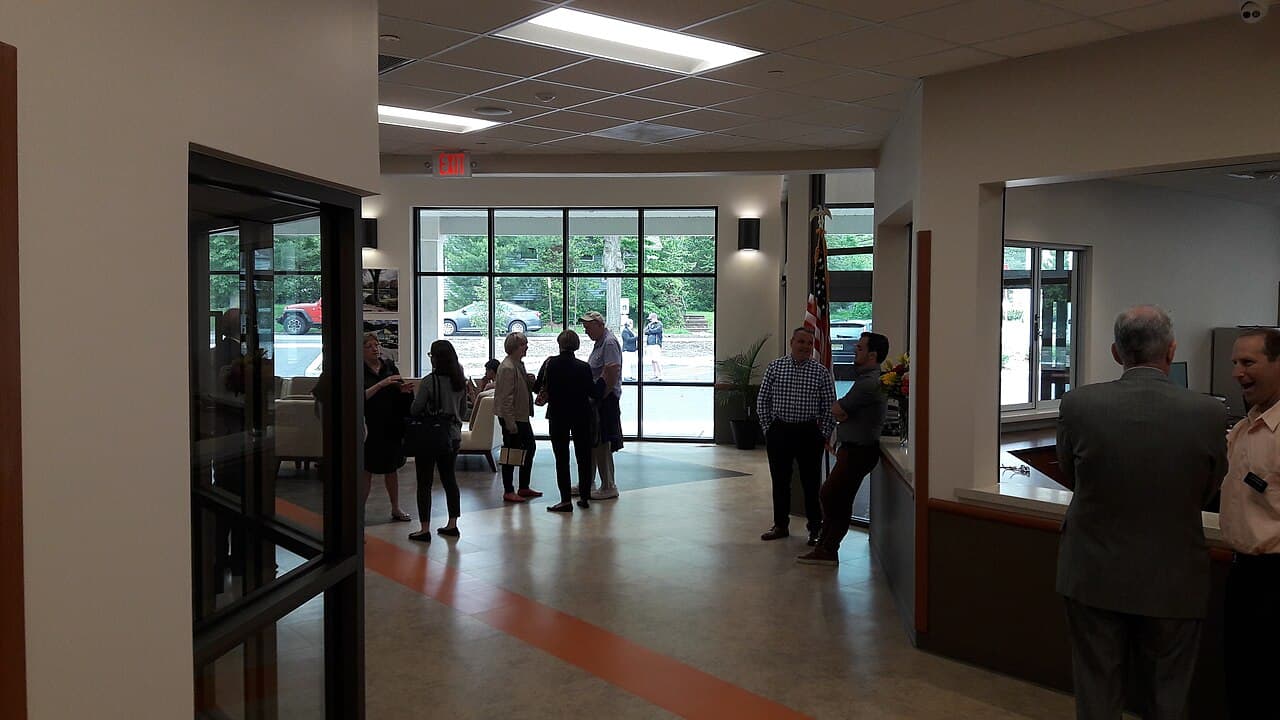
Step 1: Utilizing 211 for Professional Street Outreach
In over 95% of American communities, dialing 211 connects callers to an accredited Information and Referral (I&R) specialist operating 24 hours a day, 7 days a week. It is the primary gateway to local homeless service continuums:
- Request Street Outreach Dispatch: Explain to the 211 operator that you are observing an unhoused individual who could benefit from outreach engagement. Request that a civilian Homeless Outreach Team be dispatched to conduct a wellness check.
- Provide Objective Descriptive Details: Provide precise physical location details (e.g., “sitting on the west corner of 4th and Elm Street outside the public library”). Describe clothing, general age range, and observable needs (e.g., lacking winter coat, wheelchair accessible, dehydration) without making speculative medical or psychiatric diagnoses.
- Inquire About Severe Weather Shelters: During periods of freezing temperatures or extreme summer heat advisories, municipalities activate emergency “Code Blue” or “Code Red” warming/cooling centers. 211 operators can dispatch dedicated emergency transport vehicles to bring individuals to shelter facilities.

Step 2: Deploying 988 for Mental Health Crisis Intervention
When an unhoused individual displays symptoms of severe mental health distress—such as pacing agitatedly, shouting at unseen stimuli, or experiencing extreme paranoia—calling armed police officers can escalate tension. In 2022, the federal government launched the 988 Suicide & Crisis Lifeline:
- Trained De-escalation Counselors: Dialing or texting 988 connects you directly to trained behavioral health specialists who evaluate the situation and provide de-escalation guidance.
- Dispatching Mobile Crisis Teams (MCTs): In an increasing number of cities, 988 coordinators can dispatch unarmed Mobile Crisis Teams composed of peer specialists, social workers, and registered nurses equipped to provide trauma-informed psychiatric evaluation and stabilization.
- Voluntary Engagement: Unhoused individuals maintain constitutional rights to bodily autonomy and freedom of movement under the Fourth and Fourteenth Amendments. Unless an individual presents an imminent danger to themselves or others under state civil commitment criteria, assistance must remain voluntary.
Homeless Service Navigation and Outreach Roadmap
Stage 1: Observation
Assess physical safety from a distance, check for acute medical trauma, and evaluate weather hazards.
Stage 2: Channel Selection
Choose 211 for street outreach, 988 for mental health crises, or 911 exclusively for life-threatening emergencies.
Stage 3: Outreach Dispatch
Provide objective location descriptions and log the dispatch ticket number for community service follow-up.
Stage 4: Long-Term Housing
Support municipal Continuum of Care (CoC) investments and permanent supportive housing programs.
Responsible Street Outreach Engagement Guidelines
Maintain Safe Distance
Observe from a respectful distance without crowding, photographing faces, or demanding personal explanations.
Provide Objective Details
Report landmarks, cross streets, clothing, and observable needs rather than making speculative clinical assumptions.
Respect Voluntary Autonomy
Recognize that adults retain civil liberties; outreach teams build trust over multiple voluntary visits.
When Calling 911 Is Necessary
While civilian outreach is preferred for general homelessness, true medical emergencies and active violence require immediate 911 dispatch. Call 911 without hesitation if you observe:
- An individual who is completely unresponsive, unconscious, or cannot be awakened.
- Signs of opioid or drug overdose (shallow breathing, blue lips/fingertips, gurgling sounds)—request EMTs with Naloxone (Narcan).
- Severe medical distress, uncontrollable hemorrhaging, chest pain, or seizures.
- Physical assaults, armed threats, or violence directed at others or active self-harm.
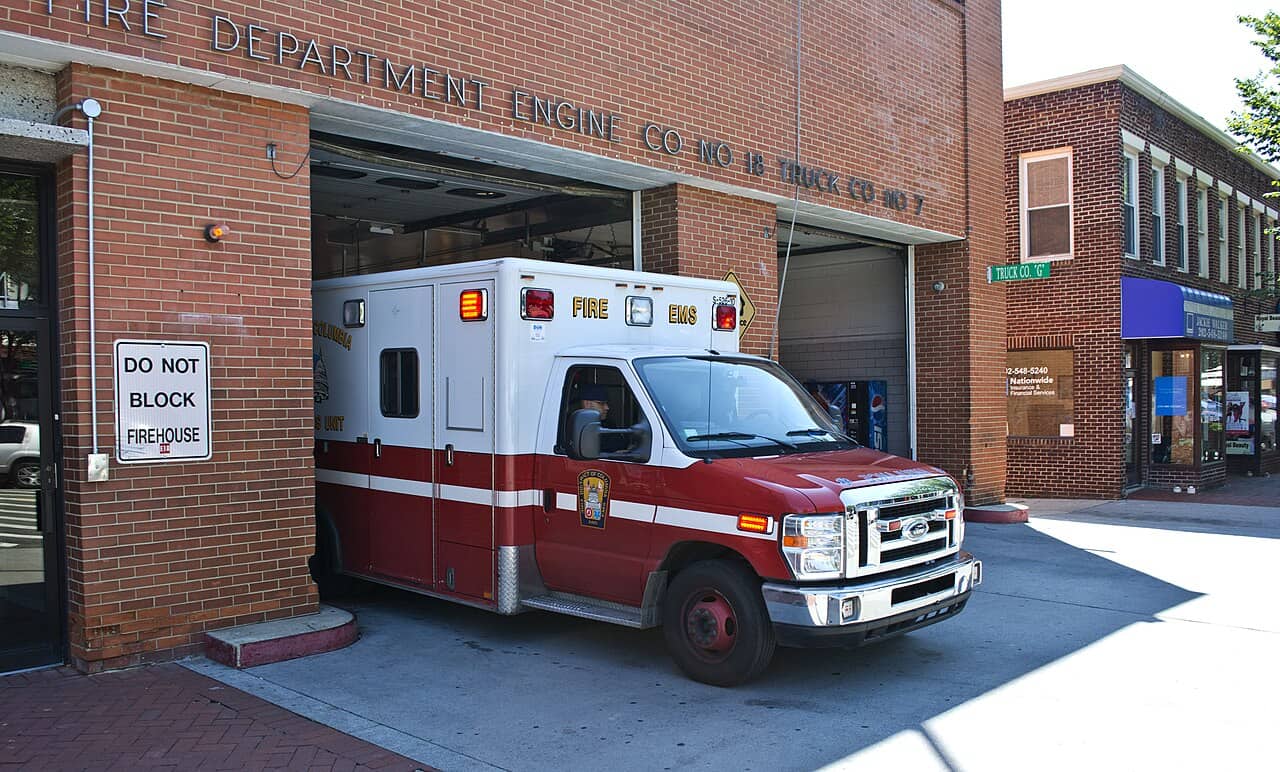
When speaking with 911 dispatchers, state clearly: “I am requesting Emergency Medical Services (EMS) and an ambulance for a medical emergency.” Stating that you require medical personnel ensures dispatchers send paramedics rather than solely armed patrol units.
For municipal administrative claims or civil redress regarding public health and safety violations, review our legal reference: 50-State Small Claims Limits & Municipal Complaint Directory to verify jurisdictional procedures.
Understanding Legal Protections and Civil Rights
Being homeless is not a crime under federal constitutional law. In landmark rulings such as Martin v. City of Boise (9th Cir. 2018) and subsequent jurisprudence, federal courts have held that enforcing anti-camping or vagrancy ordinances against individuals when no adequate shelter beds are available violates the Eighth Amendment’s prohibition against cruel and unusual punishment.
In addition, under federal healthcare statutes including the Emergency Medical Treatment and Labor Act (EMTALA, 42 U.S.C. § 1395dd), hospital emergency departments are legally required to provide medical screening and stabilizing treatment to all patients regardless of insurance status, housing status, or ability to pay.
Myth vs. Legal Reality: Homeless Reporting
Myth: “Calling the police will get an unhoused person placed into a shelter and off the street.”
Legal Reality: False. Police officers are law enforcement personnel, not housing navigators. Calling 911 for a non-violent unhoused person typically results in a move-along order or a misdemeanor citation. To connect someone with actual shelter and supportive housing, you must contact 211 or your local Continuum of Care agency.
Myth: “Outreach workers can force an unhoused person to enter a shelter.”
Legal Reality: False. Adults have constitutional liberty protections. Outreach teams build trust over time, offering voluntary resources. Involuntary intervention is legally restricted to acute psychiatric emergencies meeting statutory criteria for temporary medical holds.
Formal Citizen Outreach Request Template
If you observe chronic homelessness in your neighborhood and want to request municipal outreach teams, submit this formal service inquiry to your city council representative, municipal department of social services, or Continuum of Care director.
Before You Go: Citizen Protection Protocol
Protecting your rights following an unlawful commercial dispute or administrative failure requires swift action, methodical documentation, and strict adherence to statutory deadlines. Preserve all original contracts, maintain contemporaneous call notes, and send formal legal demands via certified mail with return receipt requested.
HowToReport.org is an independent educational site — not a government agency. We link to official .gov and .org sources, but we cannot file a complaint for you or give legal advice. Read our full Legal Disclaimer & Safe Harbor →
Damages Under ,000? Check Your State Small Claims Limit
If administrative complaints fail to recover your financial losses, you can sue in local small claims court without expensive attorney fees. Select your state below for instant dollar limits and statutory deadlines:
Related Statutory Reporting Guides & Citizen Protections
Official step-by-step reporting protocols in this regulatory category.


Official sources
Use these official channels for your complaint — verify details on the agency site before you submit.
- Local Homeless Outreach — dial 311 — 311 (311 typically Mon–Fri 8am–5pm)
- Official reporting portal
What happens next
- Most agencies send an acknowledgment or reference number — save it with your copies.
- Investigations vary by agency; complex cases can take weeks or months.
- If you do not hear back within the timeframe listed on the agency site, follow up in writing.
- Keep reporting to additional agencies if your issue crosses categories (for example, fraud plus billing).