
⚡ Quick Answer: How to Report Predatory Towing
- Immediate Action / Statutory Deadline: Photograph entrance signage, curb markings, and parking permits; pay release fees under written protest by writing “Paid Under Formal Protest” on all receipts, and request a statutory towing hearing within 10 to 14 days.
- Primary Regulatory Agency: Municipal Police Department (Towing Administration / Commercial Vehicle Unit) and State Department of Transportation or Licensing Regulation (e.g., Texas TDLR, California Highway Patrol).
- Statutory / Legal Remedy: Full refund of towing and storage fees, statutory treble damages (or 2x-4x unlawful towing fees under state towing statutes), licensing citations, and small claims court recovery.
How Do I Report Predatory Towing?
Reporting predatory towing involves contacting your local consumer affairs department or state public utilities commission. Filing a grievance initiates an investigation into illegal fees, improper signage, or unauthorized vehicle removal. Authorities can penalize rogue towing operators and occasionally assist victims in recovering their impounded vehicles.
- Gather Evidence: Take photos of parking signs, keep the towing receipt, and document the exact location.
- File Your Report: Submit a complaint to your local police non-emergency line or state consumer protection agency.
- Follow Up: Dispute the credit card charge if applicable and consider small claims court for reimbursement.
Few consumer experiences induce immediate panic quite like walking out to a parking space and discovering your vehicle has vanished. While legitimate towing companies operate to keep fire lanes clear and handicapped access open, predatory towing syndicates generate millions of dollars annually through unlawful non-consent tows, hidden administrative surcharges, and deliberate gatekeeping.
Every state and municipality enforces strict statutory guardrails regulating non-consent private property towing. Knowing your statutory rights—including the mandatory “drop fee” rule, signage visibility requirements, and payment under protest protocols—is essential to reclaiming your money and holding predatory operators accountable.
Predatory Towing Rapid Escalation Protocol
Step 1: Document the Scene Before Leaving
The moment you suspect your vehicle has been towed rather than stolen, call the local non-emergency police dispatcher. By law in almost every state, towing companies must notify local dispatch within 30 to 60 minutes of impounding a vehicle to report the VIN and license plate. If the police have no record, report the vehicle stolen immediately.
If dispatch confirms an impound, your first legal priority is physical evidence collection at the private lot before towing company scouts or property managers alter conditions:
- Entrance Signage: Photograph every vehicular entrance to the property. State codes mandate exact sign dimensions (typically 12×18 or 24×24 inches), reflective lettering, exact fee disclosures, and the towing company 24-hour phone number. If signs are missing, obscured by foliage, or unlit, the tow is statutorily unlawful.
- Your Parking Stall: Photograph the exact spot where your vehicle was parked. Document painted stall lines, curb colors, and absence of reserved marking or fire lane striping.
- Payment Proof: If you parked in a paid lot, screenshot your digital parking app confirmation, meter ticket, or validation stamp showing the exact session timestamp.
Step 2: Know and Exercise the Mandatory “Drop Fee” Rule
If you return to your vehicle while the tow truck operator is actively hooking your car, you have an immediate legal right to have your vehicle unhooked on the spot. In the majority of states (including California, Texas, Florida, and New York), state statute prohibits towing operators from removing a vehicle if the owner arrives before the vehicle has left private property.
Under statutory “Drop Fee” (or “Uncoupling Fee”) provisions:
- The operator must release the vehicle immediately upon request.
- The operator cannot charge the full towing and impound fee; they are capped by statute to a fraction of the tow rate (typically $50 to $100).
- The operator must accept standard credit cards and provide an itemized drop receipt. If the tow driver refuses to unhook and drives away with you present, record video immediately—this constitutes statutory vehicle extortion and grand theft auto in multiple jurisdictions.

Towing Regulatory Jurisdictions & Oversight Channels
Step 3: Retrieve Your Vehicle Immediately & Pay Under Protest
Never leave your vehicle in the impound lot while attempting to negotiate or dispute the charge. Storage fees accumulate every 24 hours ($50 to $150 per day), and after 30 to 45 days, towing companies can legally file for mechanic liens to auction your vehicle for scrap.
When you arrive at the impound yard:
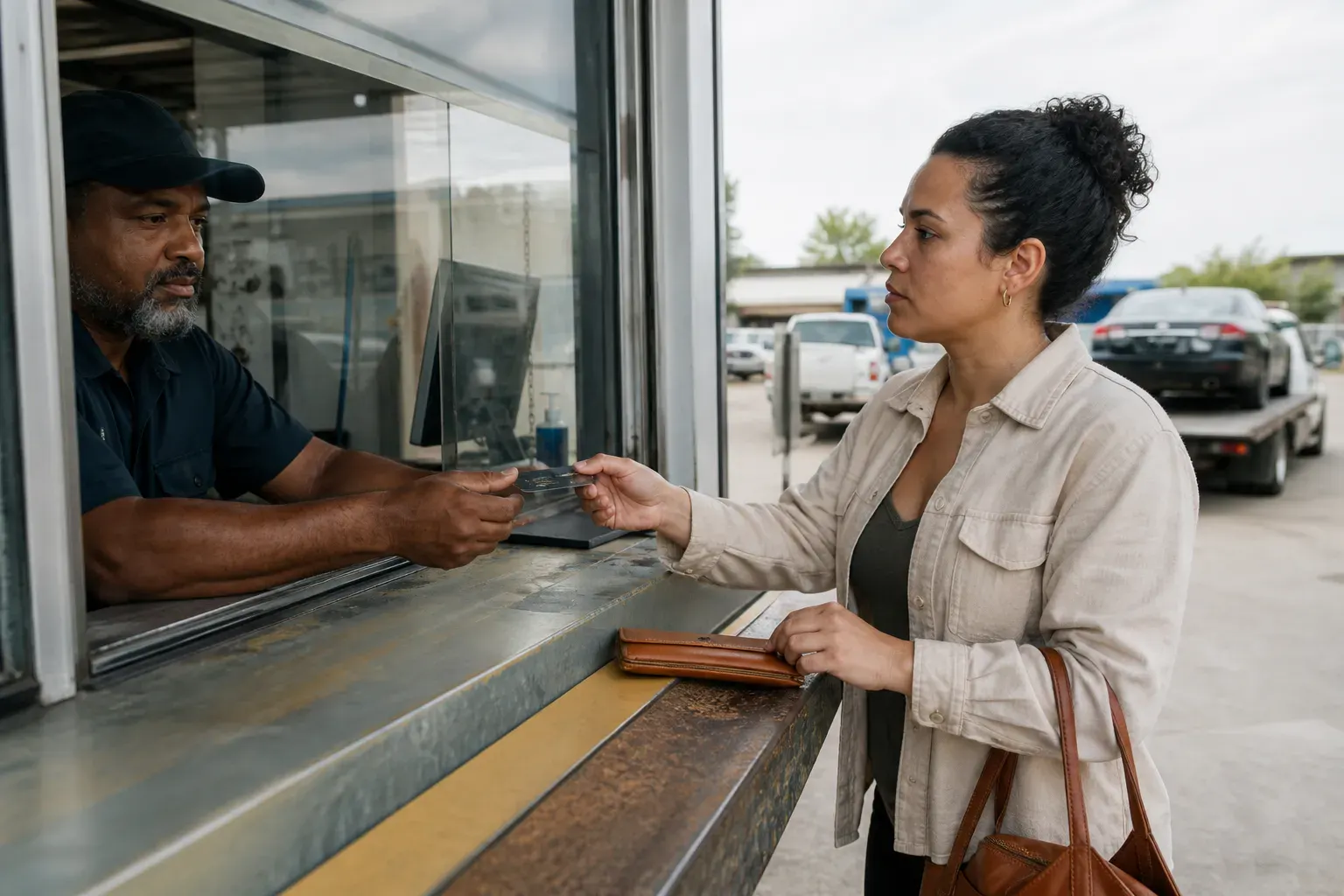
- Pay via Credit Card: Federal and state consumer protection statutes require towing yards to accept major credit and debit cards. Demanding “cash only” is an immediate red flag and illegal in most commercial jurisdictions. Paying via credit card allows you to initiate a Fair Credit Billing Act (FCBA) dispute if the company refuses to refund unlawful charges.
- Sign Under Protest: When signing the credit card receipt or release paperwork, write clearly next to your signature: “PAID UNDER PROTEST — TOW AND CHARGES DISPUTED.” This legally preserves your right to recover the funds in court.
- Conduct an Immediate Damage Walkaround: Inspect your bumpers, transmission, tires, and oil pan before driving off the lot. Tow operators frequently damage all-wheel-drive (AWD) transmissions by towing without dollies. Photograph any scrapes or fluid leaks while still on the impound premises.
Step 4: Deliver a Formal Certified Mail Pre-Suit Demand
Before filing small claims litigation, send the towing company and the property owner an official formal dispute notice via USPS Certified Mail with Return Receipt Requested. This puts the company on legal notice and satisfies the statutory prerequisite for treble damages in many states.
Formal Notice of Predatory Towing, Fee Protest & Drop Fee Refund Demand
Governing Legal Authority: State Towing Code & UCC § 2-715
Instructions: Send via USPS Certified Mail with Return Receipt Requested. Retain the stamped green card and postal receipt to establish an unassailable evidentiary record for administrative complaints or civil claims.
SENT VIA USPS CERTIFIED MAIL — RETURN RECEIPT REQUESTED
Certified Mail Tracking No.: [Insert 20-Digit USPS Tracking #]
To:
[Towing Company Legal Name]
[Registered Agent or Managing Director]
[Towing Company Physical Address]
[City, State, ZIP Code]
Copy To:
[Property Owner / Commercial Property Management Name]
[Address]
[City, State, ZIP]
RE: FORMAL DISPUTE OF UNLAWFUL NON-CONSENT TOW, PAYMENT UNDER PROTEST, AND STATUTORY REFUND DEMAND
Vehicle Information: [Year, Make, Model] | VIN: [17-Digit VIN] | License Plate: [Plate #, State]
Date of Seizure: [Date] | Tow Invoice / Receipt No.: [Receipt #] | Total Amount Paid: $[Amount]
To the Management of [Towing Company Name]:
This letter serves as formal statutory notice that the non-consent towing and impoundment of the above-referenced vehicle on [Date] from the property located at [Location / Address] was unlawful, non-compliant with state non-consent towing statutes, and conducted without legal authority.
On [Date], the undersigned vehicle owner paid the sum of $[Amount] under formal protest to mitigate damages and secure possession of the impounded vehicle.
FACTS ESTABLISHING UNLAWFUL SEIZURE:
1. Lack of Statutory Signage: The private property did not possess conspicuously posted, state-mandated warning signage meeting statutory dimensional, lettering, and illumination standards at each vehicular entrance.
2. Failure to Provide Written Authorization: Under state law, non-consent tows from private property require a contemporaneous, written, signed tow authorization slip from the property owner or designated agent for each individual vehicle. General predatory “patrol towing” agreements are prohibited by statute.
3. Unlawful Drop Fee Refusal / Excessive Charges: The charges assessed exceeded statutory maximum non-consent rates, included prohibited administrative surcharges, or failed to honor statutory “drop fee” release requirements while the vehicle was in the process of being hooked.
STATUTORY DEMAND:
Pursuant to [State Towing Statute / UCC § 2-715], demand is hereby made for a full refund of all unauthorized fees in the amount of $[Amount], payable via certified cashier’s check within ten (10) calendar days of receipt of this notice.
Should you fail to remit full refund within the specified statutory window, formal regulatory complaints will be lodged immediately with the [State Department of Licensing & Regulation / Public Utilities Commission], the Consumer Protection Division of the State Attorney General, and the local Police Department Commercial Vehicle Inspection Bureau. Additionally, civil proceedings will be initiated in Small Claims Court seeking statutory treble damages, civil penalties, and mandatory court costs.
Govern yourselves accordingly.
Sincerely,
____________________________________________
[Your Full Legal Name]
[Your Current Mailing Address]
[Your Telephone Number]
[Your Email Address]
⚖️ Facing Damages or Unreturned Funds Under $25,000?
Check your state small claims court dollar ceiling, statutes of limitations, and attorney representation rules.
Step 5: Post-Filing Follow-Up & Regulatory Sanctions
If the towing operator fails to issue a refund within the 10-day notice window, escalate across all regulatory vectors simultaneously:
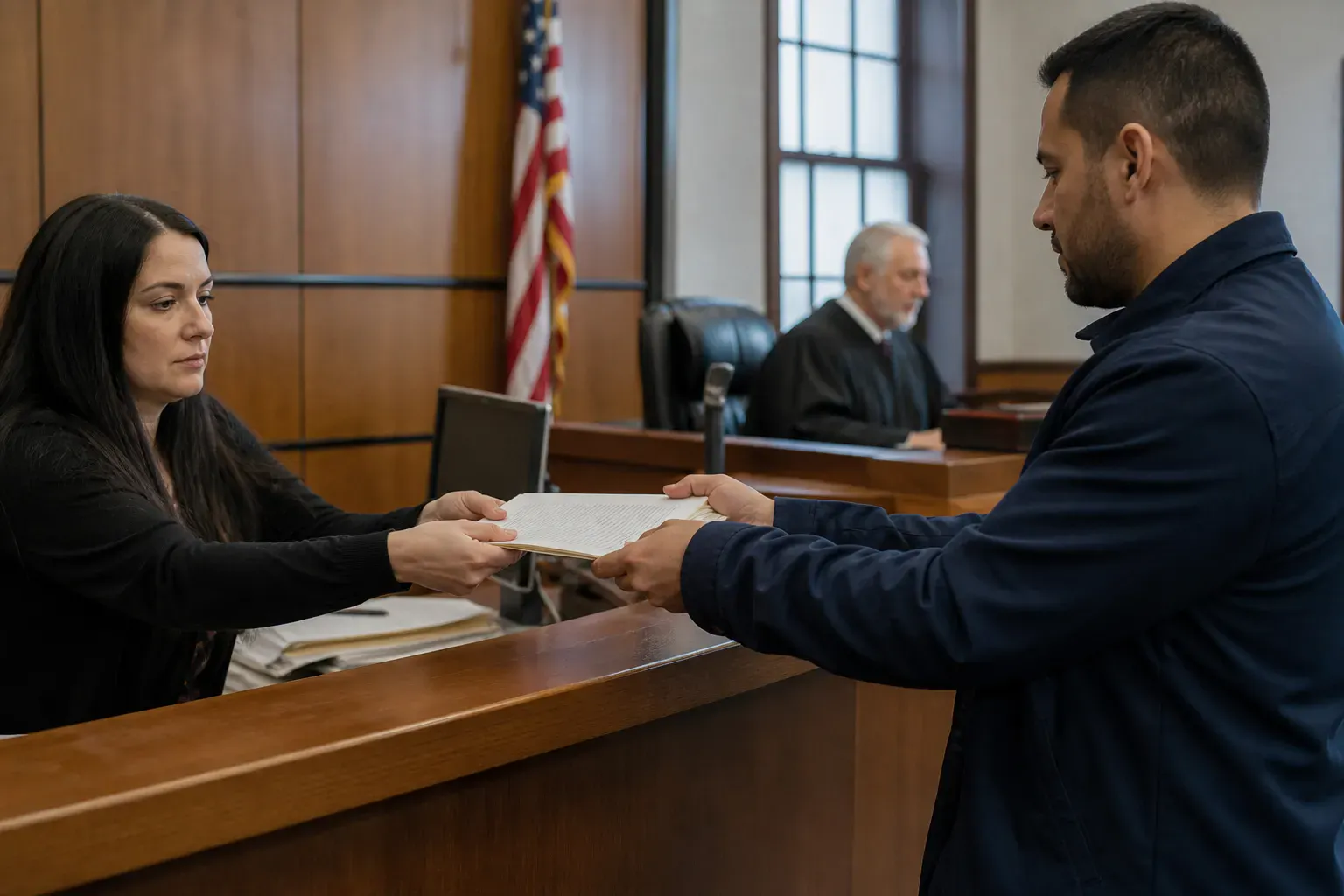
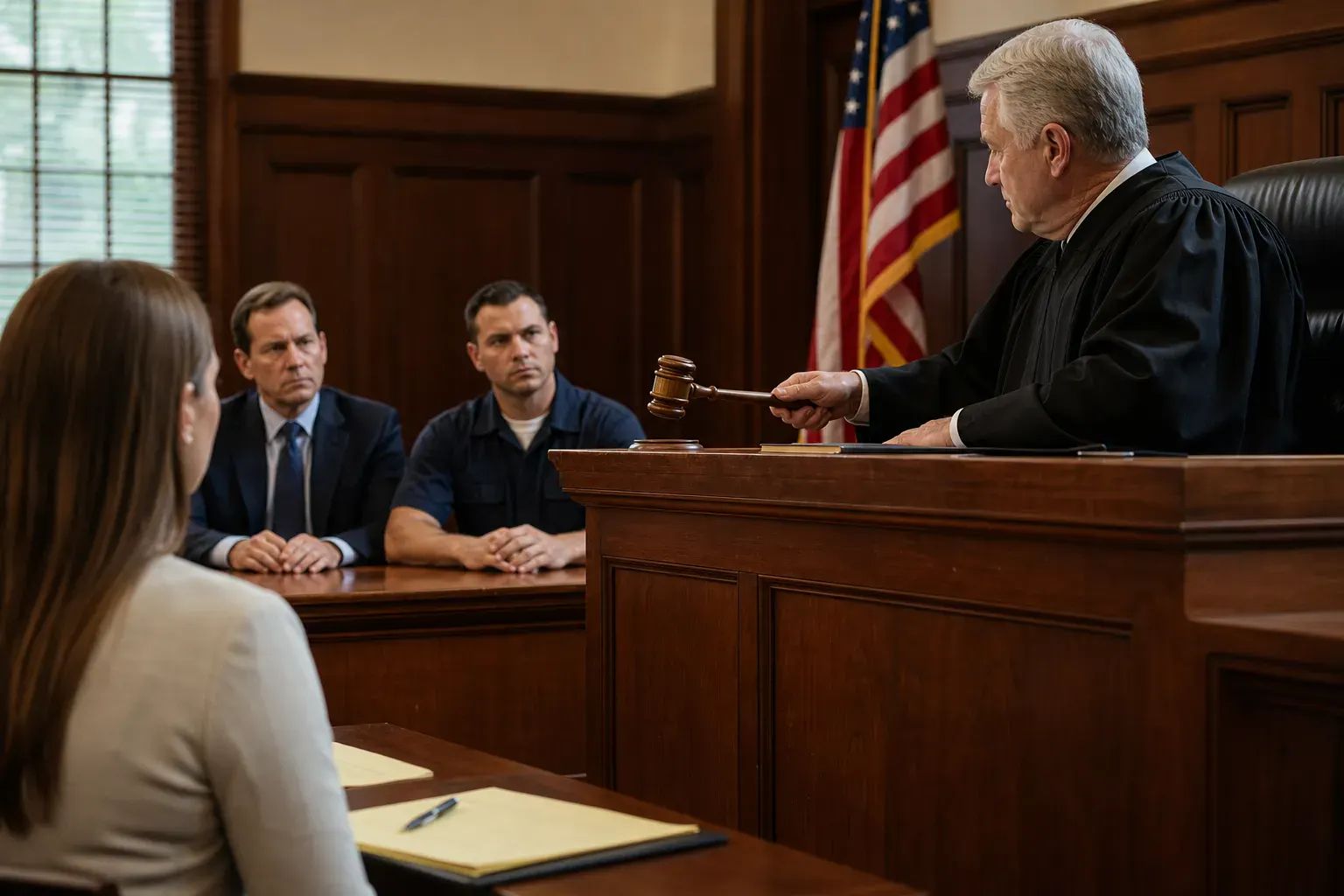
- Submit a Complaint to the City Tow Hearing Officer: Most major metropolitan areas provide an administrative Tow Hearing process through the municipal court. A hearing officer will review whether statutory authorization and signage existed; if unlawful, the court will issue an immediate civil order for full fee refund.
- File with the State Licensing Agency: Provide timestamped photos of missing signage and your itemized receipt. State regulatory boards track repeat offenders and can suspend commercial vehicle towing endorsements.
- File in Small Claims Court: Name both the towing company and the property owner as co-defendants. Under the doctrine of respondeat superior, property owners who hire predatory towing syndicates are jointly liable for illegal tows conducted on their property.
Predatory Towing Common Misconceptions
Private lot operators use deceptive citation invoices designed to impersonate city fines. Consult our consumer defense guide on How to Report Private Parking Lot Extortion & Predatory Citation Invoices.
To investigate dealer lot kickbacks, unauthorized vehicle impounds, and state DMV dealer licensing violations, consult our guide on How to Report Used Car Dealership Fraud.
Frequently Asked Questions
Can a towing company charge daily storage if their yard is closed?
No. In most states, if a vehicle owner attempts to retrieve their car during statutory business hours and the impound facility is locked, unstaffed, or refuses release, the towing company is legally prohibited from assessing storage fees for that day.
Can a towing company keep my personal property inside the car?
Never. Your personal belongings inside the vehicle (phones, laptops, child safety seats, medications, tools) are not subject to a towing lien. Under state and federal law, tow operators must permit you to retrieve essential personal property without paying the tow fee, even if the vehicle remains impounded.
Who is liable if the tow truck damages my all-wheel-drive (AWD) vehicle?
The towing company is strictly liable for negligent towing practices. Towing an AWD or 4WD vehicle with two wheels on the ground destroys the transfer case and transmission. If you documented the damage on the lot, obtain a certified repair diagnostic from an authorized dealership and include it in your formal demand.
What happens if the property owner authorized the tow by mistake?
If the property owner (e.g., apartment manager) called the tow mistakenly when you had an active resident parking permit, both the property management company and the towing company are jointly and severally liable for all incurred costs, transportation expenses, and statutory damages.
Official Regulatory Authorities & Governing Statutes
- Federal Motor Carrier Safety Administration (FMCSA) Consumer Protection
- Consumer Financial Protection Bureau (CFPB) Commercial Practices
- Uniform Commercial Code (UCC) § 2-715 (Incidental and Consequential Damages for Unlawful Conversion)
- State Public Utility Commissions & Municipal Commercial Towing Enforcement Divisions
Before You Go: Citizen Protection Protocol
Protecting yourself against unlawful practices requires swift action, methodical documentation, and strict adherence to statutory deadlines. Preserve all original agreements, maintain contemporaneous call notes, and send formal correspondence via certified mail with return receipt requested.
HowToReport.org is an independent educational site — not a government agency. We link to official .gov and .org sources, but we cannot file a complaint for you or give legal advice. Read our full Legal Disclaimer & Safe Harbor →
Damages Under ,000? Check Your State Small Claims Limit
If administrative complaints fail to recover your financial losses, you can sue in local small claims court without expensive attorney fees. Select your state below for instant dollar limits and statutory deadlines:
Related Statutory Reporting Guides & Citizen Protections
Official step-by-step reporting protocols in this regulatory category.
What happens next
- Most agencies send an acknowledgment or reference number — save it with your copies.
- Investigations vary by agency; complex cases can take weeks or months.
- If you do not hear back within the timeframe listed on the agency site, follow up in writing.
- Keep reporting to additional agencies if your issue crosses categories (for example, fraud plus billing).
2 thoughts on “How to Report Predatory Towing: Fight Illegal Tows”