
⚡ Quick Answer: How to Report Disability Fraud
- Immediate Action & Tip Hotline: Submit an anonymous tip to the Social Security Administration Office of the Inspector General (SSA-OIG) online at
oig.ssa.gov/reportor call 1-800-269-0271. - Primary Regulatory Agencies: SSA Office of the Inspector General (SSA-OIG), Cooperative Disability Investigations (CDI) Units, and the U.S. Department of Justice (DOJ).
- Statutory & Legal Remedies: Benefit termination, mandatory restitution orders under 42 U.S.C. § 1320a-8, civil monetary penalties exceeding $10,000 per false statement, and criminal prosecution under 18 U.S.C. § 1001.
How Do I Report Disability Fraud?
You can report Social Security disability fraud directly to the Social Security Administration (SSA) Office of the Inspector General (OIG). Submit your allegation through their online fraud reporting form or call their dedicated hotline. Provide detailed information about the individual concealing work activity or faking their medical condition.
- Gather Evidence: Document the suspect’s full name, address, Social Security number, and specific details about their unreported work or activities.
- File Your Report: Use the SSA OIG online fraud reporting portal or call the fraud hotline to submit your tip.
- Follow Up: Retain your report reference number, though federal privacy laws prevent the SSA from sharing investigation updates.
Disability fraud compromises critical federal safety nets designed to assist individuals with severe, legitimate medical impairments. The Social Security Administration (SSA) oversees two primary disability programs: Social Security Disability Insurance (SSDI) and Supplemental Security Income (SSI). Reporting suspected disability fraud—such as concealing substantial employment income, fabricating medical symptoms, or misusing representative payee funds—preserves federal trust funds. The SSA Office of the Inspector General (SSA-OIG) investigates allegations through specialized federal units with full law enforcement authority.

Not all work activity by disability recipients constitutes fraud. Under federal rules, the SSA permits recipients to test their ability to work through the Ticket to Work program and Trial Work Periods (TWP). Fraud requires the intentional concealment of work, undisclosed cash earnings, or deliberate misrepresentation of functional capacity to illegally obtain government benefits.
Common Types of Disability Fraud & Legal Definitions
Section 1129 of the Social Security Act (42 U.S.C. § 1320a-8) establishes civil monetary penalties for making false statements or representations of material facts in determining benefit eligibility. Federal investigators classify fraud into several distinct categories:
Disability Fraud Schemes & Violation Thresholds
Working “under the table,” operating cash-only businesses, or funneling earnings through family member bank accounts while claiming total disability.
Feigning physical immobility or psychiatric impairment during medical evaluations while engaging in rigorous physical labor, sports, or travel.
Fiduciaries who embezzle a beneficiary’s monthly disability payments for personal use while failing to provide necessary food, shelter, or medical care.
Failing to notify the SSA of a beneficiary’s death and continuing to withdraw electronic direct deposit funds from bank accounts.
Where to Report: Agency Jurisdictions & CDI Investigation Units
The primary agency responsible for investigating disability fraud is the SSA Office of the Inspector General. In joint partnership with state disability agencies and local law enforcement, the SSA deploys specialized **Cooperative Disability Investigations (CDI)** units across all 50 states:
Federal Disability Enforcement Jurisdiction Matrix
SSA-OIG Fraud Hotline
Centralized intake for all citizen and employee tips regarding SSDI, SSI, and representative payee fraud nationwide.
SSA-OIG Online Portal →Cooperative Disability Investigations
CDI units conduct covert surveillance, interview employers, and gather objective physical evidence before benefits are wrongfully awarded.
State & Federal Joint UnitsU.S. Attorney’s Office (DOJ)
Special Assistant U.S. Attorneys prosecute large-scale fraud rings, corrupt medical facilitators, and criminal benefit theft in federal court.
Federal Prosecution Directory →Step-by-Step Guide to Filing a Disability Fraud Tip
Step 1: Gathering Concrete, Factual Identifying Evidence
To ensure federal investigators act upon your report, provide specific, objective facts rather than vague suspicions. Gather the following information prior to submitting your tip:
- Full legal name, date of birth, and physical residence address of the individual.
- Social Security Number (SSN) if lawfully known, or known aliases and previous addresses.
- Specific details regarding physical activities performed inconsistent with their claimed disability (e.g., operating machinery, heavy lifting, roofing, athletic participation).
- Employer name, business address, and nature of work performed if the person is working while receiving payments.
- Vehicle make, model, license plate number, and daily routine schedules.

Step 2: Submitting Your Report via the SSA-OIG Electronic Portal
The fastest and most secure method to submit an allegation is through the official SSA-OIG fraud portal:
- Visit
oig.ssa.gov/reporton a private, personal device. - Select whether you wish to report Anonymously, Confidentially (where the OIG knows your name but will not reveal it publicly), or with full disclosure.
- Select the violation category: “Social Security Disability Insurance” or “Supplemental Security Income”.
- Enter the suspect’s identifying details, employer information, and factual narrative.
- Upload any objective public documentation (such as public social media business advertisements or business cards). Note: Never attempt to illegally record private conversations or trespass.
- Submit the tip and save the generated OIG Confirmation Reference Number.
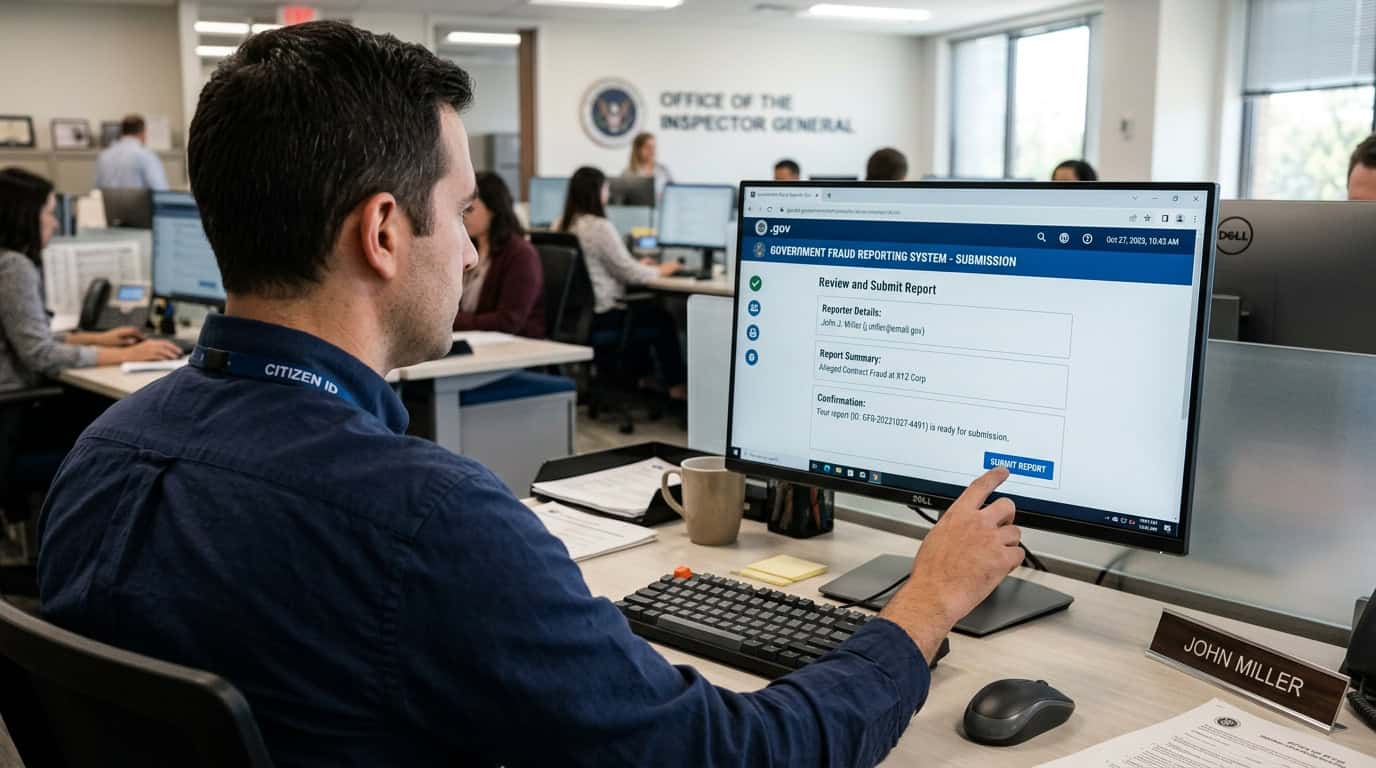
Step 3: What Happens After You File (The CDI Investigation Process)
Once received, SSA-OIG intake analysts review the allegation. If credible, the case is assigned to a local Cooperative Disability Investigations (CDI) unit. CDI investigators conduct background checks, subpoena bank and tax records, interview third-party witnesses, and perform physical surveillance. If fraud is substantiated, the unit prepares a formal Report of Investigation (ROI) forwarded to Disability Determination Services (DDS) to cease payments and to the U.S. Attorney’s Office for criminal indictment.

Step 4: Whistleblower Protections & Anonymity Guarantees
Under the Inspector General Act of 1978, the SSA-OIG is prohibited from disclosing the identity of an individual who submits a confidential complaint without consent, unless necessary during subsequent criminal proceedings. If you are an employee reporting corporate disability fraud or medical provider billing rings, you are protected from employer retaliation under the federal False Claims Act (31 U.S.C. § 3730(h)).
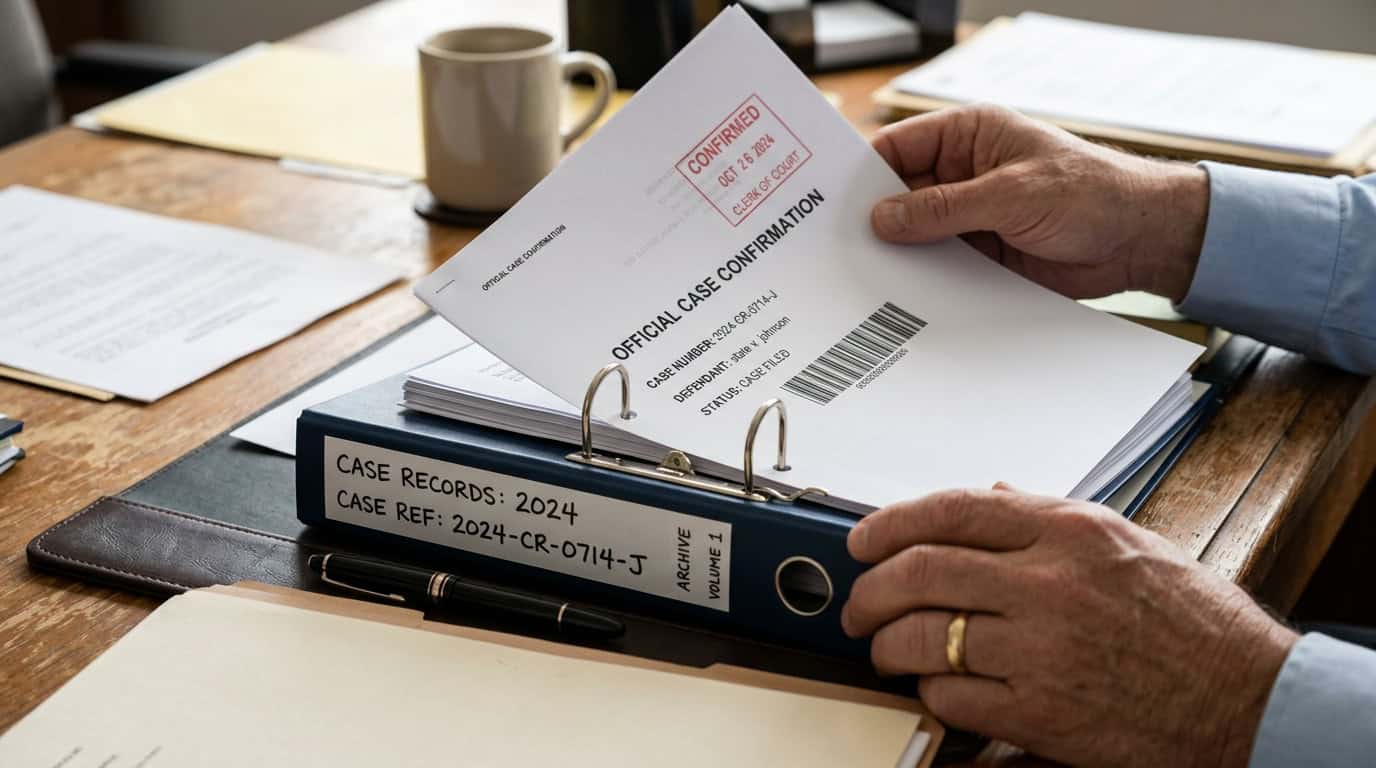
Step 5: Documenting Case Confirmation & Tracking
Due to the Privacy Act (5 U.S.C. § 552a), federal investigators cannot disclose the ongoing status or specific investigative findings of another individual’s file to the reporting citizen. However, your confirmation tracking number verifies that federal intake occurred and establishes the official record of your submission.
Disability Fraud Investigation Escalation Roadmap
Understanding how federal agencies evaluate and prosecute disability fraud helps citizens provide actionable, high-quality tips. This visual roadmap tracks the intake pipeline:
4-Stage Disability Fraud Investigation Roadmap
OIG Triage & Review
Allegations submitted via oig.ssa.gov are screened by federal analysts for factual credibility and jurisdictional scope.
Field Surveillance
Cooperative Disability Investigations units perform physical surveillance, interview employers, and obtain bank records.
Benefit Termination
SSA issues formal notice of cessation, calculates overpayments, and imposes Section 1129 civil monetary penalties.
Criminal Indictment
DOJ prosecutes severe fraud rings under 18 U.S.C. § 1001, seeking mandatory court-ordered restitution and prison sentences.
Formal Allegation Disclosure & Benefits Integrity Memorandum Template
If you prefer to submit your report in writing by mail to the Social Security Administration Fraud Hotline, use this structured allegation format. Send via USPS Certified Mail with Return Receipt Requested:
Common Myths vs. Legal Realities in Disability Fraud Reporting
Disability Benefits: Legal Realities vs. Misconceptions
Reality: Disability eligibility is based on the inability to engage in Substantial Gainful Activity (SGA), not complete bed rest. Many beneficiaries can drive, perform light personal chores, or have episodic impairments (like multiple sclerosis) with good days and bad days.
Reality: The SSA-OIG maintains strict statutory confidentiality. You can submit reports completely anonymously, and the agency never discloses who initiated a fraud inquiry.
Reality: Federal courts impose mandatory restitution orders requiring 100% repayment of fraudulent benefits, in addition to civil monetary penalties up to $10,000+ per fraudulent statement under Section 1129.
Reality: Under federal law, healthcare providers, lawyers, or facilitators who knowingly falsify medical evidence for disability claims face severe felony indictments and immediate professional license revocation.
Frequently Asked Questions
What is the monthly earnings limit for disability recipients?
In 2026, the SSA Substantial Gainful Activity (SGA) threshold is $1,620 per month for non-blind individuals ($2,700 for blind individuals). Earning over this limit can trigger benefit termination, unless the individual is operating within an approved Ticket to Work trial period.
Can I receive a financial reward for reporting disability fraud?
Routine citizen tips submitted to the SSA-OIG hotline do not offer direct monetary bounties. However, if you possess original insider evidence of systemic corporate or healthcare provider fraud against the government, you may be eligible to file a qui tam whistleblower lawsuit under the federal False Claims Act, which offers 15% to 30% of recovered funds.
Will the SSA tell me the outcome of the investigation?
No. Under the federal Privacy Act (5 U.S.C. § 552a), the SSA is legally barred from releasing the outcome, disciplinary measures, or private medical details of any individual to the general public. You will receive an official confirmation receipt that your report was entered into the federal system.
What happens if an innocent person is reported mistakenly?
CDI units do not terminate benefits based on an unverified tip alone. Investigators verify facts independently through payroll databases, tax records, and medical files. If the individual is legitimately disabled and within program rules, the investigation is closed without impact on their benefits.
Official Benefits Integrity Portals & Statutory Citations
- SSA Office of the Inspector General: Official Online Fraud Reporting Portal (Hotline: 1-800-269-0271)
- Social Security Act Section 1129: 42 U.S.C. § 1320a-8 • Civil Monetary Penalties
- Cooperative Disability Investigations Program: CDI Unit Overview & Field Operations
- Federal False Claims Act: 31 U.S.C. § 3729 et seq. • DOJ Civil Fraud Division
HowToReport.org is an independent educational site — not a government agency. We link to official .gov and .org sources, but we cannot file a complaint for you or give legal advice. Read our full Legal Disclaimer & Safe Harbor →
Related Statutory Reporting Guides & Citizen Protections
Official step-by-step reporting protocols in this regulatory category.



Official sources
Use these official channels for your complaint — verify details on the agency site before you submit.
- SSA Office of Inspector General — 1-800-269-0271 (Online 24/7 | Phone Mon-Fri 10am-4pm ET)
- Official reporting portal
What happens next
- Most agencies send an acknowledgment or reference number — save it with your copies.
- Investigations vary by agency; complex cases can take weeks or months.
- If you do not hear back within the timeframe listed on the agency site, follow up in writing.
- Keep reporting to additional agencies if your issue crosses categories (for example, fraud plus billing).